Artwork
Artist

Untitled

1963
Oil on wooden panel
18 x 23 cm
Winsing Arts Collection
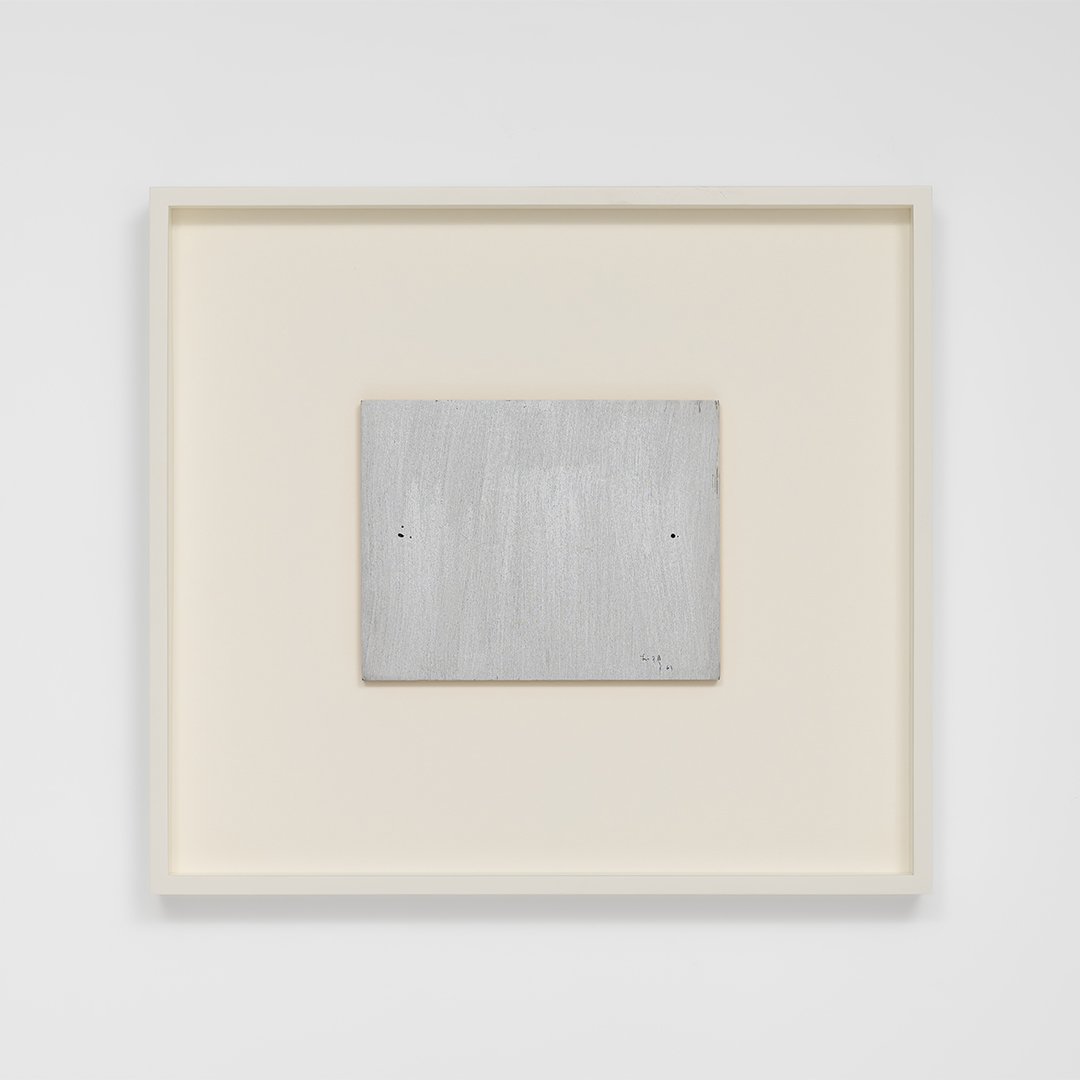
Courtesy of Winsing Arts Foundation. Photo © ANPIS FOTO

Untitled

1963
Oil on wooden panel
18 x 23 cm
Winsing Arts Collection

Bologna Period

By the early 1960s, Li Yuan-chia had shaped a highly minimal abstract language, often leaving only tiny specks—like stains or seeds—on vast white paper. These ‘points’ were both traces of action and abstract concepts, carrying the philosophy of ‘all and nothing.’ He experimented with folding-book formats, integrating the picture frame into geometric composition, and used black, red, gold, and white as his primary palette, symbolizing ‘beginning and end, blood and life, nobility, and purity.’ In 1961, Li moved to Italy, becoming a founding member of the European avant-garde movement Punto. After a brief stay in Milan, he settled in Bologna, living in a space offered by designer Dino Gavina’s furniture factory. The change of environment led him to create shallow reliefs with industrial materials.
Read more
Read less
No items found.
Artist Biography
Li Yuan Chia
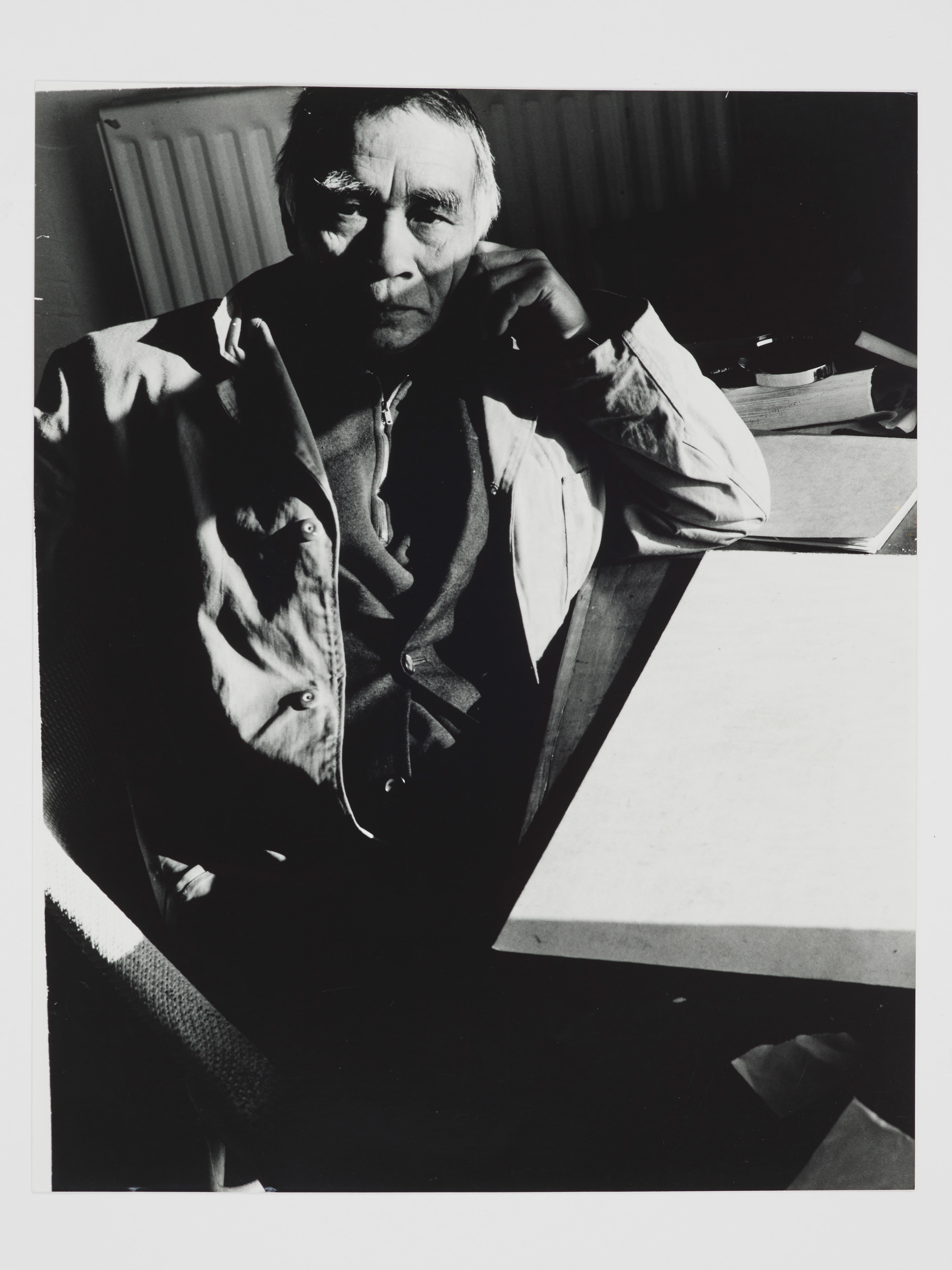
Born in Guangxi in 1929, Li Yuan Chia moved to Taiwan after the war, entered the art department of Taipei Normal School. He was one of the founding members of the Oriental Painting Society, inspired by modern art ideas. Moving to Italy in 1961, he joined the European vanguard art movement Punto, where his work moved towards minimalism, conceptualization, and developed the core theme of his creative career, “Point”. Moving to London in 1967, he held several exhibitions with the Leeson Gallery, proposing the concept of Toyart, and became one of the earliest pioneers in the UK to practice participatory art and composite works. Moving to Cambria, Northern England in 1969, he independently expanded the farmhouse into the LYC Museum and Art Gallery, which from 1972 to 1982 hosted more than 200 exhibitions and became an important modern art hub in Northern England. His work spans calligraphy, painting, light relief, interactive installations, tapestries and photographic prints. At its core, “Dots” forms a unique artistic language that combines oriental spirit and cosmic imagery.
ARTIST PAGE