.webp)
Architecture Salon| A Lifelong Invitation – On Fieldoffice Architects' Works and Book Launch
Speaker
Shen-Yuan Huang Master Architect, Fieldoffice Architects
Chun-Hsiung Wang Chair, Department of Architecture, Shih Chien University/ Chief Editor, Fieldoffice Incomplete Works, 1994-
Wei-Hsiung Chan Cultural Criic
Introduction
Hsuan-Jen Ma Media Veteran
Location
DH Café (No. 153, Section 3, Zhongshan North Road, Zhongshan District, Taipei City)
Fee
$200 (discount on purchase of books or drinks)
Event Content
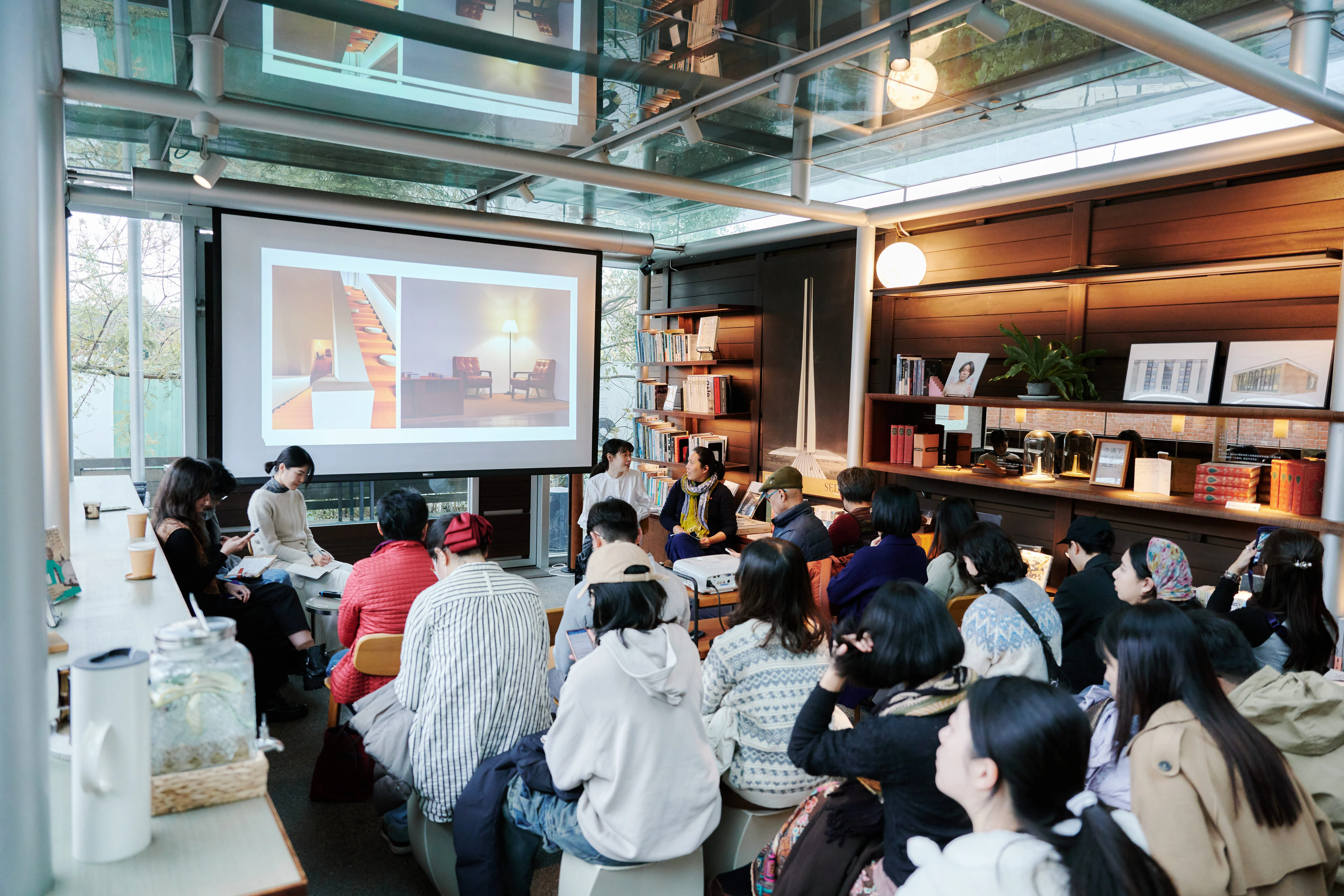
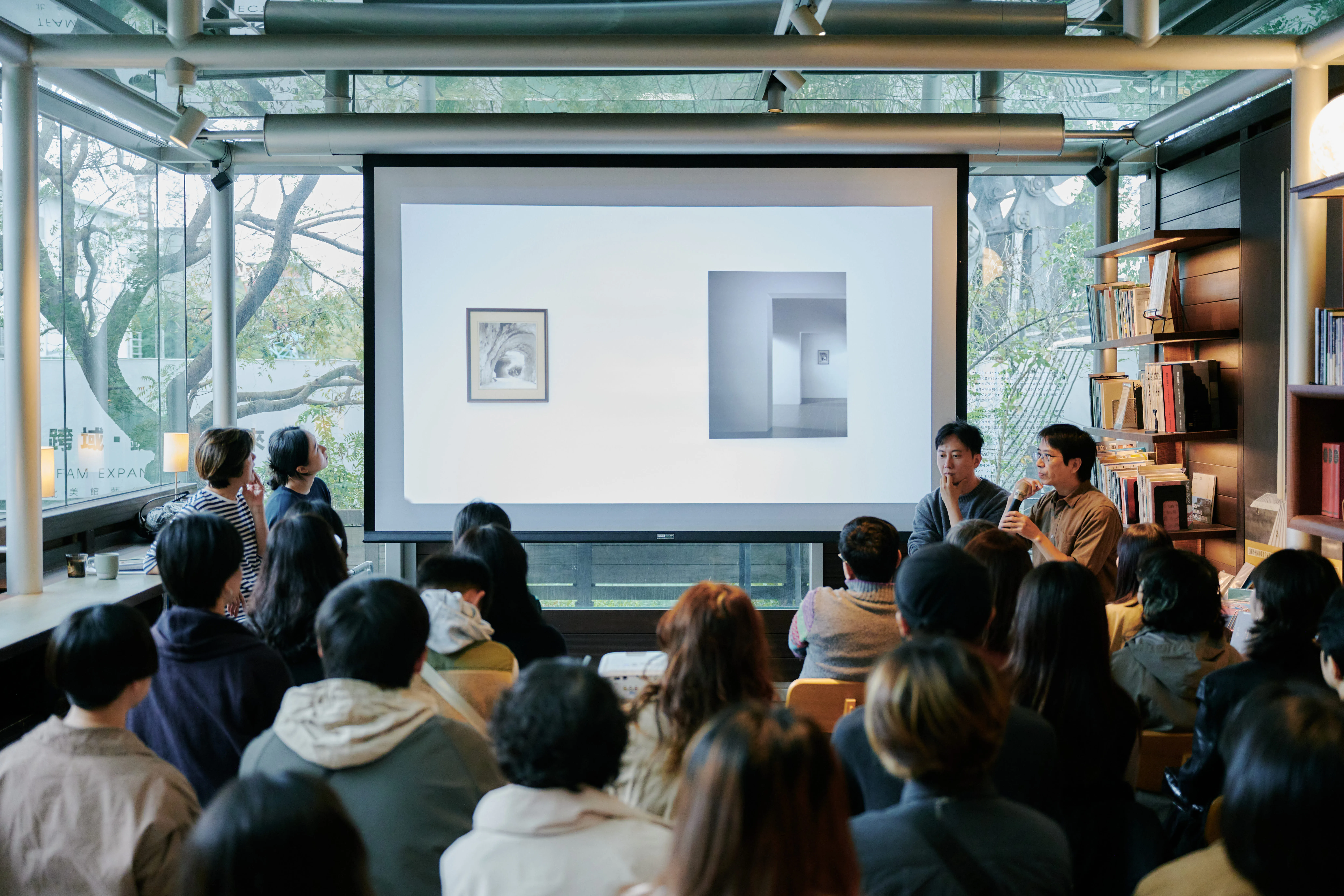
The fourth book launch event for Fieldoffice: Incomplete Works, 1994- was held at DH Café. Hosted by Hsuan-Jen Ma, the discussion featured Chun-Hsiung Wang, Shen-Yuan Huang, and Wei-Hsiung Chan, who explored Fieldoffice Architects and its unique, outstanding works. This group of architects chose to settle long-term in Yilan for both living and working, embodying dual roles as residents and professionals. Over two decades, they have cultivated an expansive network of public architecture—from small footpaths to grand bridges—offering richer imaginative possibilities for future spatial opportunities. Beginning with a single architect, Shen-Yuan Huang, Fieldoffice Architects has evolved into a collective of over a hundred partners across generations, persistently exploring the connections between Taiwan's land and its people through architecture and seeking the essence of authentic living.
.webp)
_.webp)
.webp)
_.webp)
.webp)