BOOKTALKS|Artists’ Books Series — Sol LeWitt
Speaker
Yin-Chin Tsai Art Book Researcher and Independent Curator
Location
Winsing Art Place (No. 6, Lane 10, Lane 180, Section 6, Section 6, Minquan East Road, Neihu District, Taipei City)
Fee
$500 (including bookstore entrance fee and a cup of Pour-over coffee)
Introduction
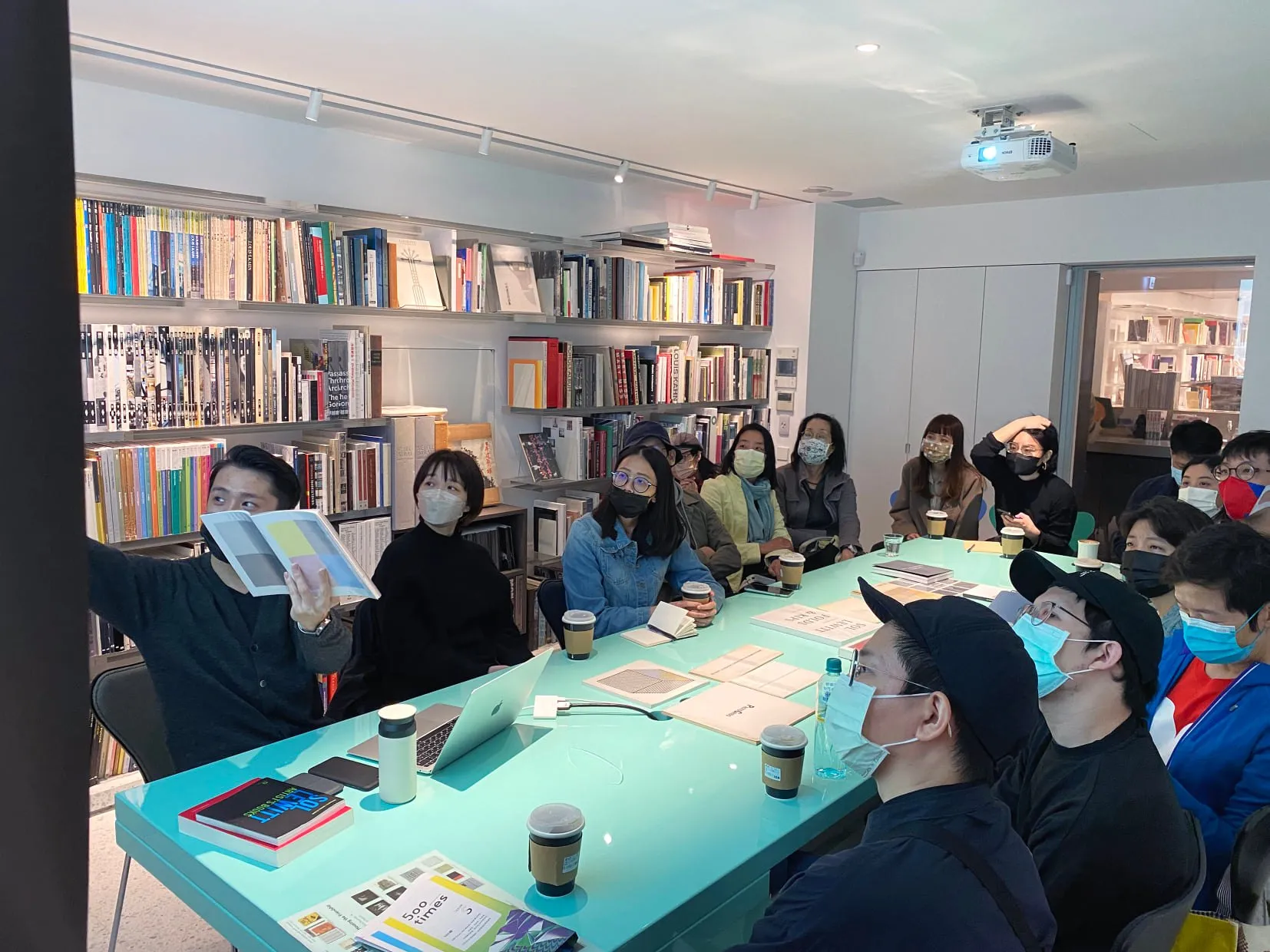
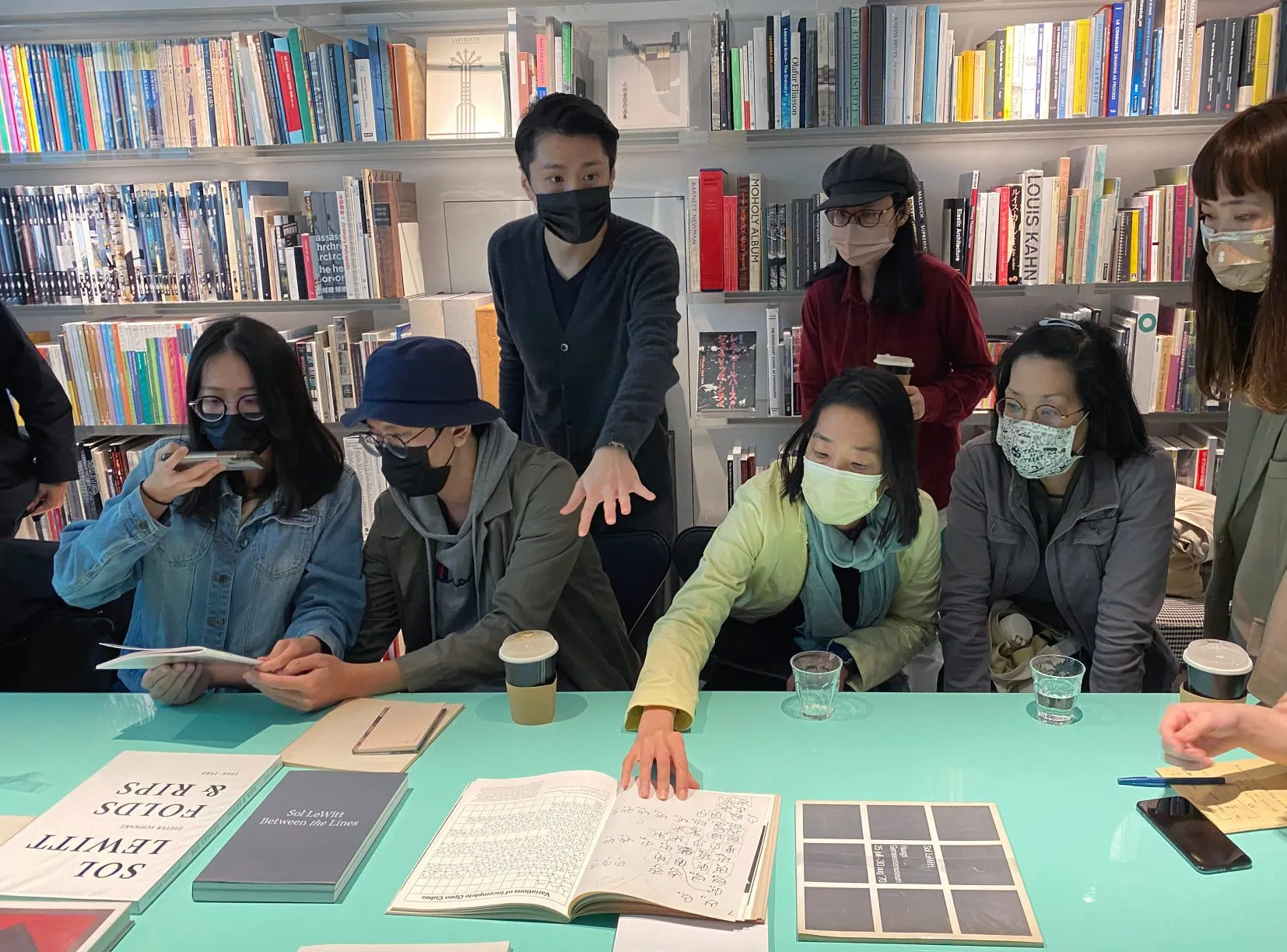
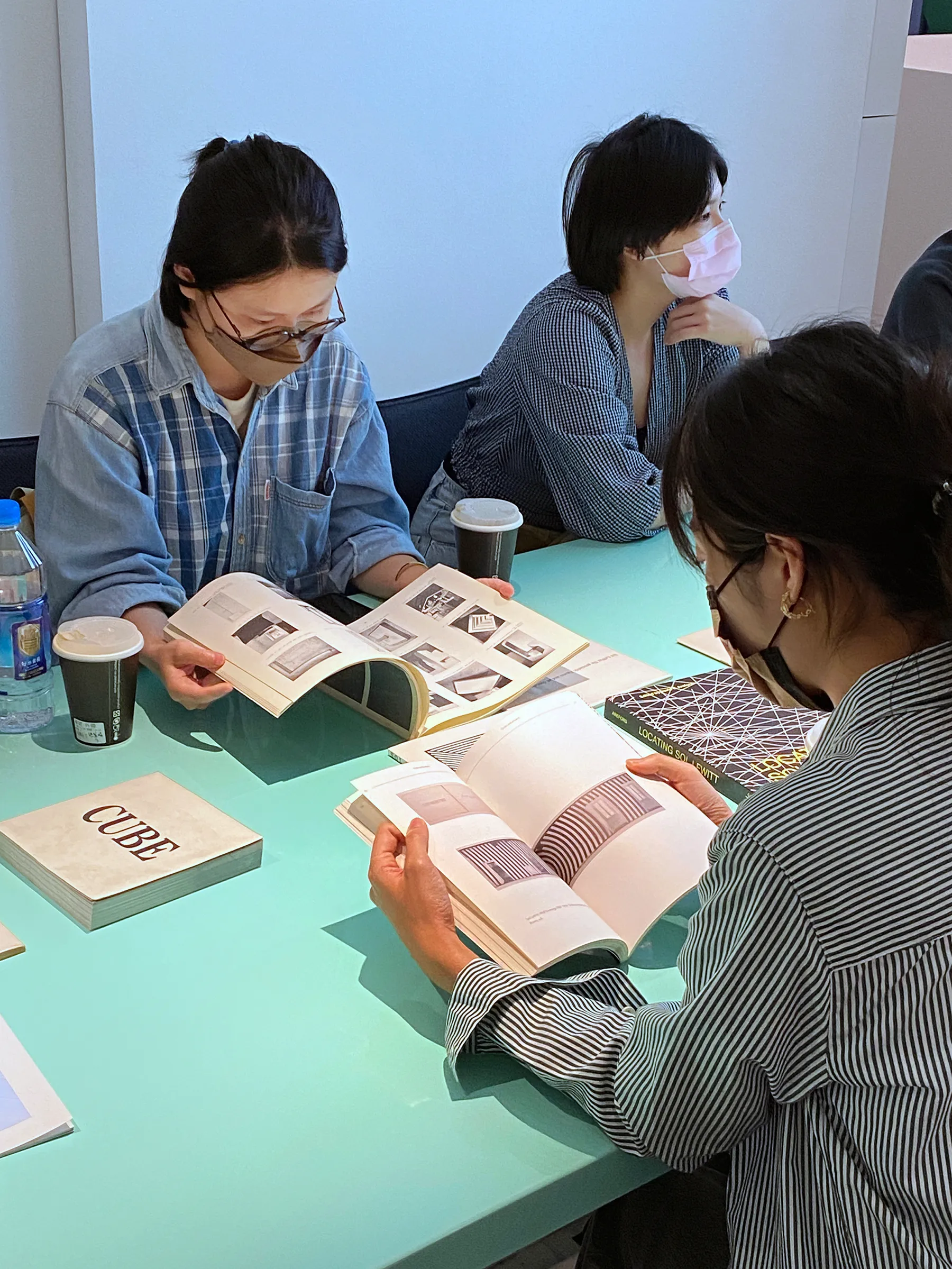
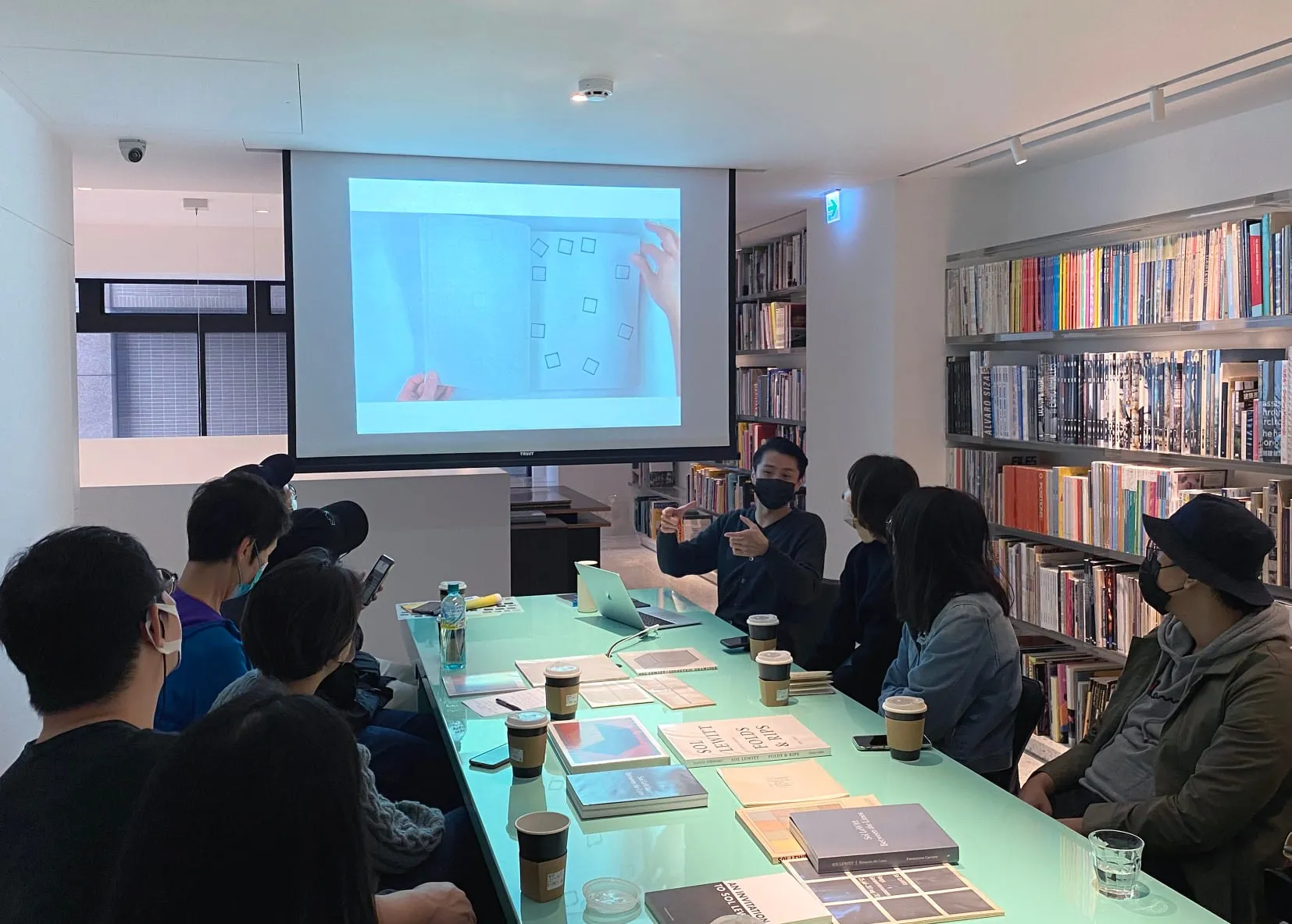
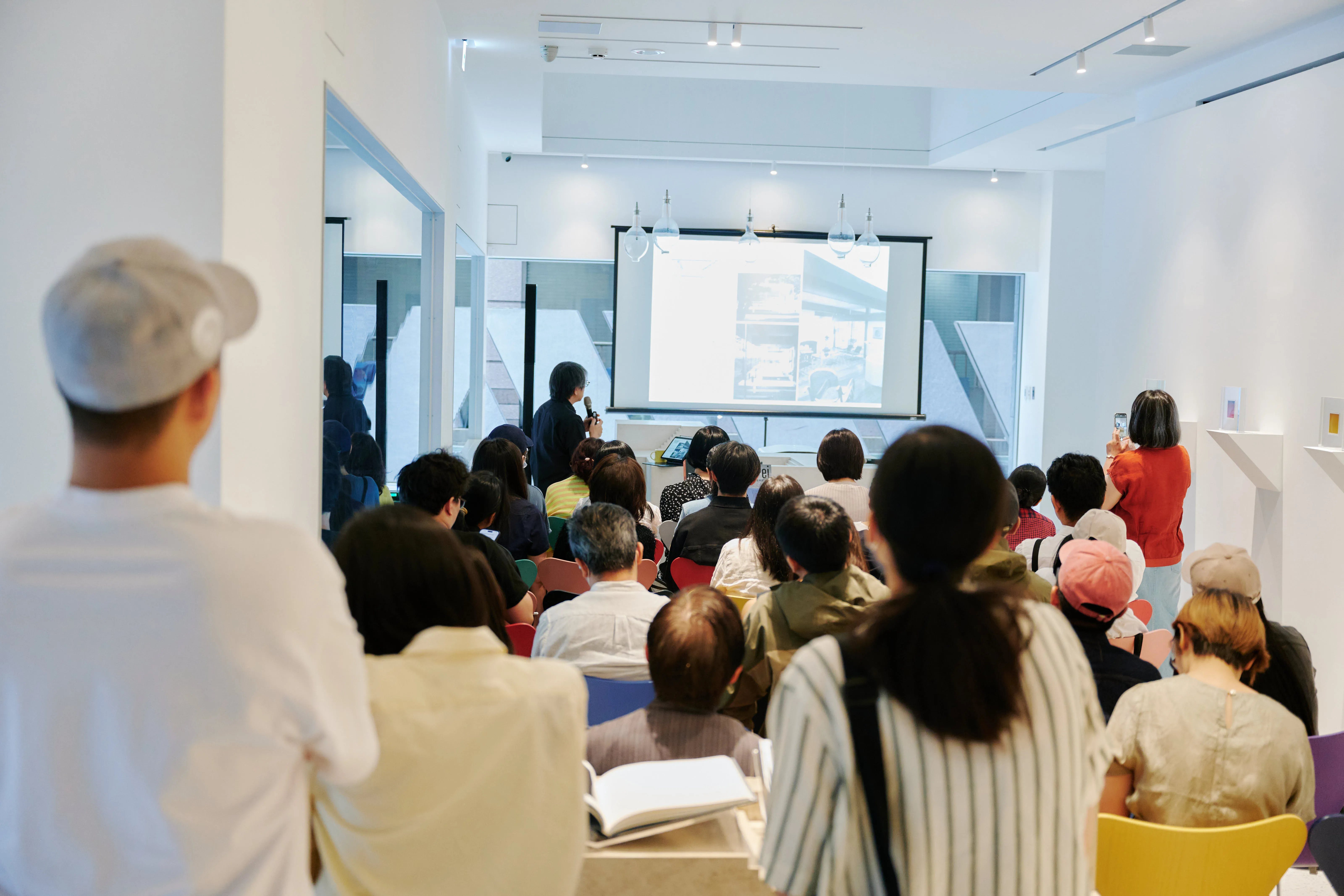
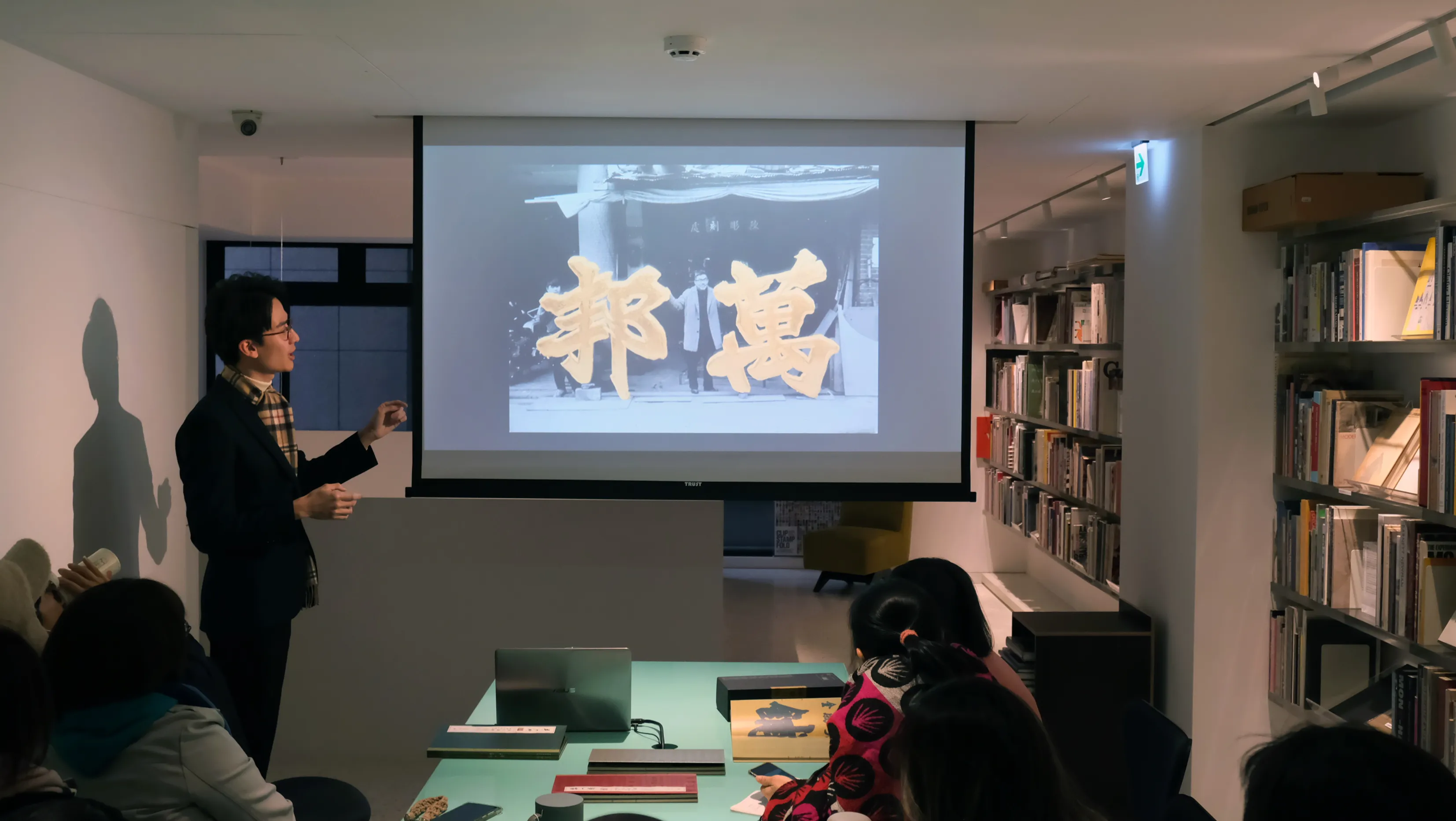
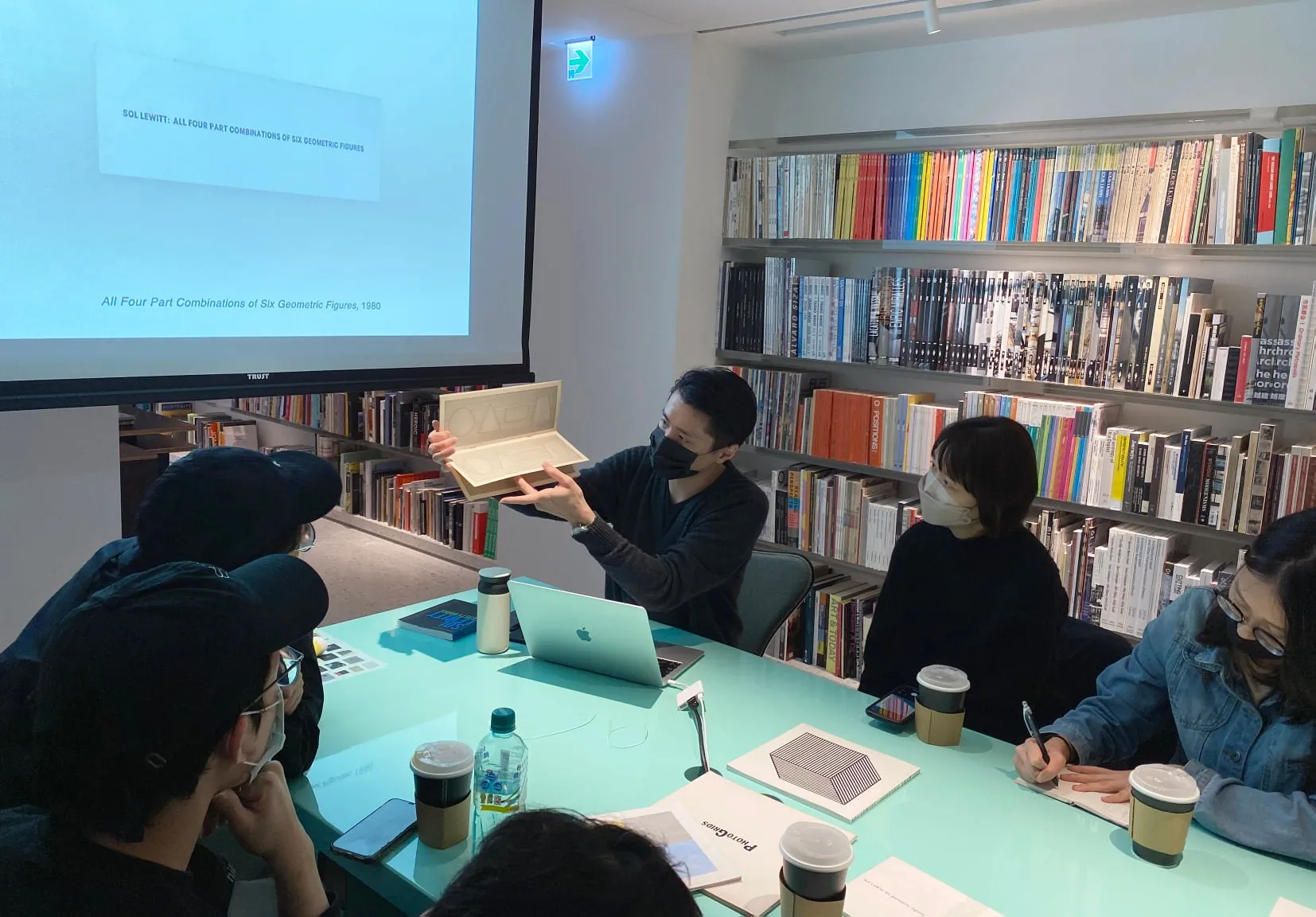
The Art Place Salon invites Yin-Chin Tsai, founder of PAPER MATTER, to serve as its annual book curator and collaborates on the “Artists’ Books Series,” a lecture program featuring works from the Winsing Art Space collection. The lecture series centers on in-depth discussions of individual artists whose works explore spatiality through artists’ books, spanning pioneers from the 1960s and 1970s to contemporary artists who continue to practice through publishing. Through hands-on examination and content analysis of artists’ books—considered both a medium and media—the lecture series will analyze how their physical structure and generative logic function as mutually complementing elements or nodes within creative projects. In essence, the lecture series asks: Why do artists make books? How do their concepts flow through these works, making them, as theorist/curator Lucy Lippard posited, the optimal materials for reaching the public?
“To recreate art, to start from square one.”—Sol LeWitt
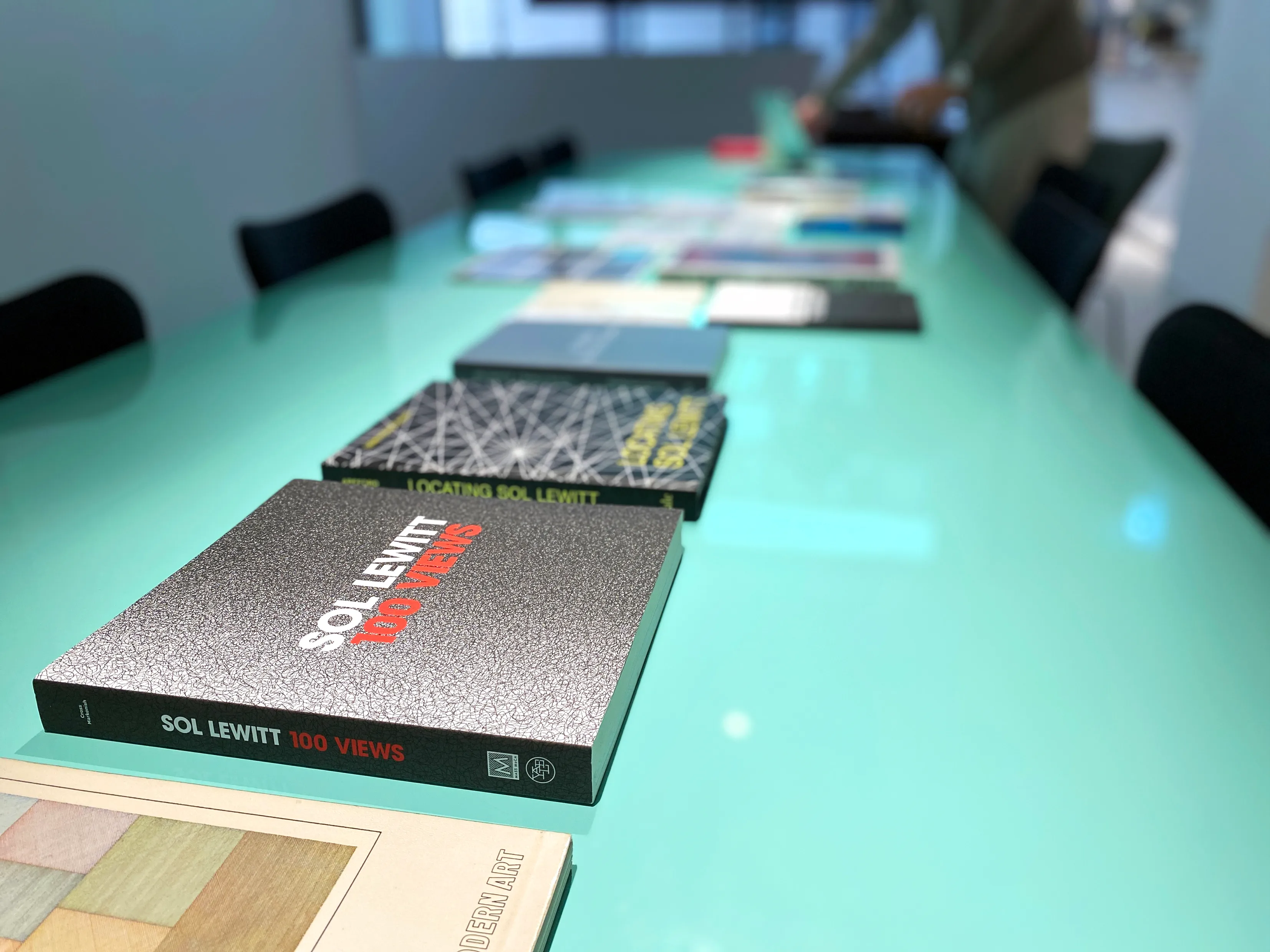
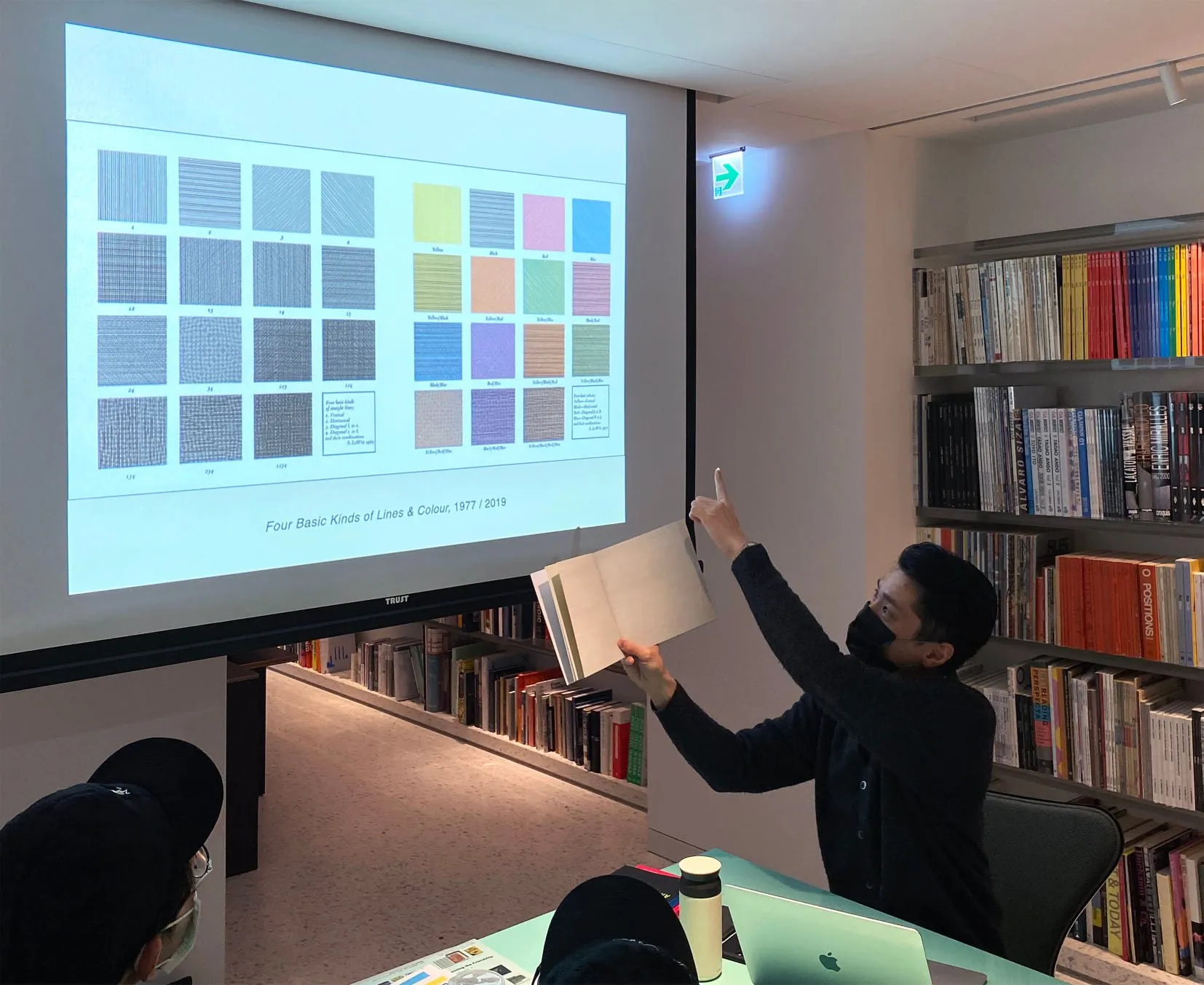
This lecture focuses on American artist Sol LeWitt (1928–2007), a pioneer in artists’ books who once wrote: “Books are the best creative medium for contemporary artists.” Meanwhile, he co-founded Printed Matter in New York (1976), making him a key figure both in practice and promotion. From 1962 until 2002, he continued making books right up until the years before his death. For him, books serve as a conceptual site where his ideas of “visual communication” and “spatial layout” are developed, thereby establishing a personal theory of visual symbols. Ultimately, he became a pivotal figure in defining the category of artist's’ books.
For many artists, books may serve as a secondary medium or preparatory groundwork for exploring more complex and challenging projects. For LeWitt, however, books transcended these roles, becoming crucial to understanding his entire artistic career. Each book’'s conception, design, and publication represent a distinct phase in his artistic life, offering a clear and systematic interpretation of his artistic methodology and meaning. He dedicated himself to extending his concepts through books. It is hoped that this lecture, which explores Levitt’s bookmaking practice and anchors his ideas, will enable a reflective gaze on the contemporary possibilities of artists’ books and their agency as an artistic practice.