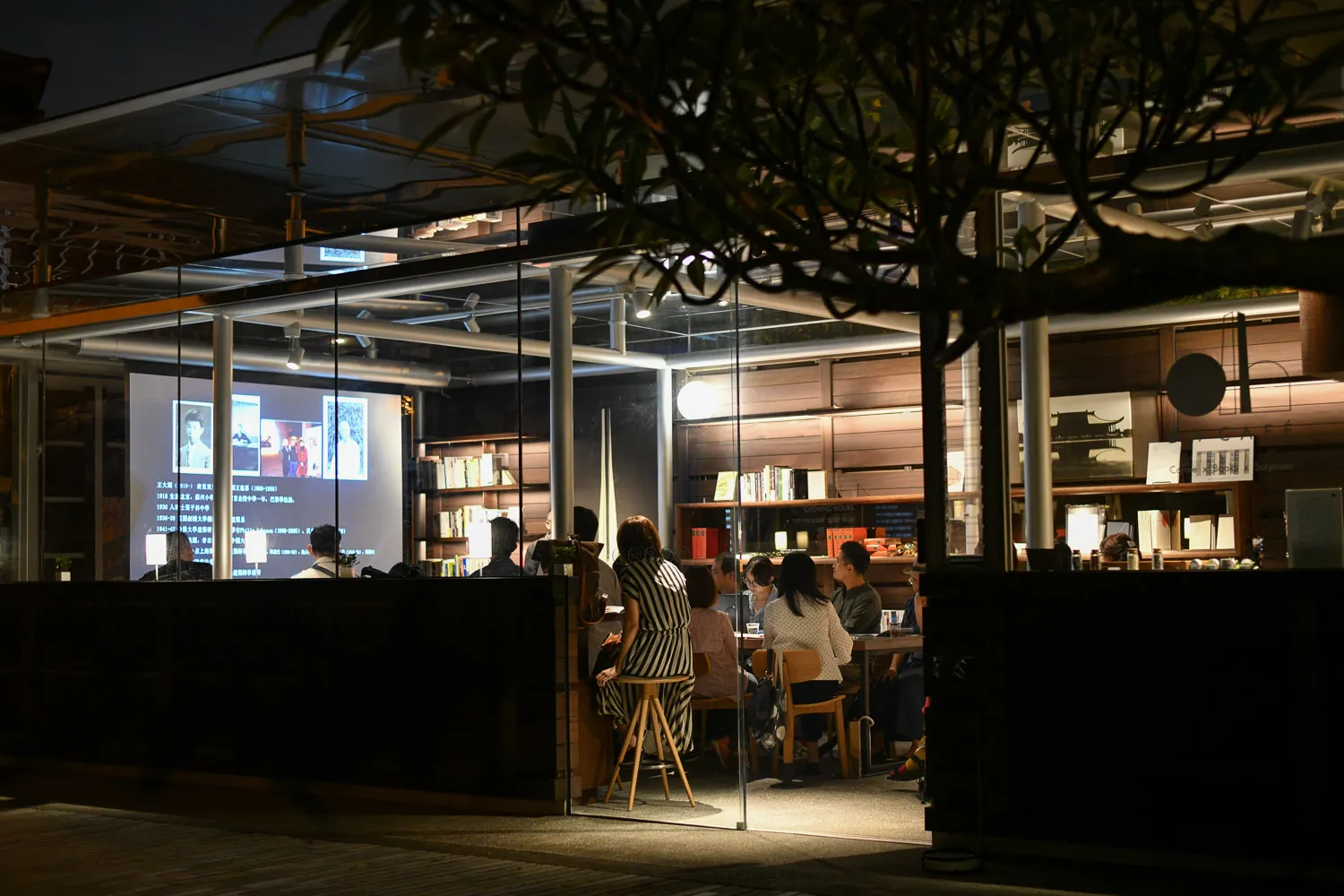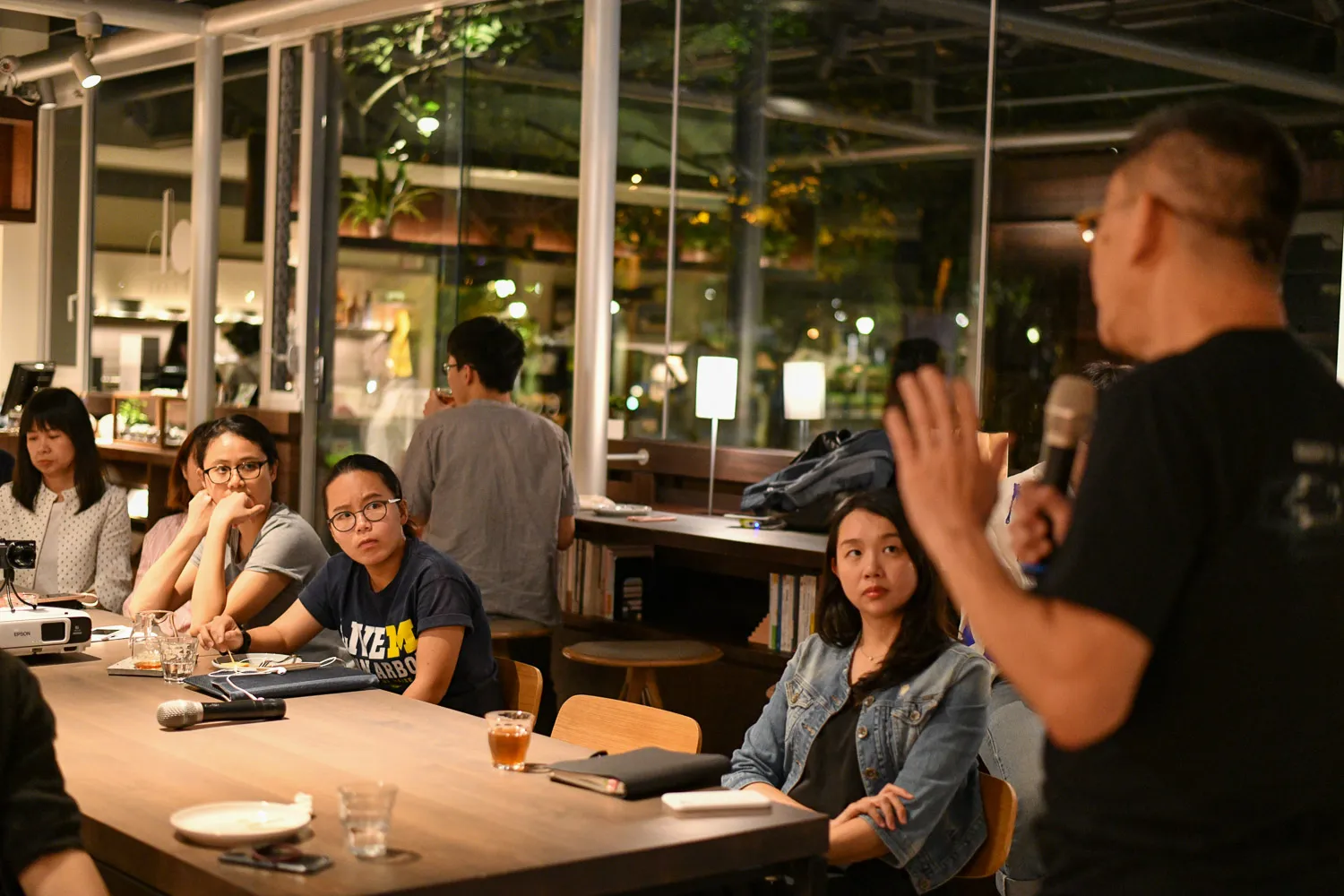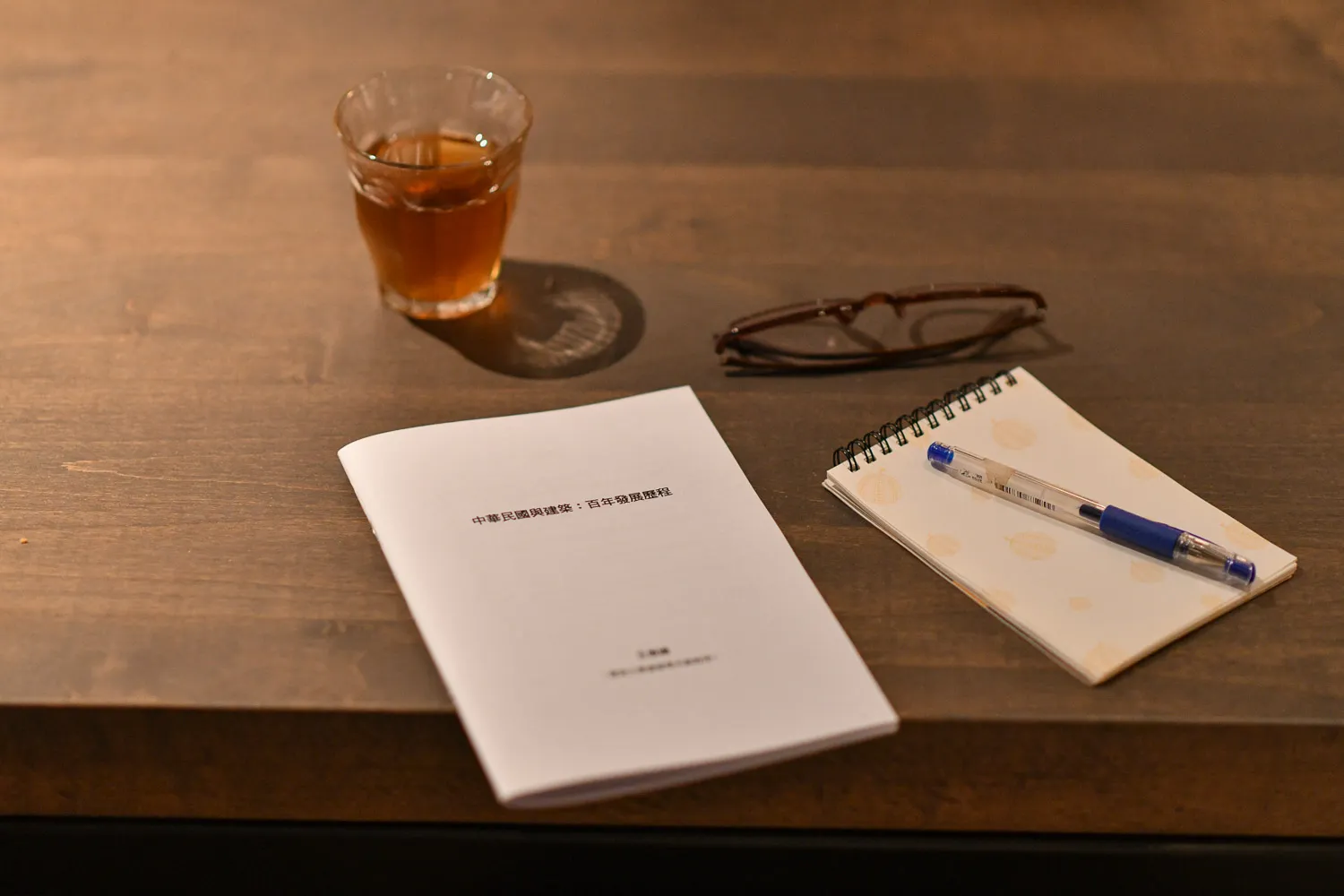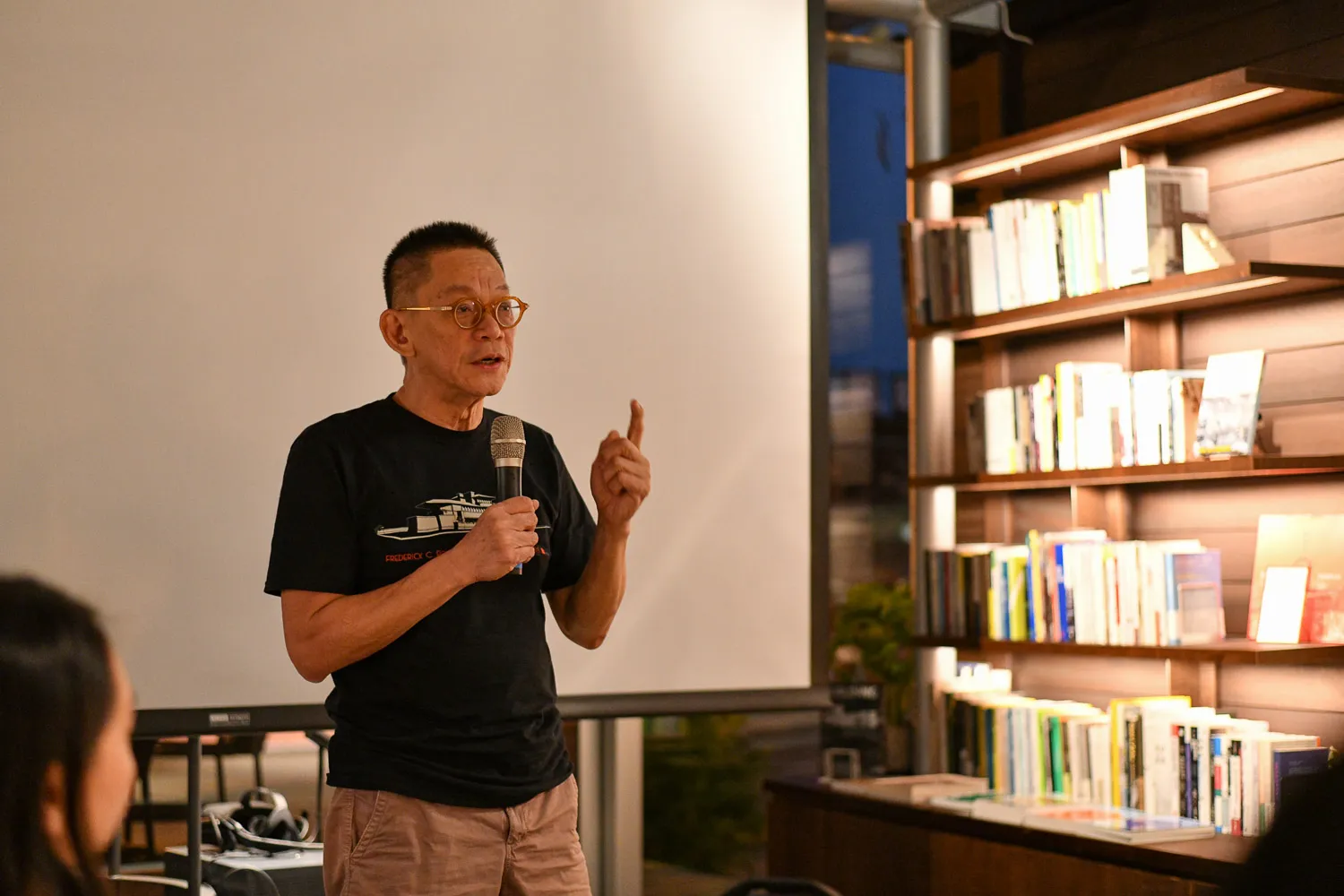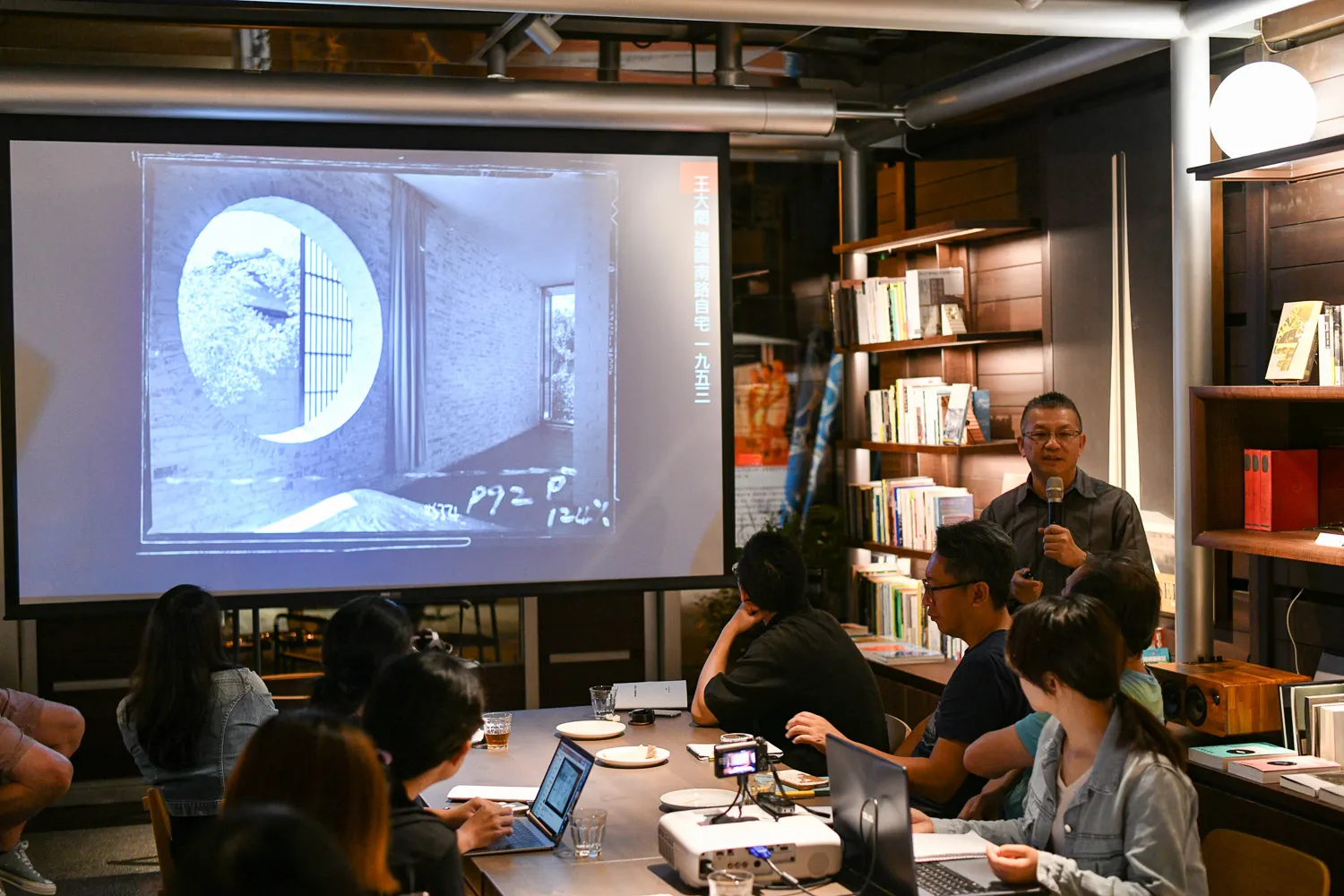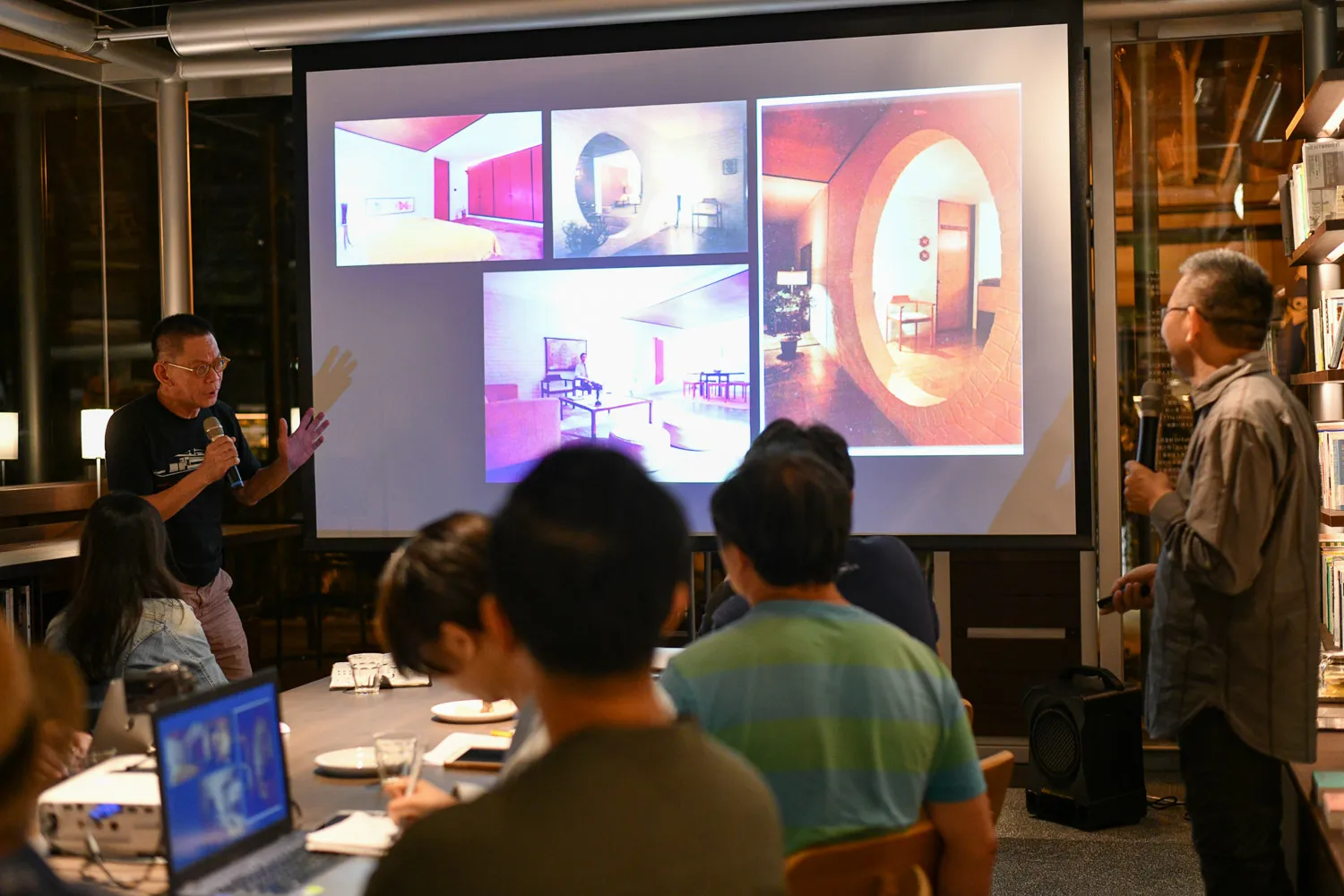
Lecture Series on Bauhaus Centenary and the 1st Memorial Anniversary of Da-Hong Wang| Theme 1: Rustic & Poetic—Architecture in Postwar Taiwan: Chinese Modern Architecture
Speakers
Tseng-Yung Wang Founder of Bigger W Atelier
Chun-Hsiung Wang Director, Department of Architecture, Shih Chien University
Location
DH Café (No. 153, Section 3, Zhongshan North Road, Zhongshan District, Taipei City)
Fee
One lecture for $500, including special snacks (sandwiches, desserts, drinks), and 10% discount on event book purchases.
Introduction
Post-World War II architecture in Taiwan underwent profound transformations whose effects persist to this day. First, the historicism that characterized pre-war architecture was almost replaced overnight by modernist architecture. Second, the architectural profession, previously dominated by Japanese practitioners, faced a vacuum following the departure of Japanese nationals after the war. Following the Nationalist government's relocation to Taiwan, this void was largely filled by professionals who had migrated from mainland China. Furthermore, the professional certification system for architects, non-existent before the war, was implemented in Taiwan following the arrival of the Nationalist government. Finally, university-level architectural education, previously absent, emerged in Taiwan. This lecture series uses these historical shifts as its horizontal axis, while exploring four thematic verticals—Modernism, Christian architecture, Brutalism, and Chinese modern architecture—to initiate discussion on this often-overlooked chapter of architectural history. This session is “Theme 1: Rustic & Poetic—Architecture in Postwar Taiwan: Chinese Modern Architecture."