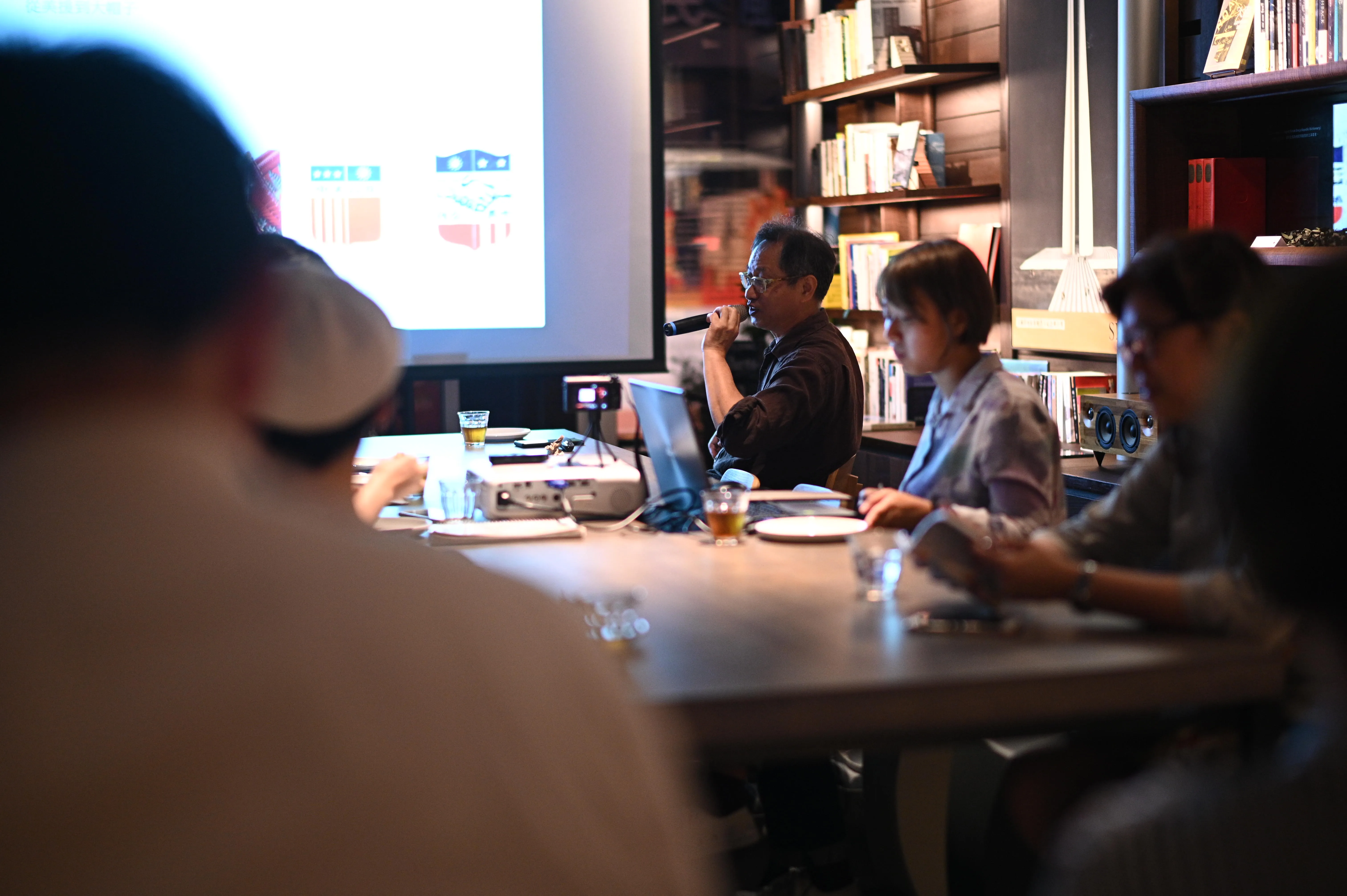
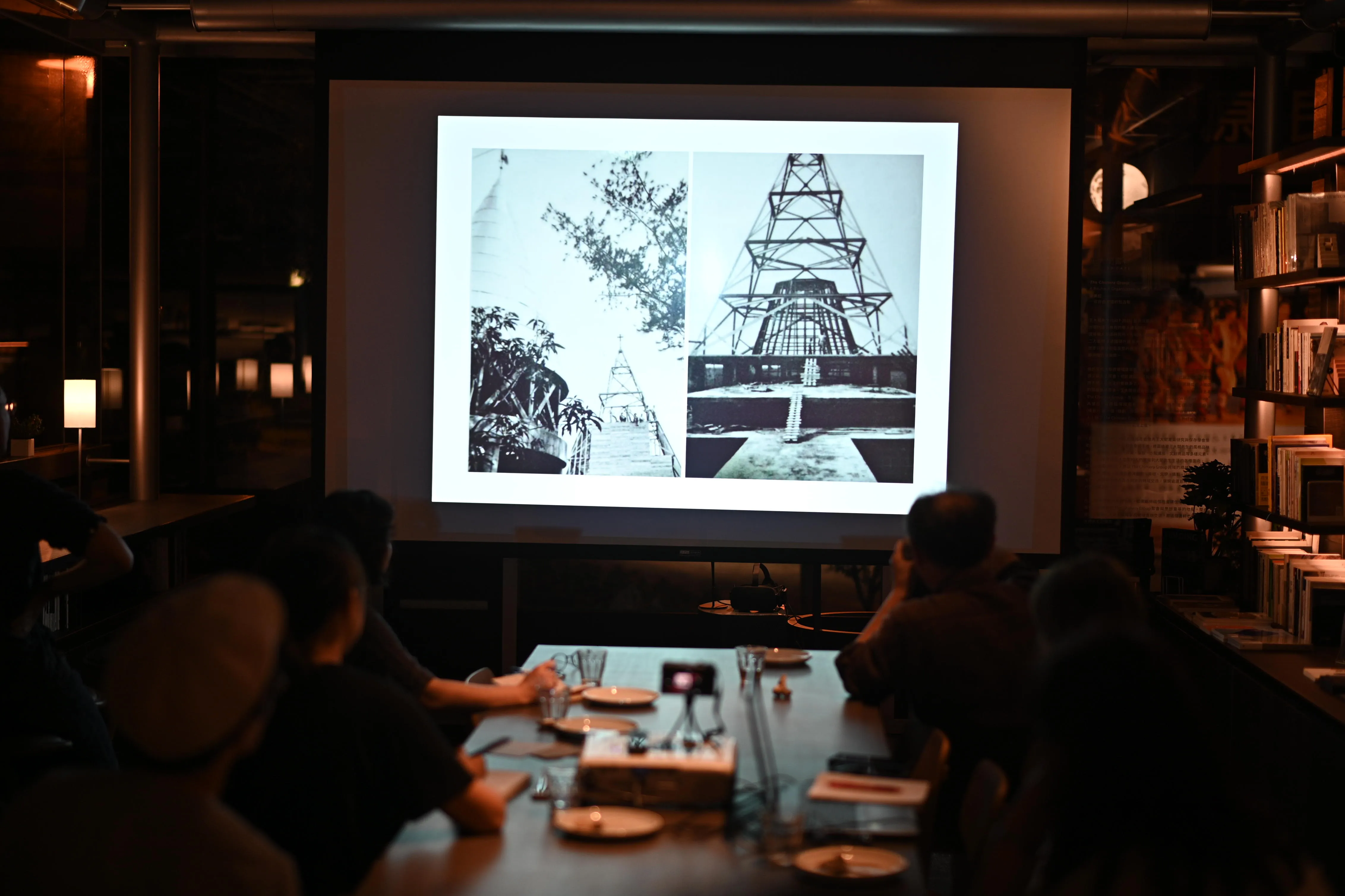
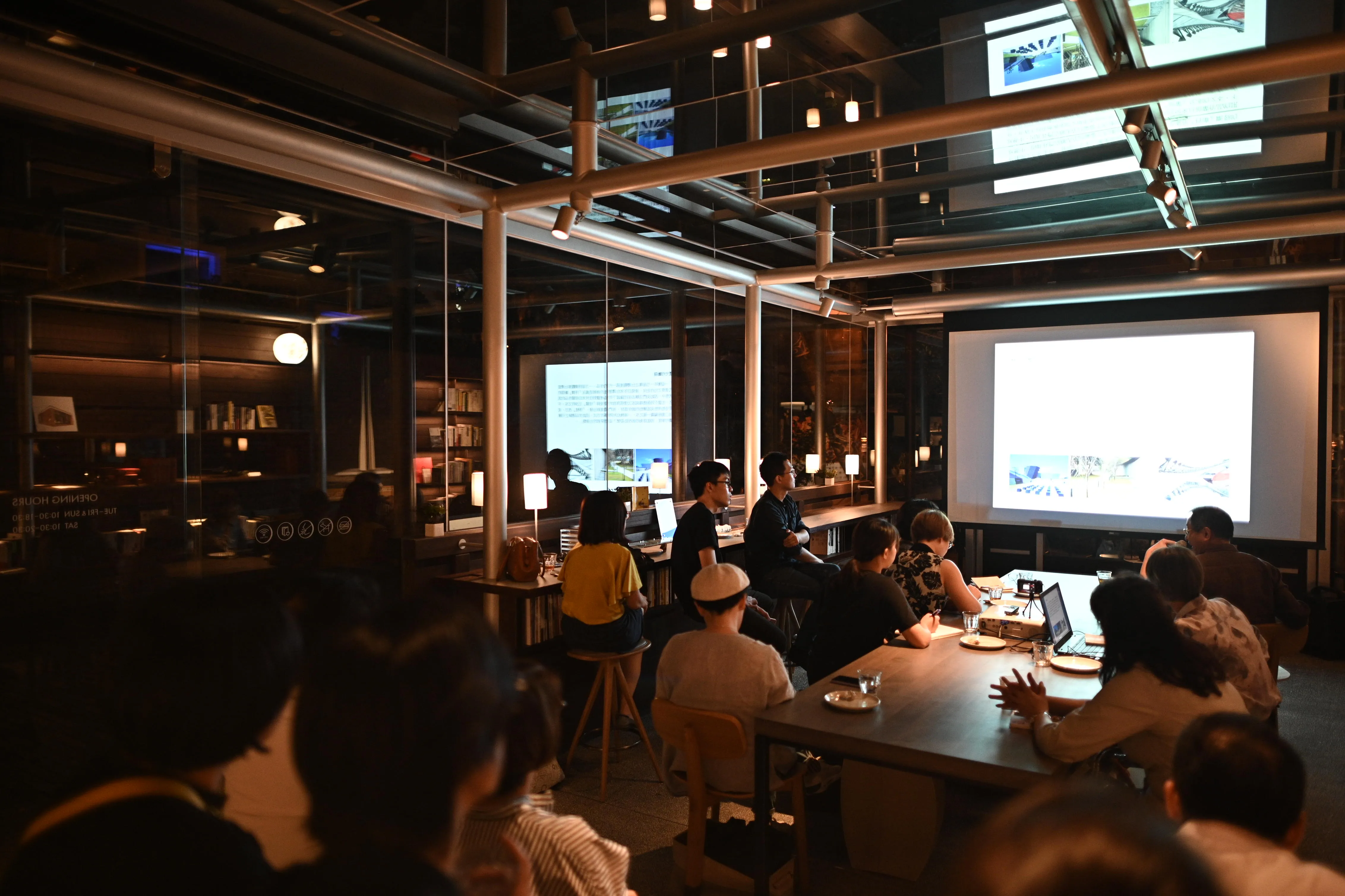
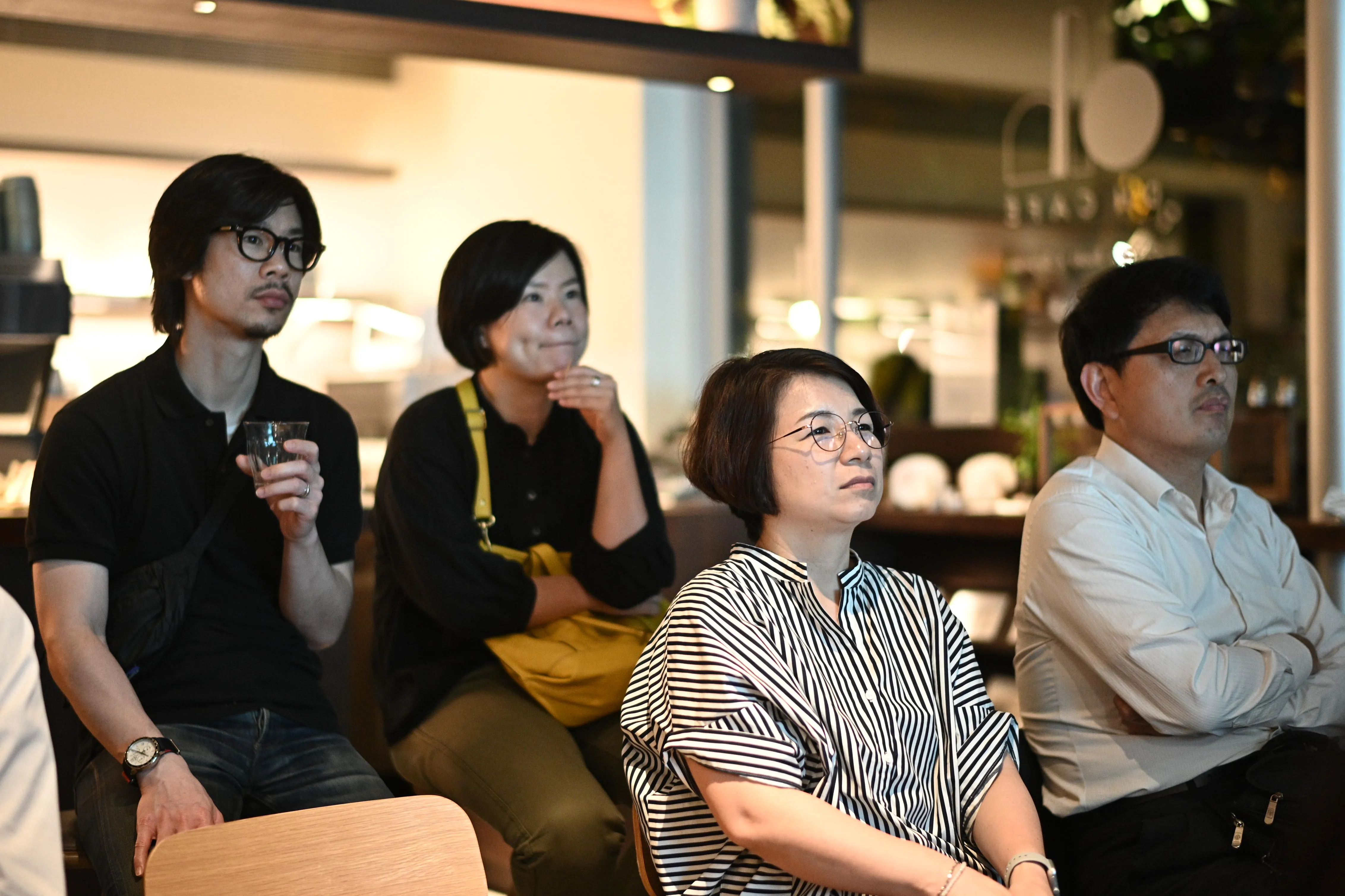
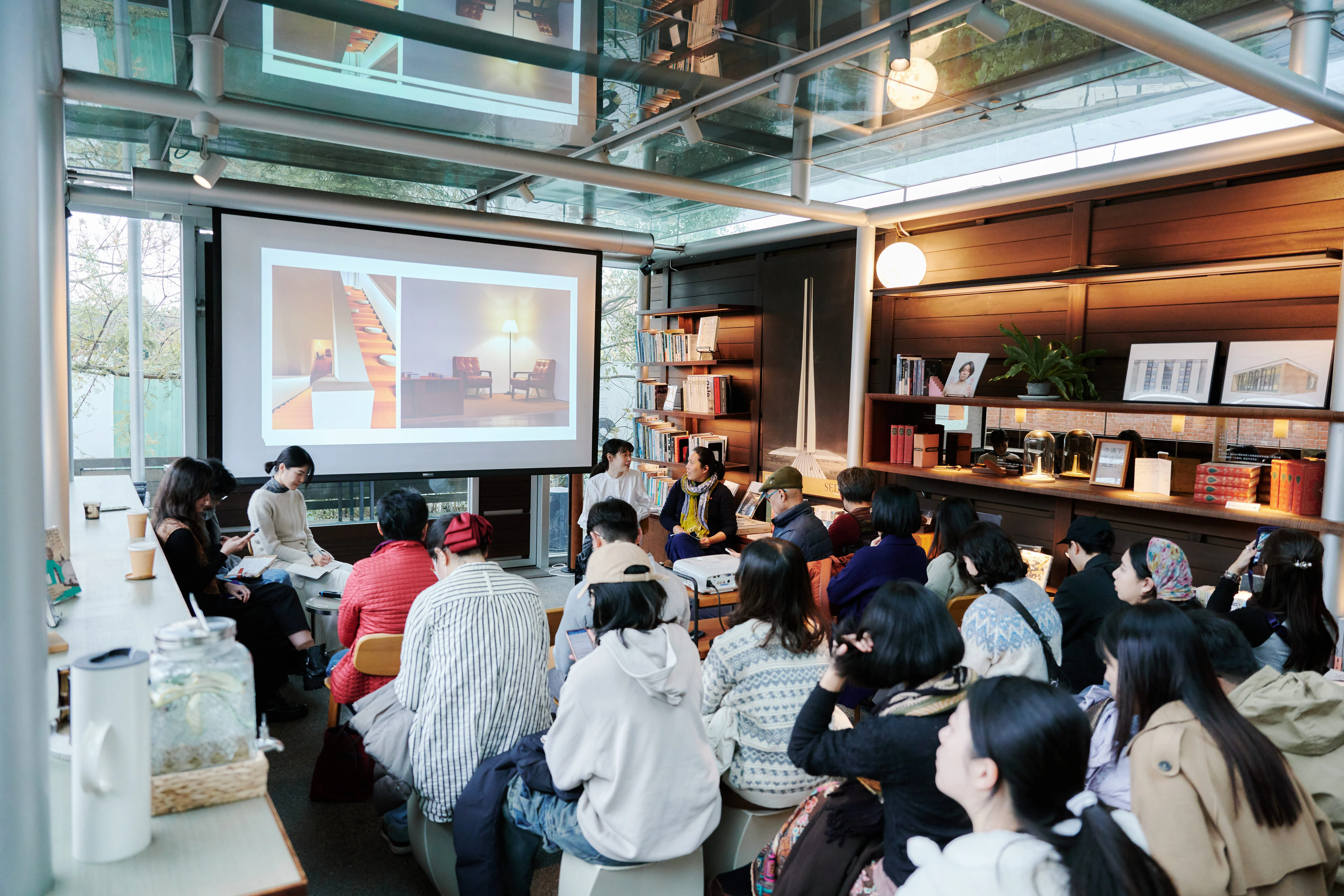
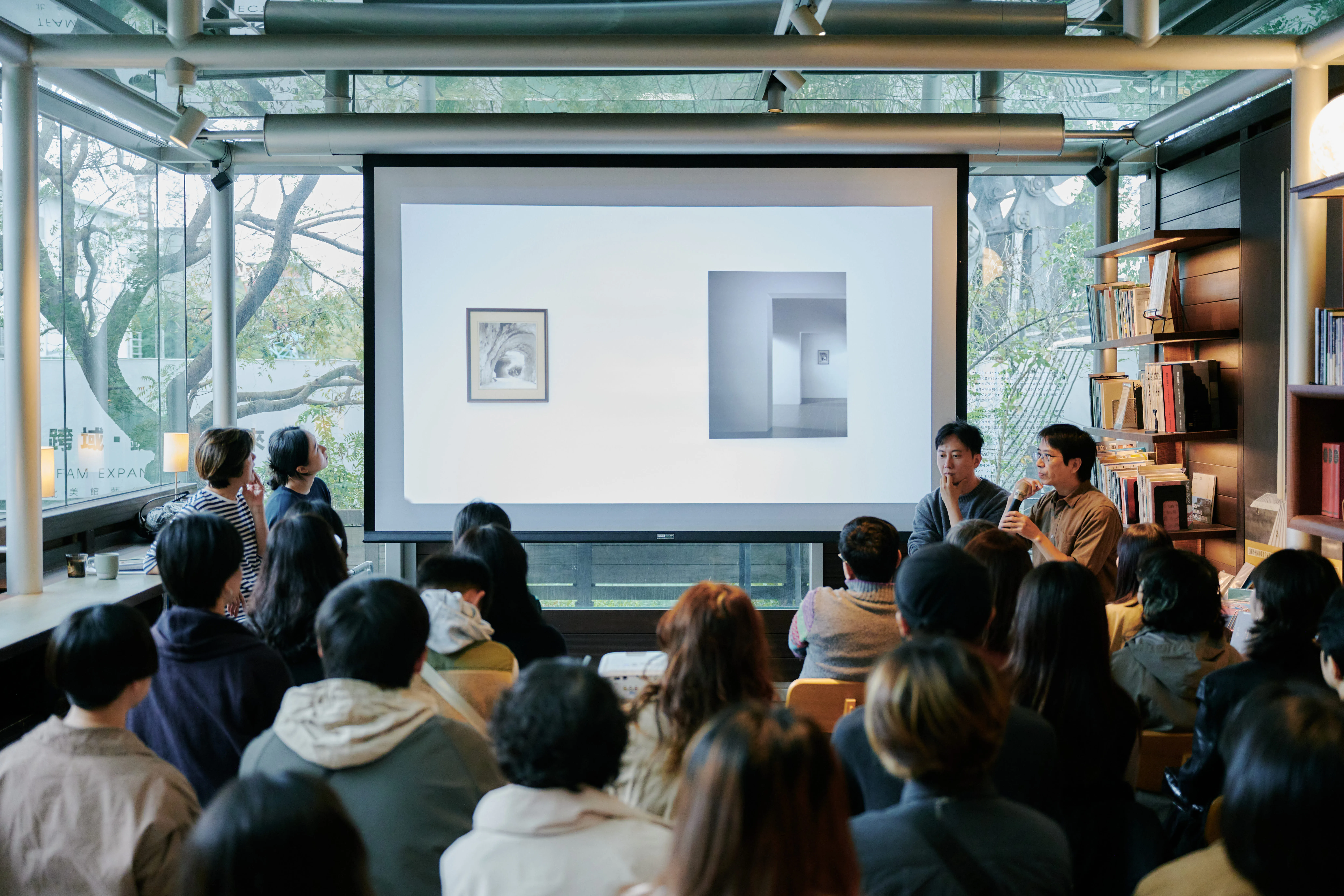
Lecture Series on Bauhaus Centenary and the 1st Memorial Anniversary of Da-Hong Wang| Theme 2: Taiwan’s Architecture and Bauhaus— Early Architectural Development in Post-War Taiwan – From U.S. Aid to the Big Hat Roofs
Speakers
Ming-Song Shyu Architecture Historian, Assistant Professor, Department of Architecture, Ming Chuan University
Location
DH Café (No. 153, Section 3, Zhongshan North Road, Zhongshan District, Taipei City)
Fee
One lecture for $500, including special snacks (sandwiches, desserts, drinks), and 10% discount on event book purchases.
Introduction
This year marks the centenary of the Bauhaus (1919-2019) and the first anniversary of Mr. Da-Hong Wang’s passing. Three Taiwanese architects profoundly influenced by the Bauhaus—Da-Hong Wang, Chi-Kuan Chen, and Chao-Kang Chang—each contributed in distinct ways to the development of post-war modern architecture in Taiwan. Though time has passed and the pioneers are gone, revisiting their legacy today still reveals astonishing cultural depth. On this centenary, it is essential to reflect on the vital cultural assets they bequeathed to us. This four-part lecture series marks the beginning of our profound reflection. This session is “Theme 2: Taiwan’s Architecture and Bauhaus— Early Architectural Development in Post-War Taiwan – From U.S. Aid to the Big Hat Roofs.”