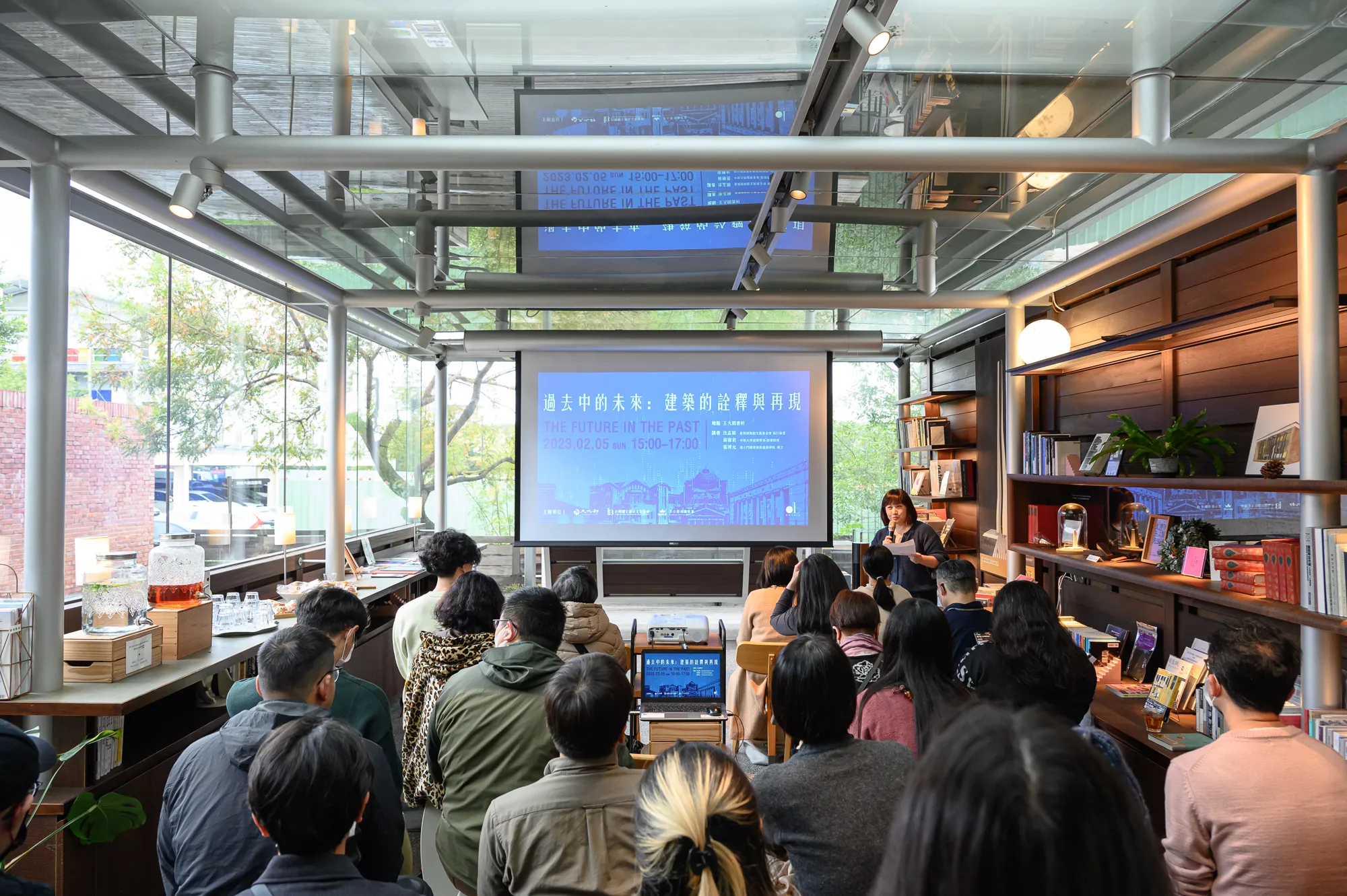
Architecture Salon| The Future in the Past: Interpretation and Representation of Architecture
Speaker
Meng-Ying Shen Eecutive Secretary, Taiwan Museum Foundation
Ya-Chun Chiang Associate Professor, Chung Yuan Christian University
Po-Yun Chang Master, Accademia di Architettura di Mendrisio in Swiss
Introduction
Hsuan-Jen Ma Media Veteran
Location
DH Café (No. 153, Section 3, Zhongshan North Road, Zhongshan District, Taipei City)
Fee
The event is free but requires prior registration.
Event Content
In 2006, the National Taiwan Museum launched the project “Post-WWII Classic Architectural Design Drawings of Taiwan,” collecting architectural drawings and documentation from 56 architects and institutions from the 1950s to the 1990s. For years, architectural scholars have advocated for collecting these architectural materials and establishing a national-level architecture museum urgently. In 2012, with support from the Ministry of Culture, the National Taiwan Museum and the Taiwan Museum Foundation jointly launched the “Project for Promoting Taiwan Architectural History and Knowledge,” laying the groundwork for establishing a Taiwan Architecture Museum. Against this backdrop, as architecture and museology intersect, the museum sector requires fresh perspectives to embrace this new member, while the architectural community must expand its new horizons by entering this new domain. Particularly, buildings deemed valuable today are preserved and sustained through designation as tangible cultural assets. Under this operational logic, do we still need an architecture museum? What should its mission and tasks be to highlight architecture’s value within museology? How should architectural knowledge be interpreted or translated? These are unavoidable questions in preparing for an architecture museum. We hope that through visits to European institutions and exhibitions, we can collectively exchange insights into the current state and potential of architectural exhibitions and institutions in Taiwan.
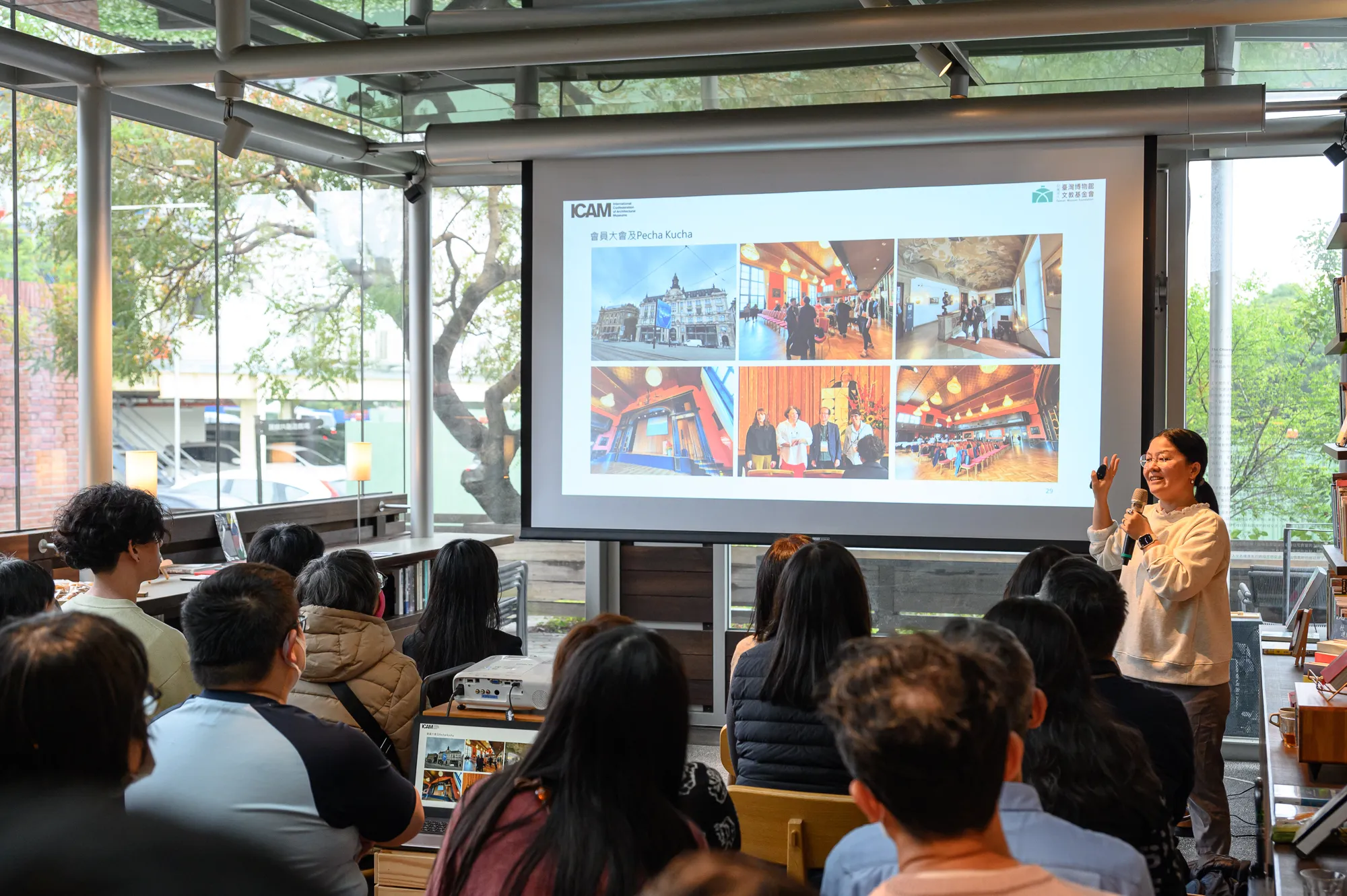
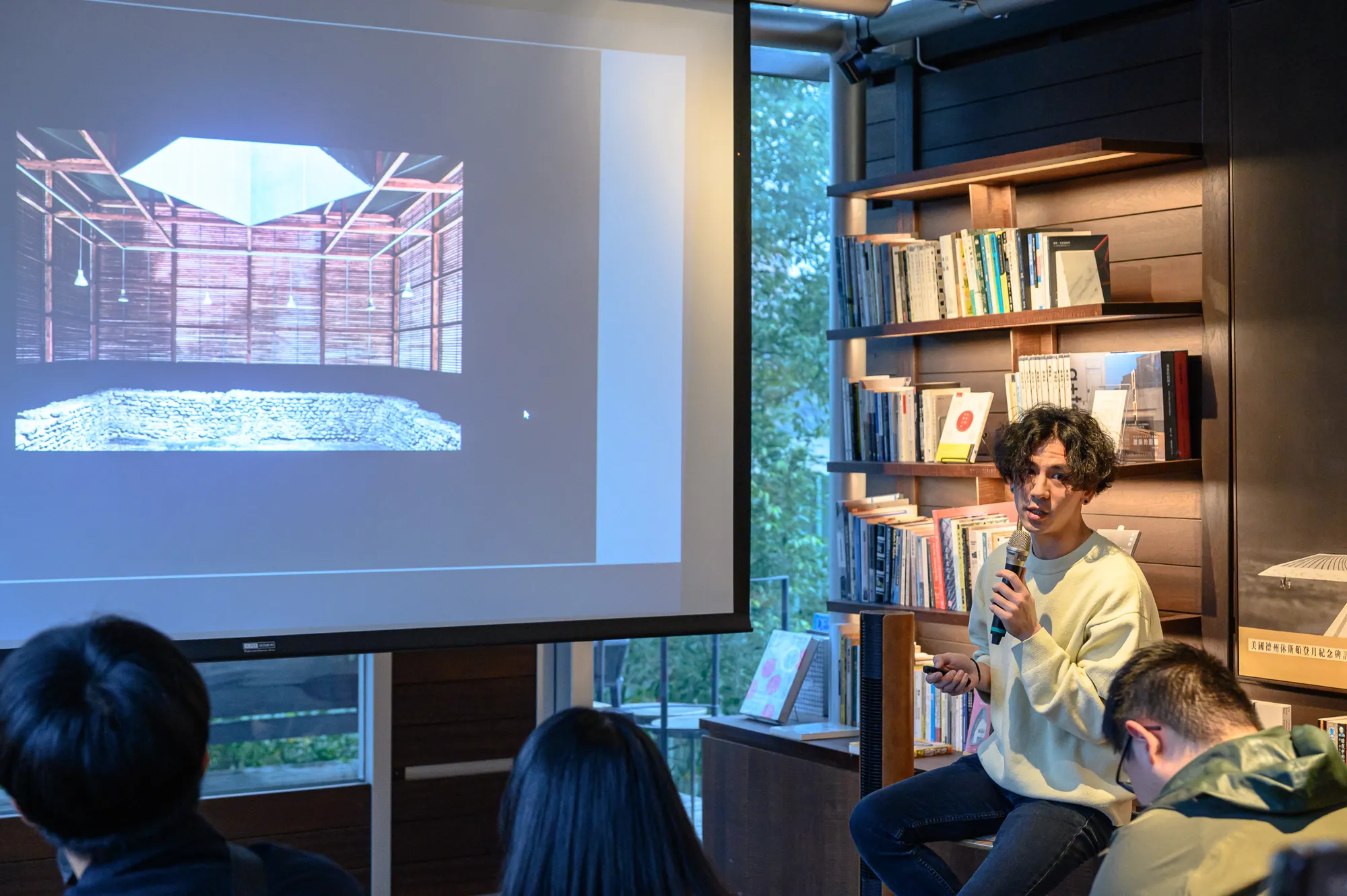
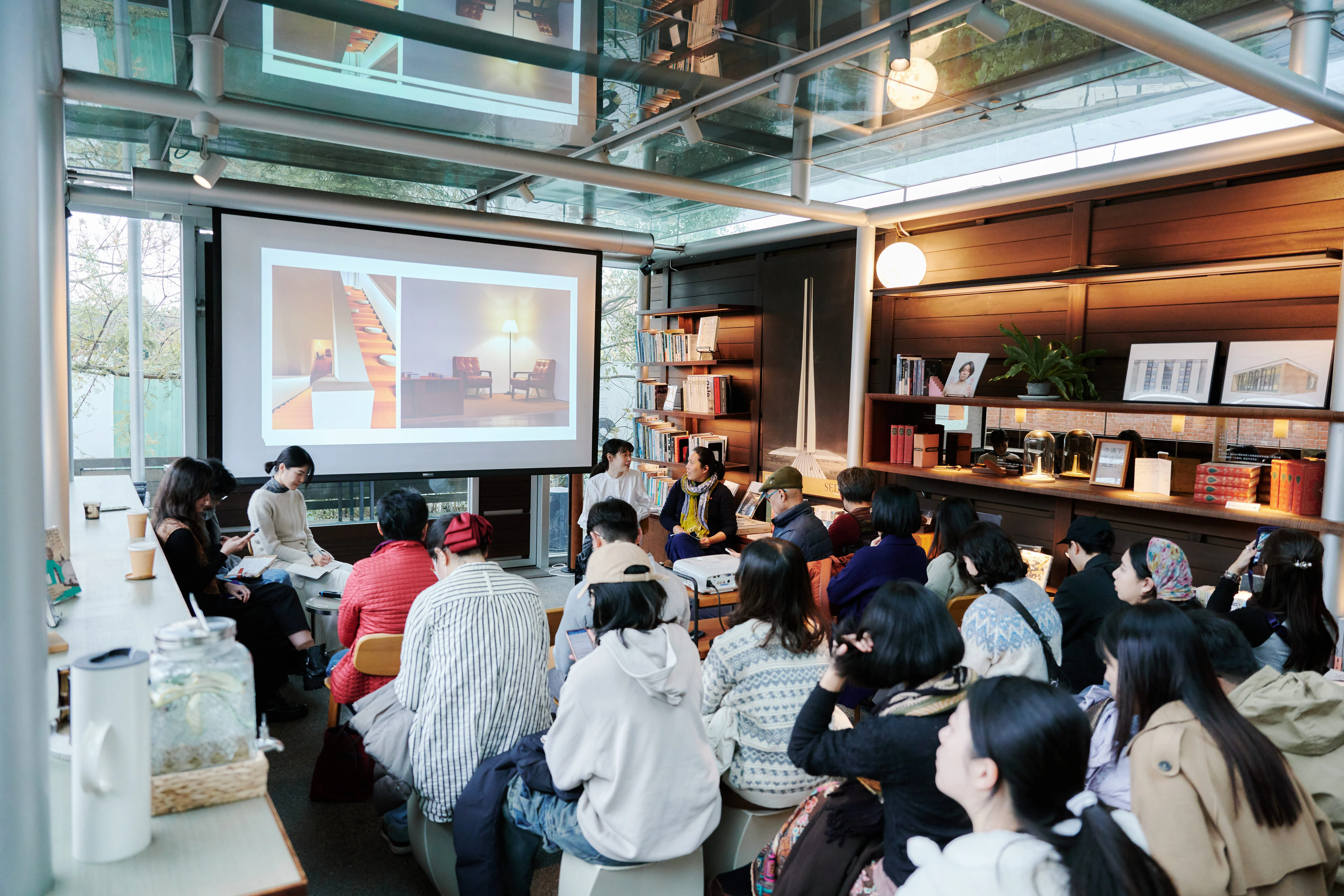
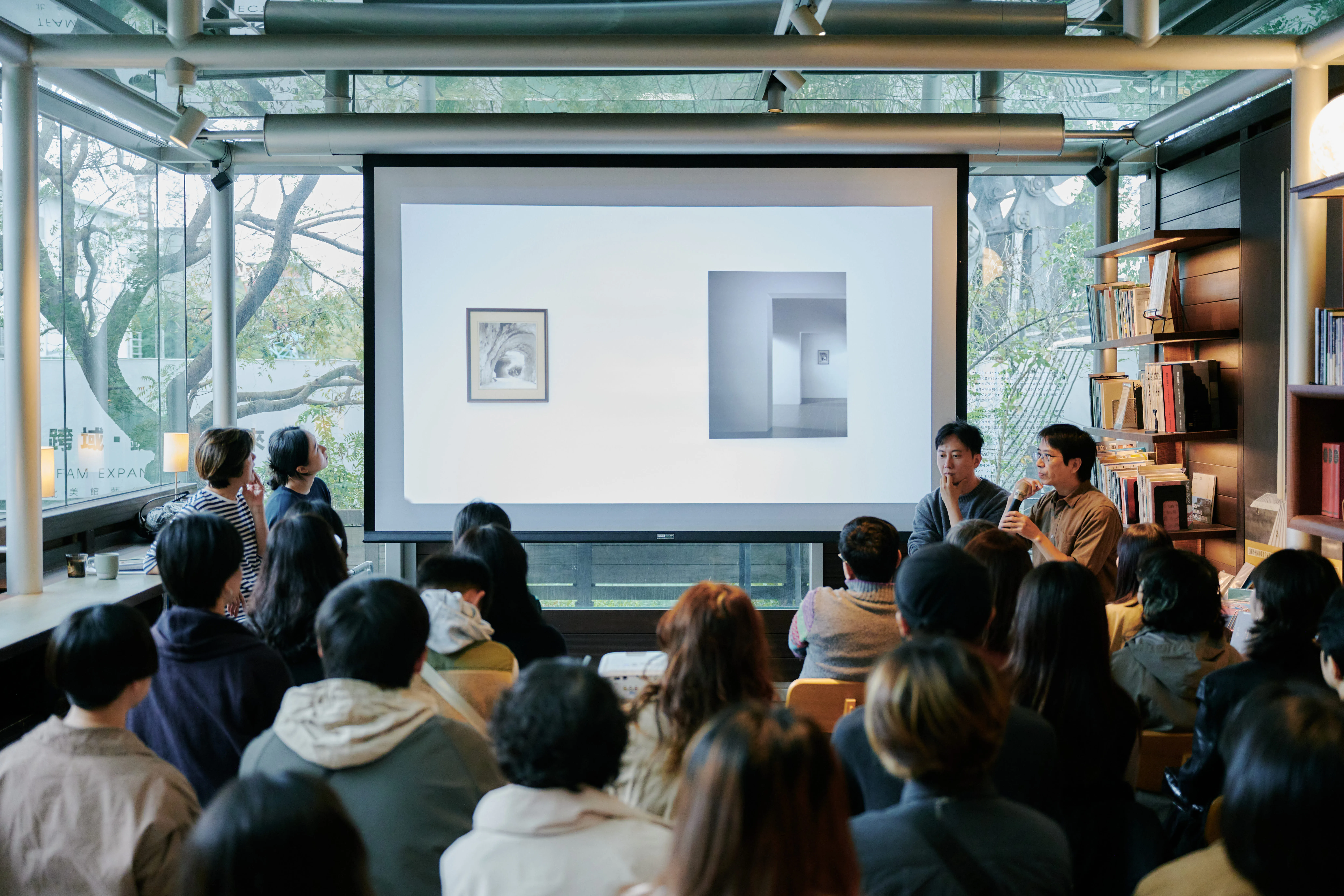
This lecture begins with Meng-Ying Shen, Executive Secretary of the Taiwan Museum Foundation, presenting outcomes from the 2022 International Confederation of Architectural Museums (ICAM) conference, alongside insights into the collections and exhibitions of architectural museums/centers in Germany, Switzerland, and France. Ya-Chun Chiang, Assistant Professor at Chung Yuan Christian University’s Department of Architecture, will discuss her experience curating Taiwan Acts! Architecture in Social Dialogue in Munich and Prague. Focusing on the exhibition’s “Community Building in Progress” section, she will present ten compelling case studies (Nanjichang Community, Maple Tree Community, large-scale community planning in Keelung, Yiwu Community, Xinhua Old Street Life Story Museum, Zhushan Town Cultural Creativity, Hualien County Niuli Community Interchange Association, Taitung Children’s Book House, and Bunun: Homeward: Jiaxin Slate Houses) to convey the vitality and creativity of Taiwan’s grassroots communities. The final segment features Po-Yun Chang, who is currently pursuing a master’s degree at the Accademia di Architettura di Mendrisio in Switzerland. Under the theme “Spatial Experience and Rituality,” he shares insights into the inspiring architectural spaces created by Swiss architects, such as Peter Zumthor, Valerio Olgiati, Peter Märkli, and others, alongside his experiences studying architecture in Europe.