Book Exhibition Salon| Two Talks on Valerio Olgiati
Speakers
Cheng-Hsuan Wu Principal Architect, office aaa
Hao-Chung Cheng Principal Architect, Atelier Chenghaochung
Yuan-Fu Chiu Curatorial Team of Winsing Book Exhibition
Introduction
Jr-Gang Chi Assistant Professor of the Department of Architecture, Shih Chien University Curator of “Winsing Art Place Book Selections 2019-2020”
Location
Winsing Art Place (No. 6, Lane 10, Lane 180, Section 6, Section 6, Minquan East Road, Neihu District, Taipei City)
Fee
$300 (The event fee can be used as a $150 discount on book purchases at the bookstore on the day, upon presentation of the receipt.)
Event Content
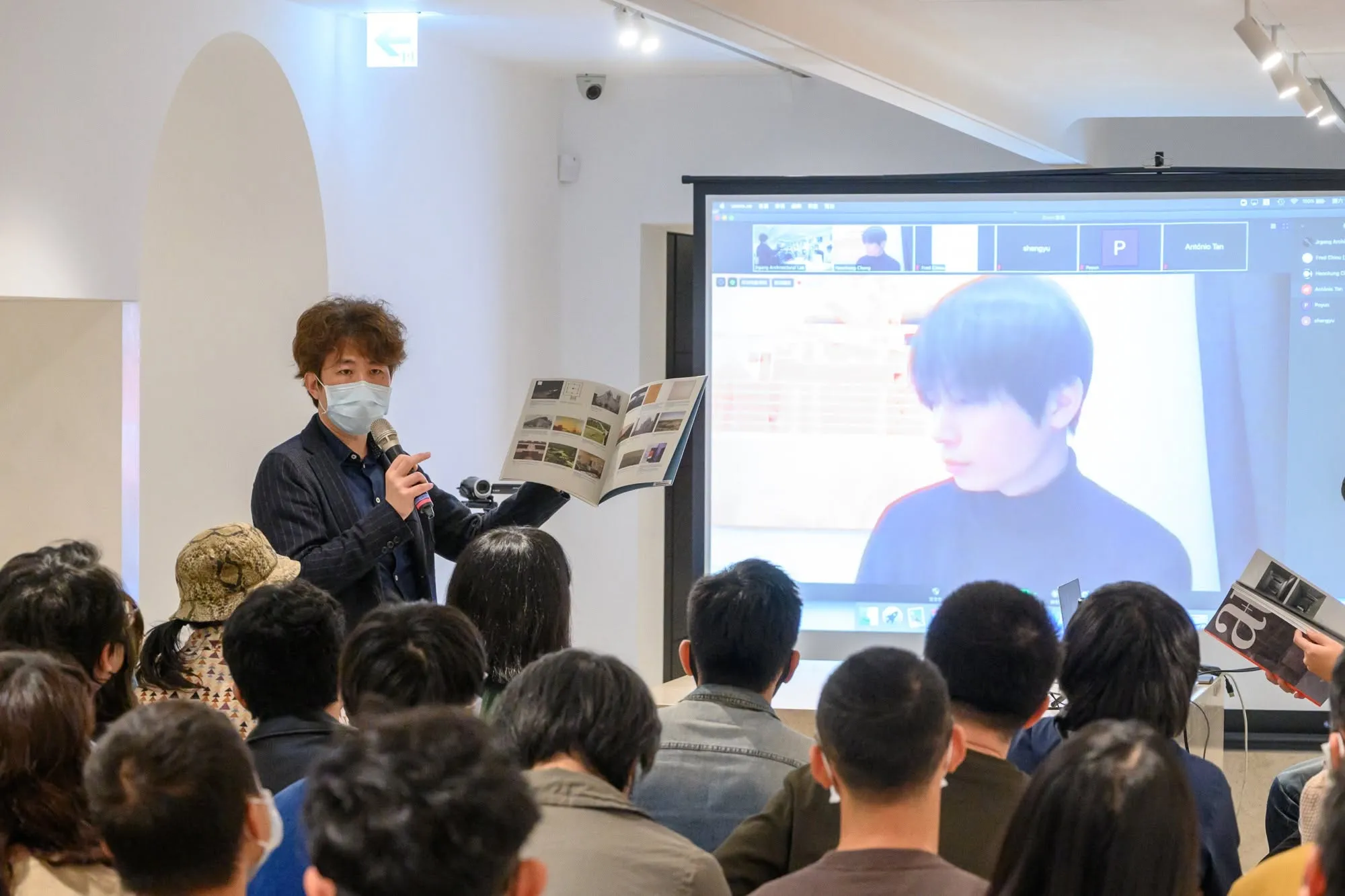
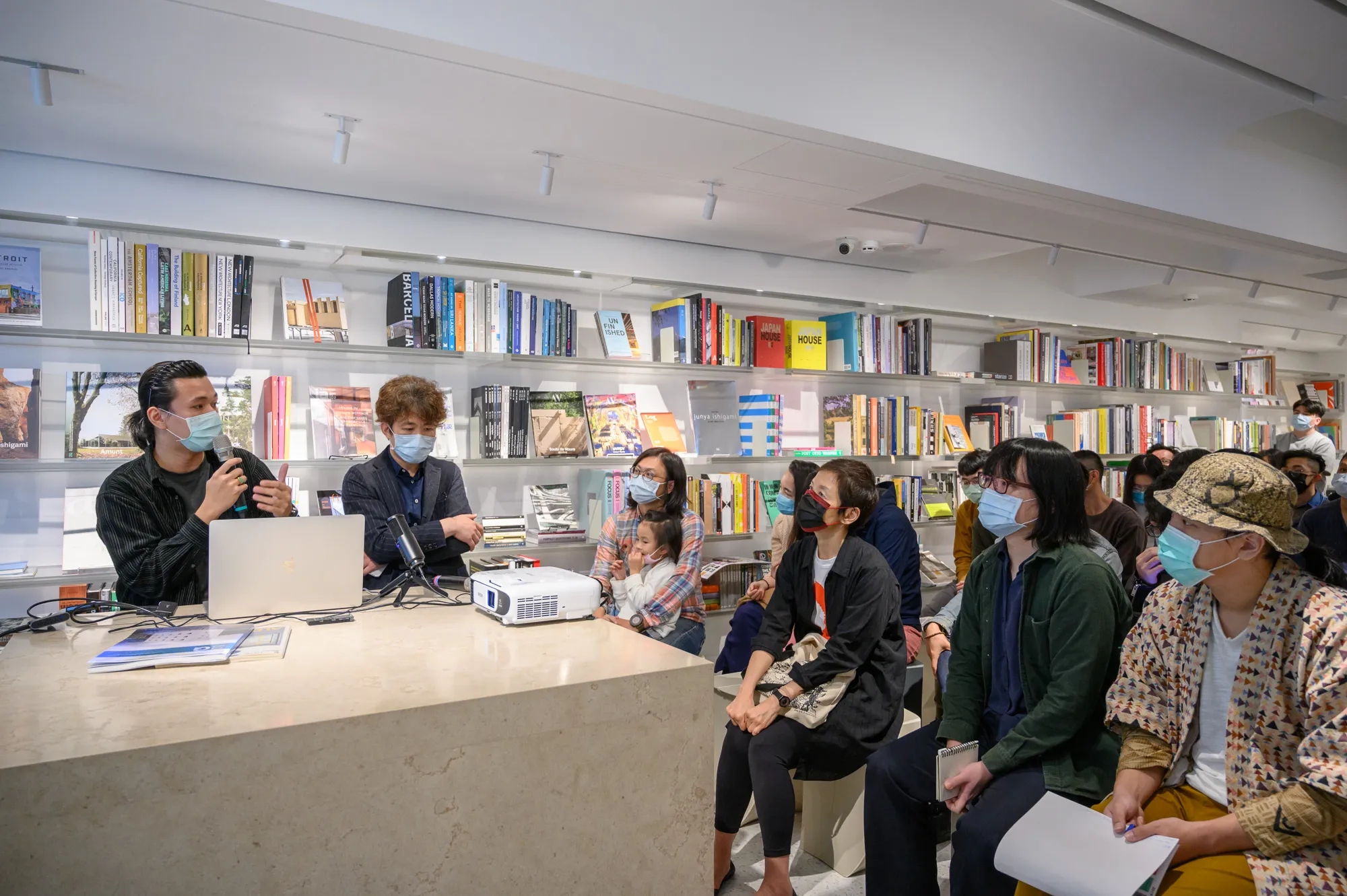
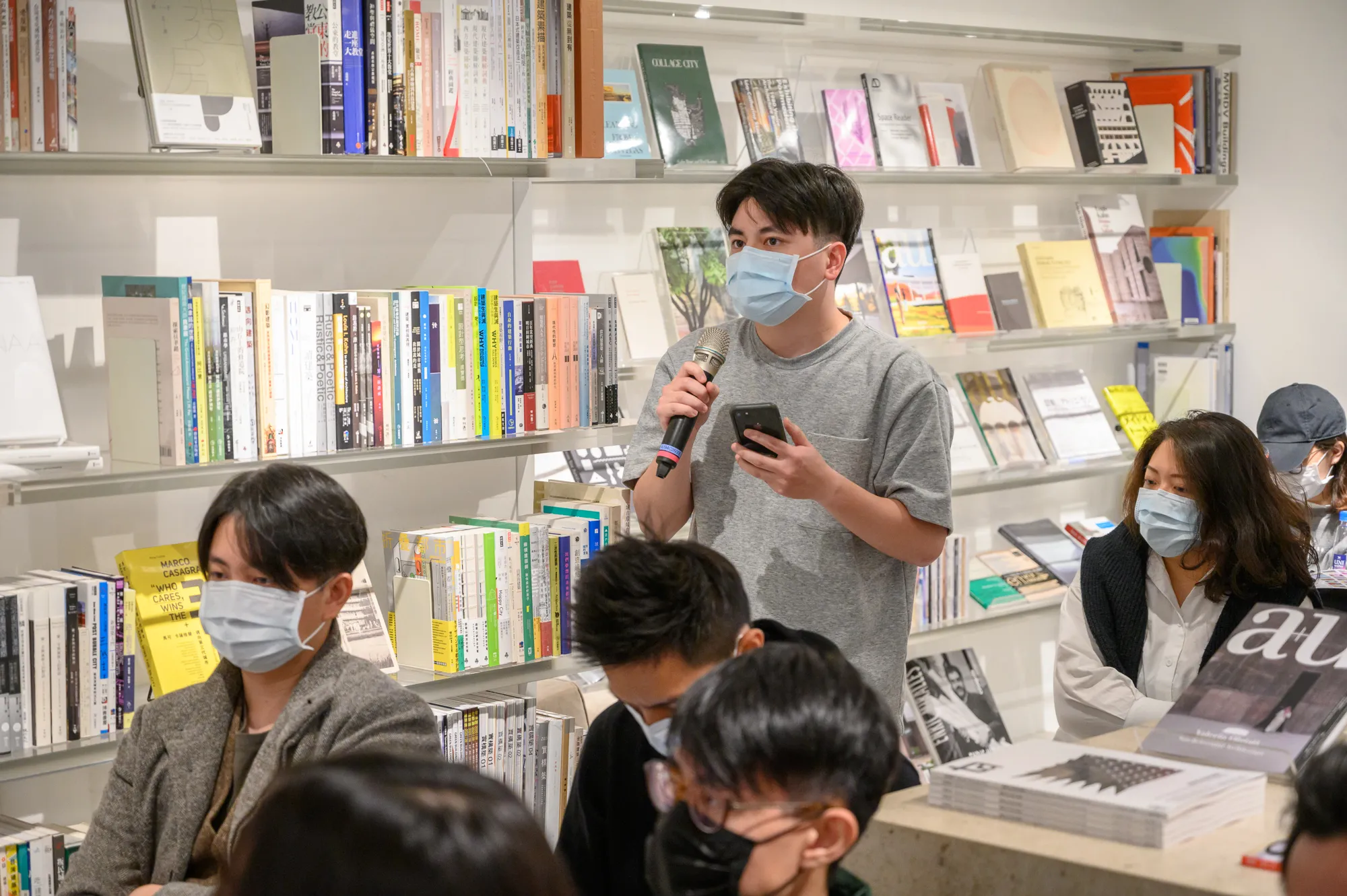
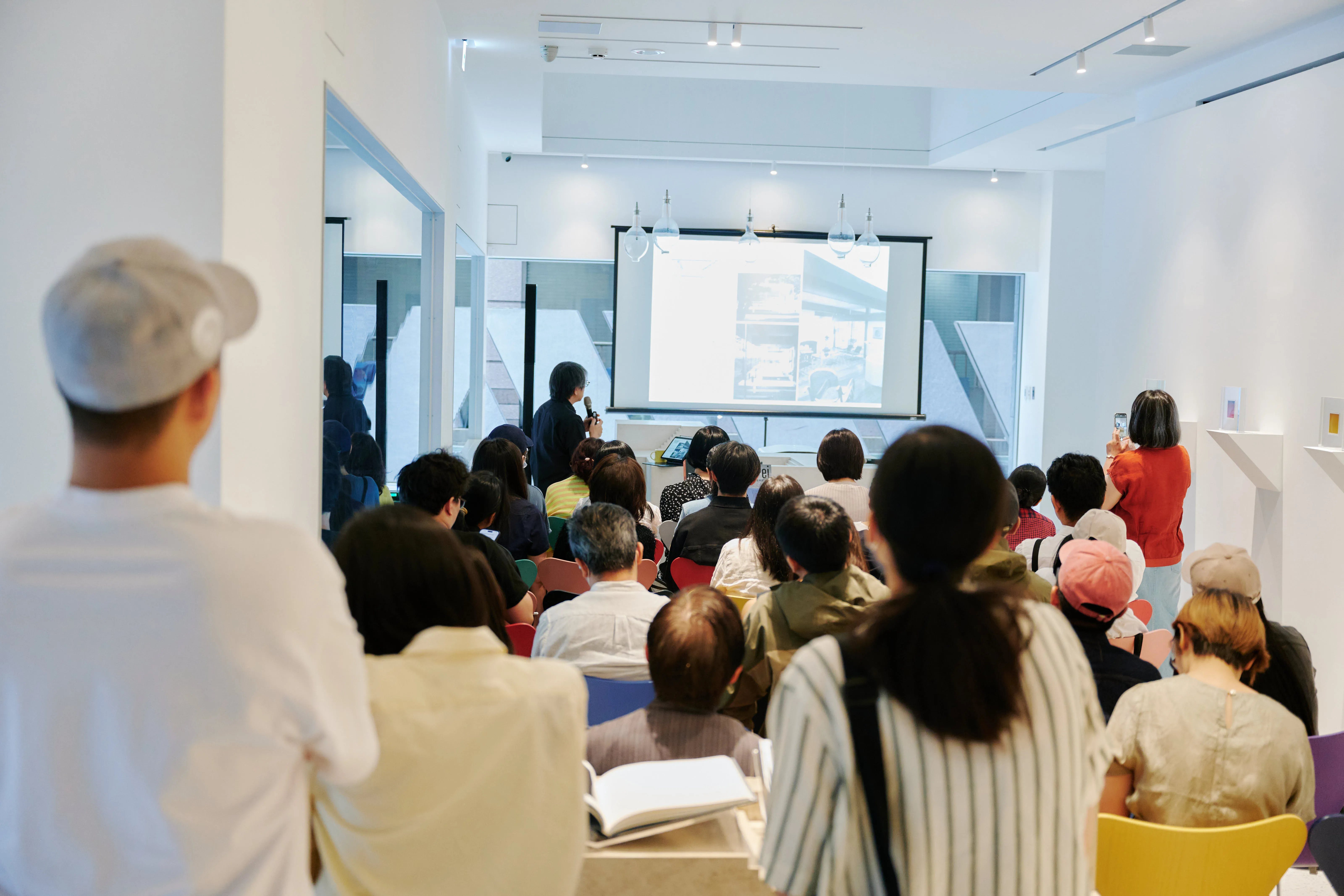
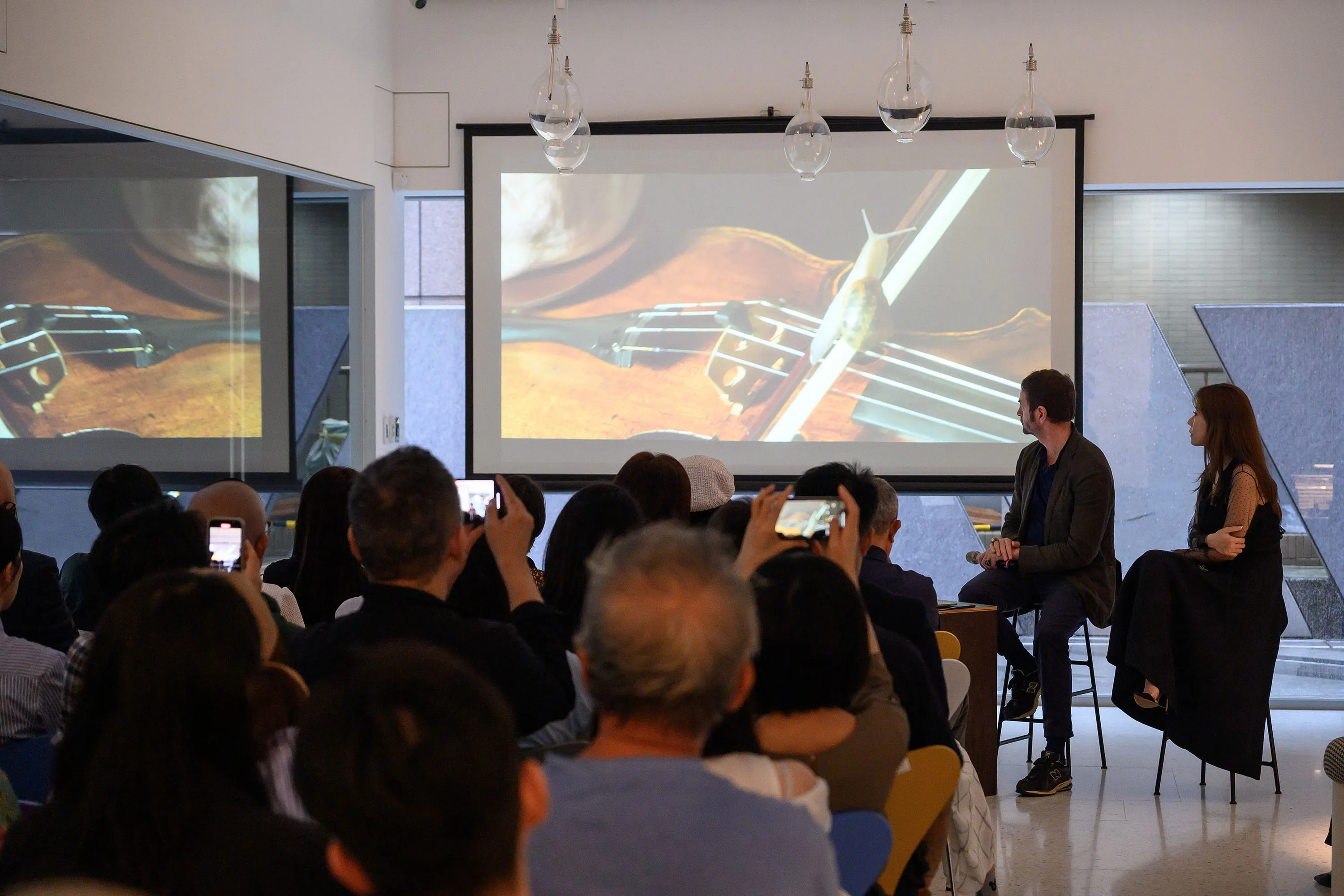
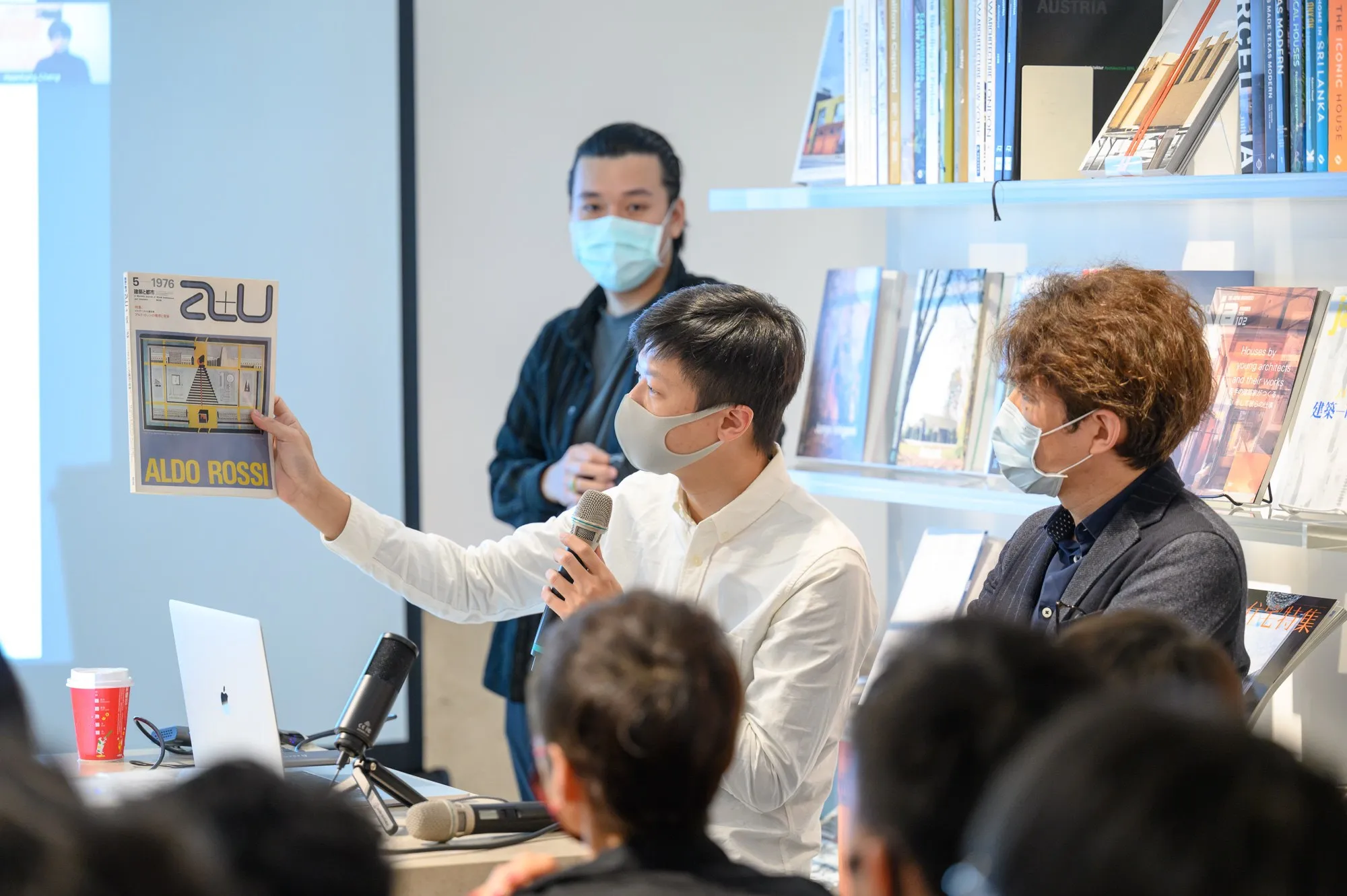
On Saturday afternoon, January 23rd, the bookstore will host the Winsing Art Place Book Selections 2019-2020 series event—“Architecture Salon (II): Two Talks on Valerio Olgiati.” The curatorial team has specially invited young architectural creators: Hao-Chung Cheng, principal architect of Tokyo-based Atelier Chenghaochung, and Cheng-Hsuan Wu, principal architect and partner at office aaa. Together, they will discuss the architectural spaces created by Swiss architect Valerio Olgiati and the stories behind his architectural philosophy.
Since the late 1990s, Olgiati has been regarded as one of Switzerland’s most independent and representative architects. Beyond his professional practice, he has taught at the Swiss Federal Institute of Technology (ETH) in Zurich, the Architectural Association (AA) School in the UK, Cornell University, the Harvard Graduate School of Design in the US, andthe Accademia di Architettura di Mendrisio in Switzerland.
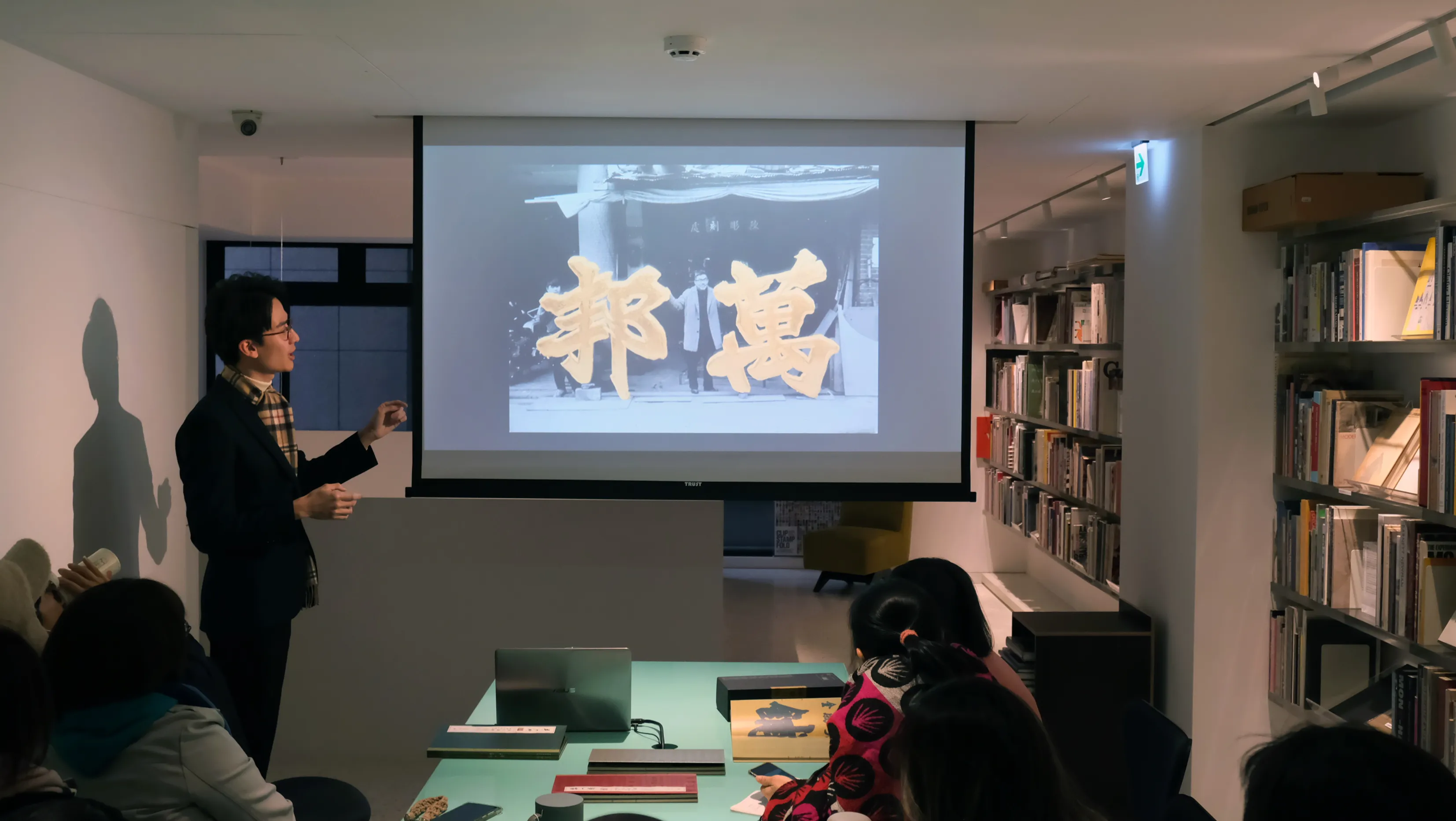
In this salon, Wu will explore Olgiati’s architectural journey across Europe and the US, starting from his renowned “Iconographic Autobiography,” and share reflections inspired by reading Olgiati’s work Non-Referential Architecture. Cheng, who studied at the Accademia di Architettura di Mendrisio, where Olgiati taught, will share his work from Olgiati’s studio and firsthand architectural observations.