WINSING ART PLACE
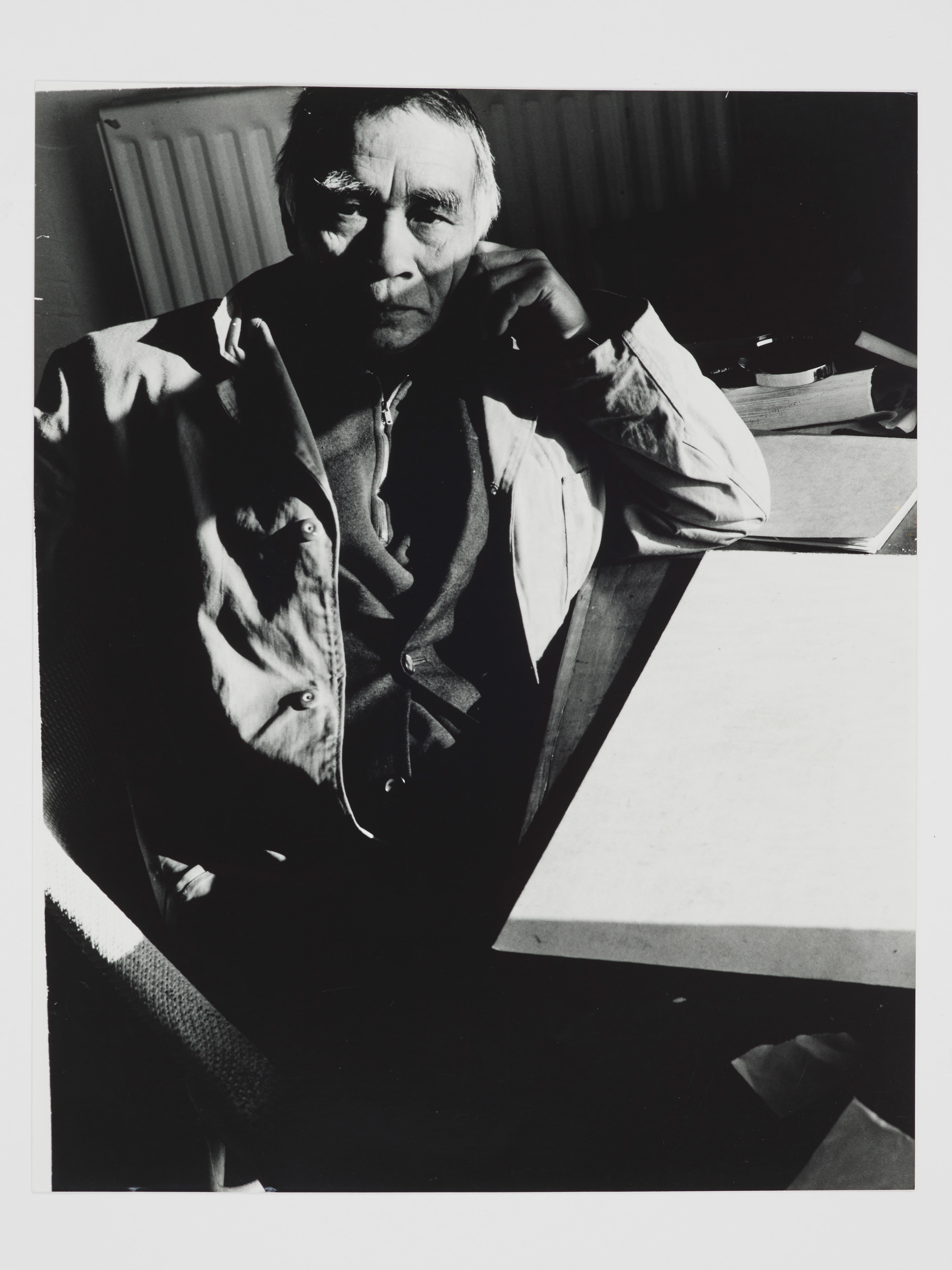
Li Yuan-Chia was born in Guangxi in 1929 and moved to Taiwan after World War II. Early in his career, he was inspired by the modernist ideas of Li Chun-Shan, developing a unique pictorial vocabulary that fused traditional ink with abstract expression. As a founding member of the Ton-Fan Art Group, he played a leading role in the first wave of postwar modern painting in Taiwan.
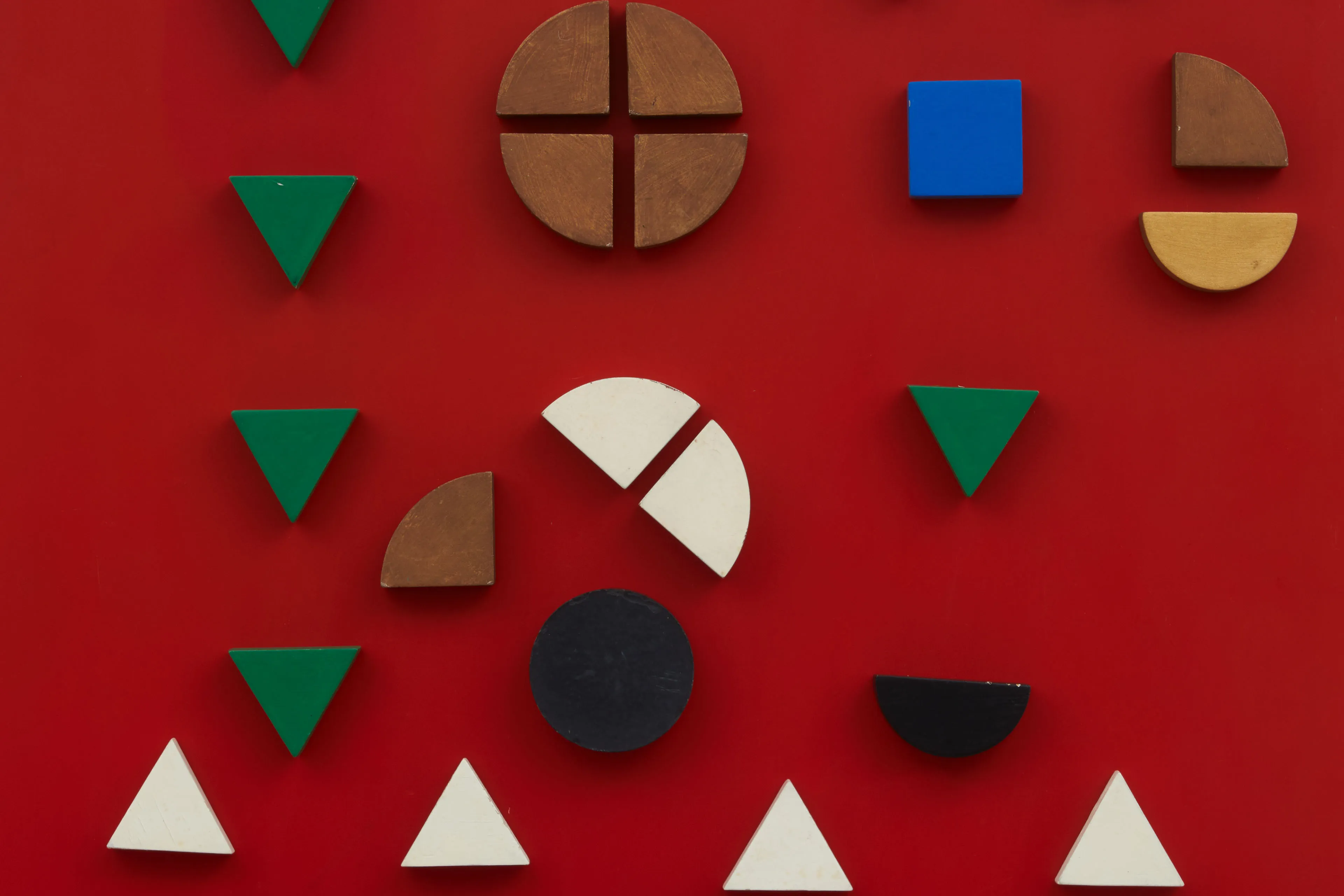
In the 1960s, Li’s work took on a minimalist, enigmatic, and conceptual character, revealing a vast cosmological schema within restrained expressivity. He began to develop the “point”—a concept and motif that would run through his entire career. After moving to Bologna, Italy, in 1962, he joined the art group Punto, transforming the picture plane into a site for manipulation, cutting, and reconstruction, shifting viewers’ attention from painterly brushwork to geometric composition.
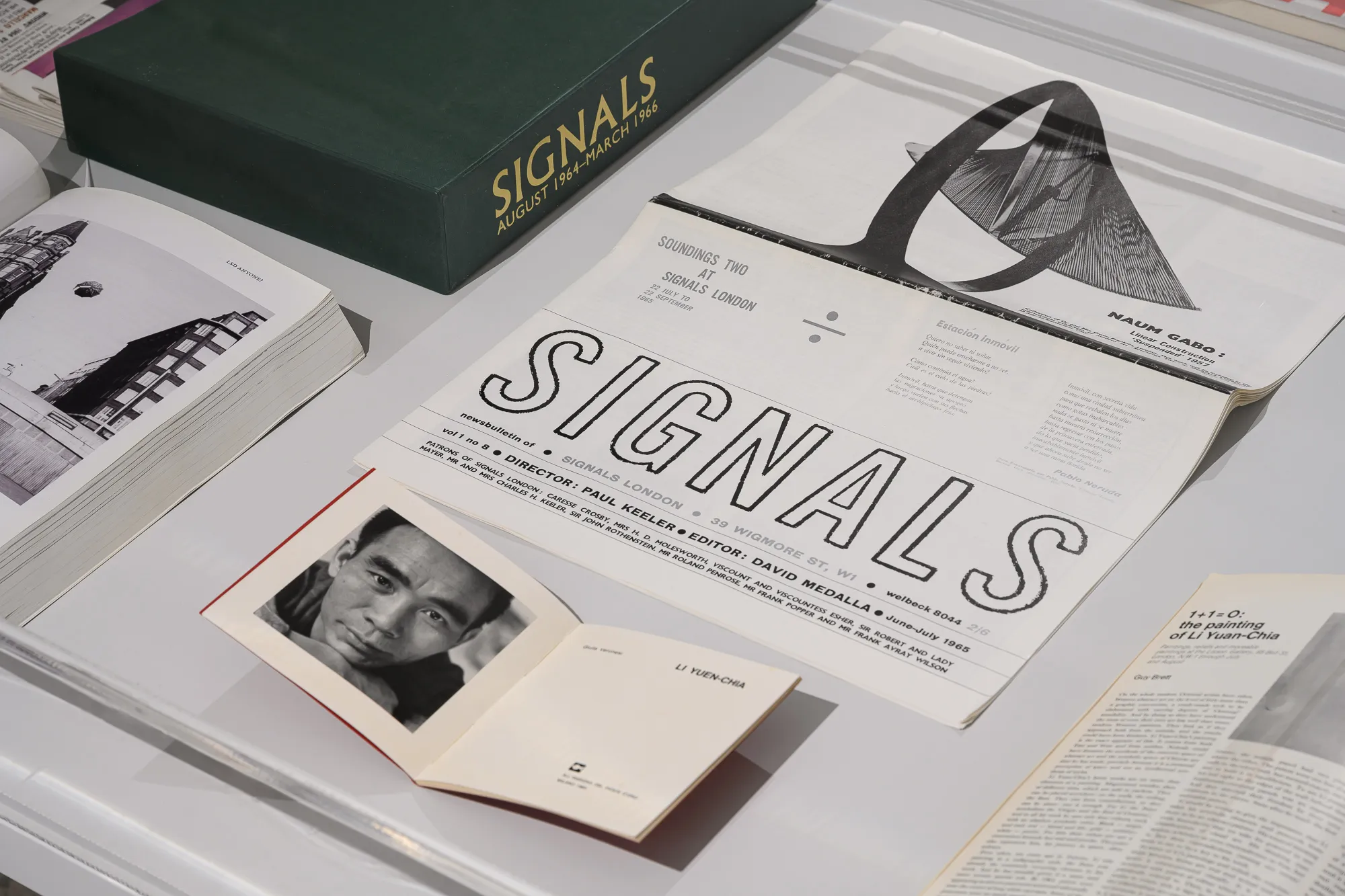
This trajectory continued into his London years (1967–68), when his work moved toward haptic objects, spatial installations, and interactive pieces. Active in one of the few avant-garde communities in Britain centered on non-Western artists, Li was recognized as both a cosmopolitan figure and a pioneer of multiples and participatory art (“Part-Art”) in the UK. In the final 25 years of his life, based in northern England, he single-handedly established the LYC Museum & Art Gallery, which became a significant hub for modern art in the region.
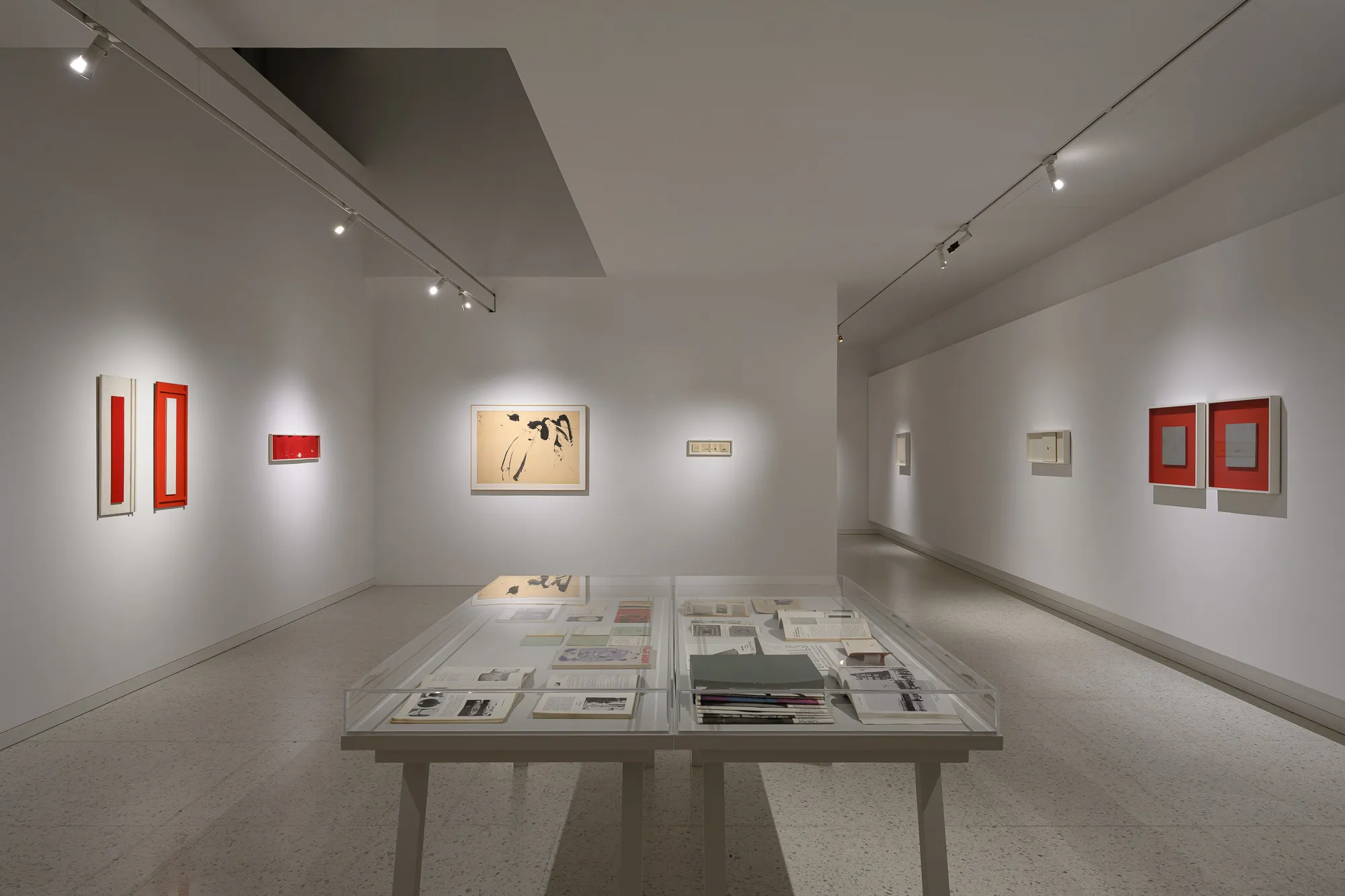
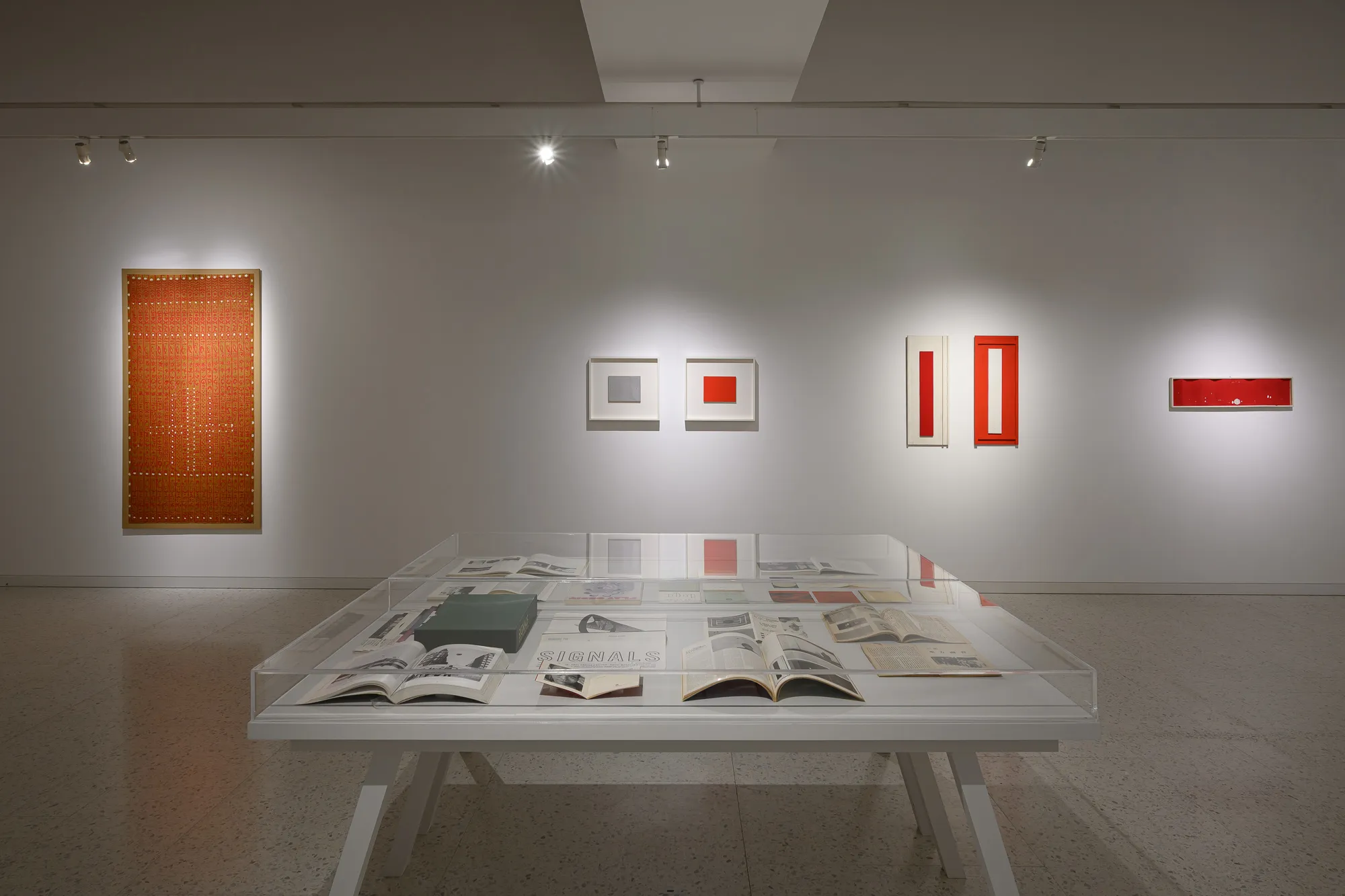
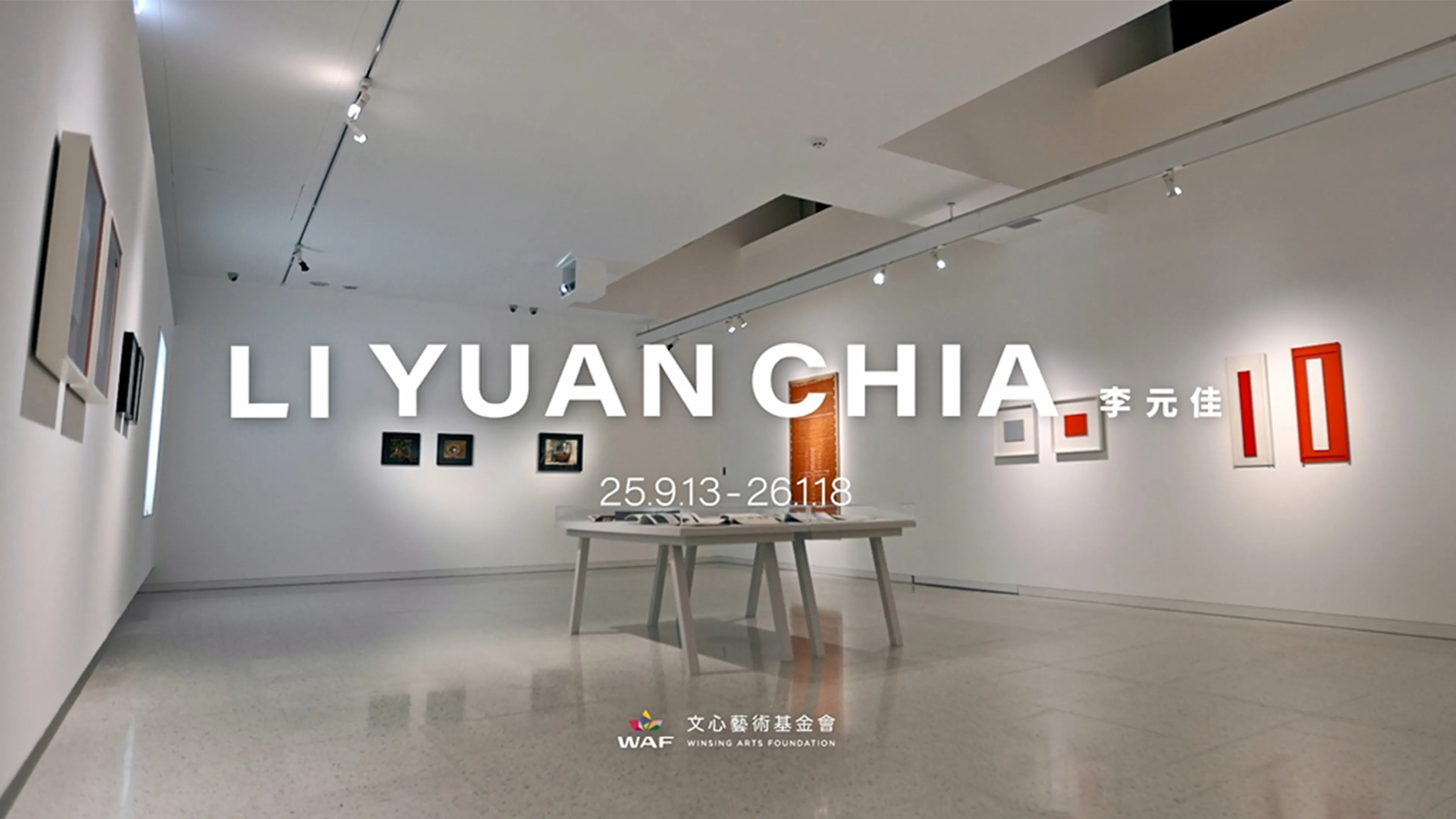
Curated by Wei Yu, the solo exhibition Li Yuan-Chia at Winsing Art Place re-examines the Winsing Arts Foundation’s extensive collection of the artist’s works. On view are pieces from the 1950s to the 1990s, spanning four creative phases in Li’s career in Taipei, Bologna, London, and Cumbria. The exhibition features a wide range of media, including calligraphy, painting, low reliefs, interactive works, hangings, hand tinted photographs, and archival materials. It seeks to reveal the notion of the “point” in Li’s practice—minimalist, mysterious, and rich in haptic suggestion—alongside the spiritually infused cosmological schema that underpins it.