South London Gallery, 2021
Gabriel Orozco: The Orozco Garden at South London Gallery
South London Gallery, 2021
“I started to think about various geometries emerging from the architecture surrounding the space and how they might be re-integrated into it as the basis of a design.”
Mexican artist Gabriel Orozco’s exploration of the circle is expressed not only through painting, photography, sculpture, and installation art. In recent years, he has also sought to bring his study of the circle into large-scale public spaces. In addition to the design project for Chapultepec Park in Mexico, which is scheduled for completion this year, Orozco was commissioned by the South London Gallery in 2016 to conceive the permanent Orozco Garden, introducing the concepts of circles, spheres, and movement into physical space.
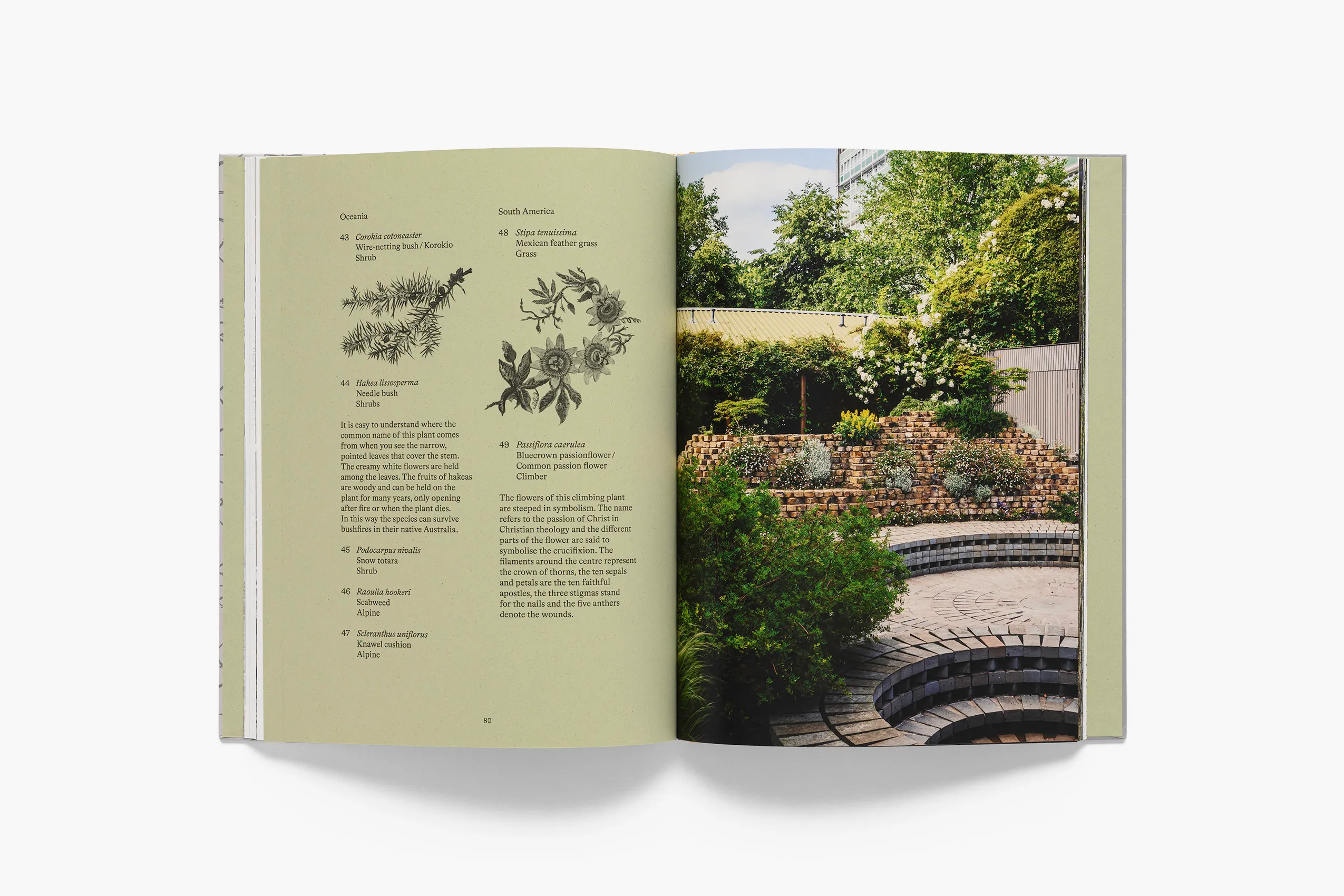
Collaborating with 6a architects and the horticulturists of Kew Gardens in London, Orozco’s Orozco Garden took more than two years to complete and opened to the public in 2016. Prior to this commission, Orozco had never worked on garden design. He incorporated the recurring motif of circles from his creative work in the garden’s layout, transforming the paved, hard-to-access area behind the South London Gallery’s main building into a unique work. Orozco used brick-sized York stone to outline interweaving circles, reflecting movement and fluidity, and through subtle variations in form and height, to divide the space into different activity zones. Each zone is planted with distinct vegetation or includes water features, giving each circle its own character. Some of the York stones used in the garden were taken from the gallery’s original Victorian building. Over time, the plants grow naturally, as the artist intended, resonating with the garden’s design concept based on urban ruins and blending harmoniously with the surrounding environment.
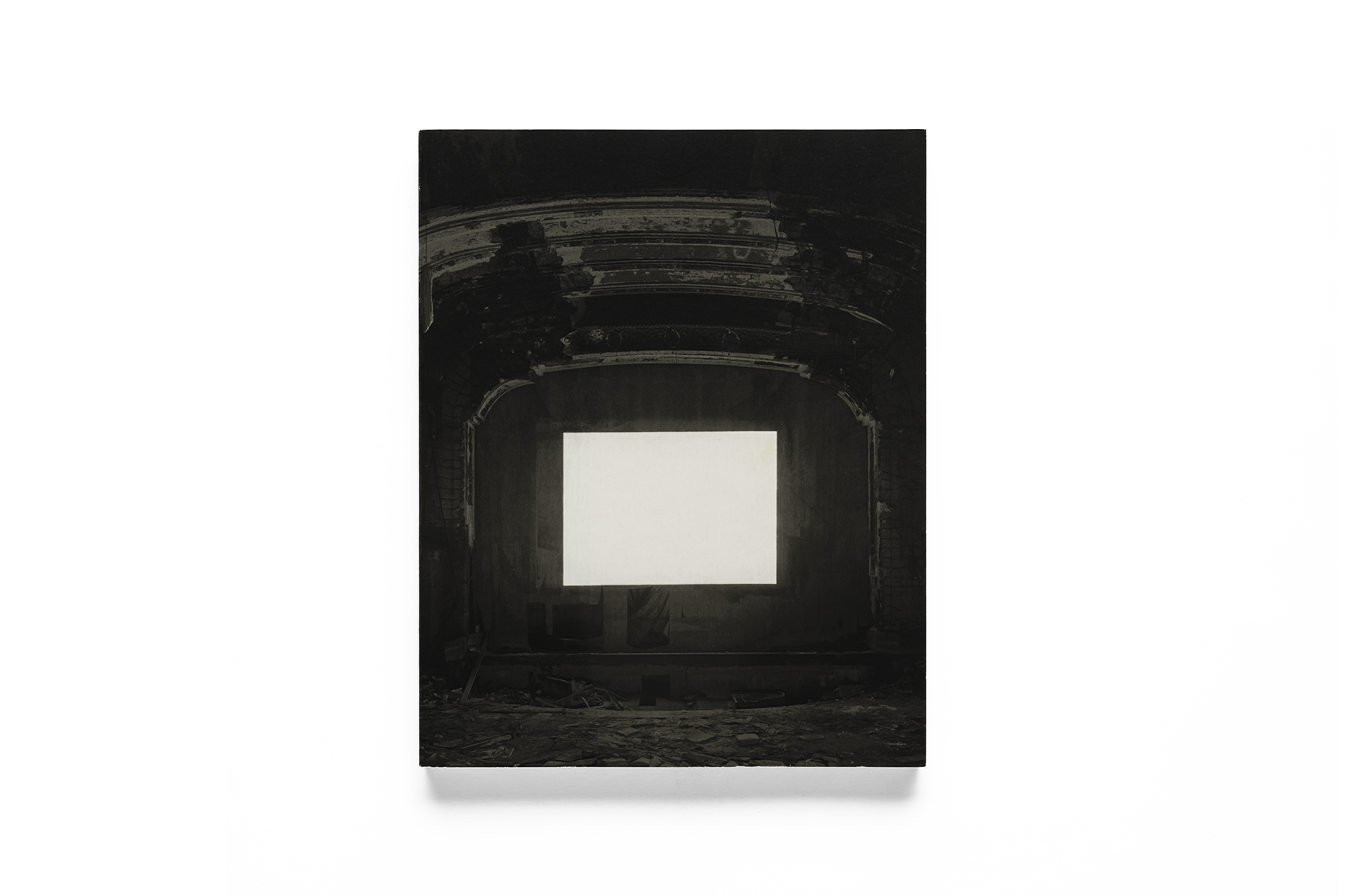
This publication, Orozco Garden, was released five years after the garden project, providing a complete record of the garden’s design process. The front and back covers are printed in intaglio on two different tones of recycled paper, echoing the York stones used in the space. At the end of the book, a planting plan and index are included, detailing the locations and characteristics of the vegetation with illustrations.