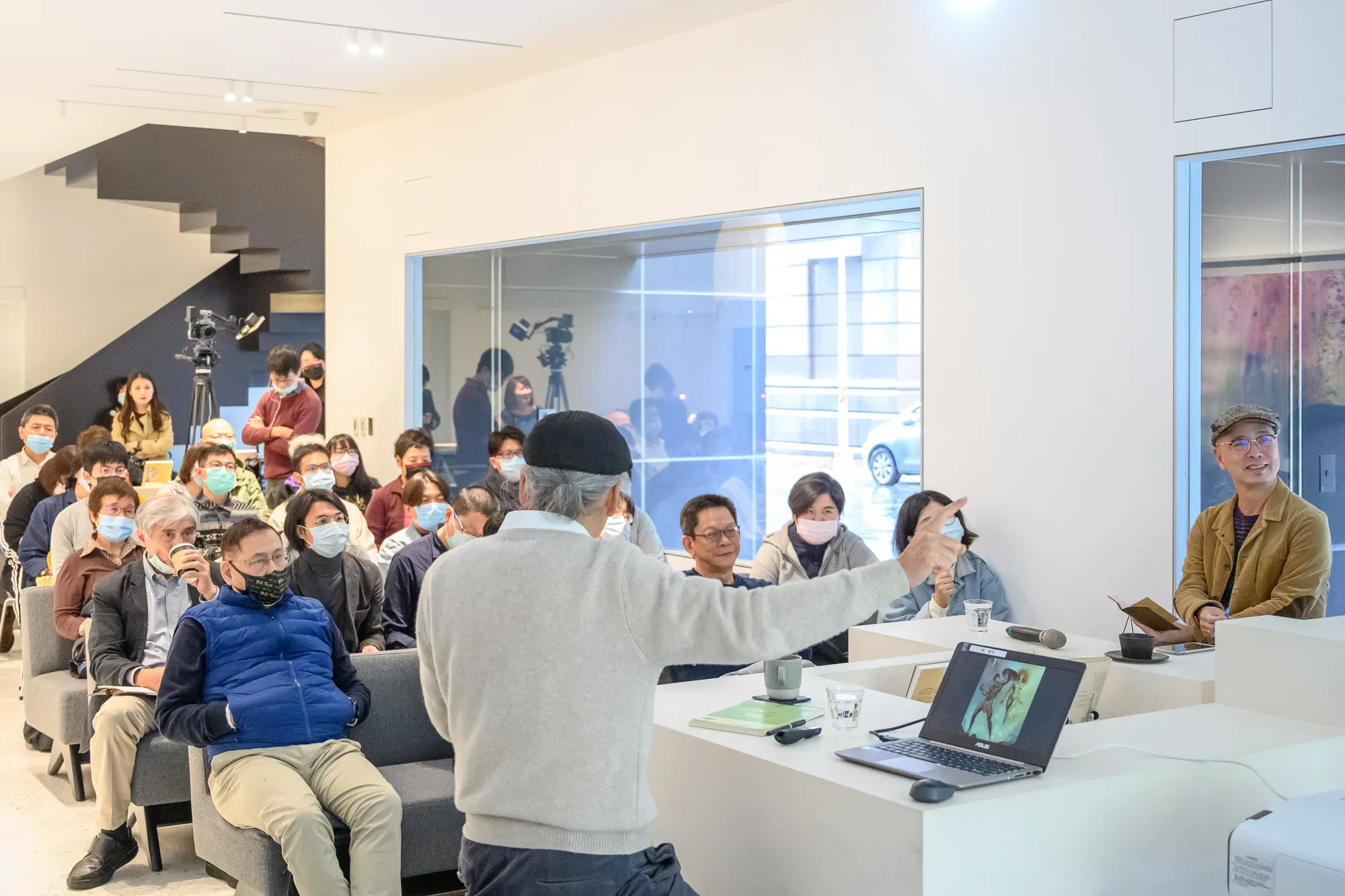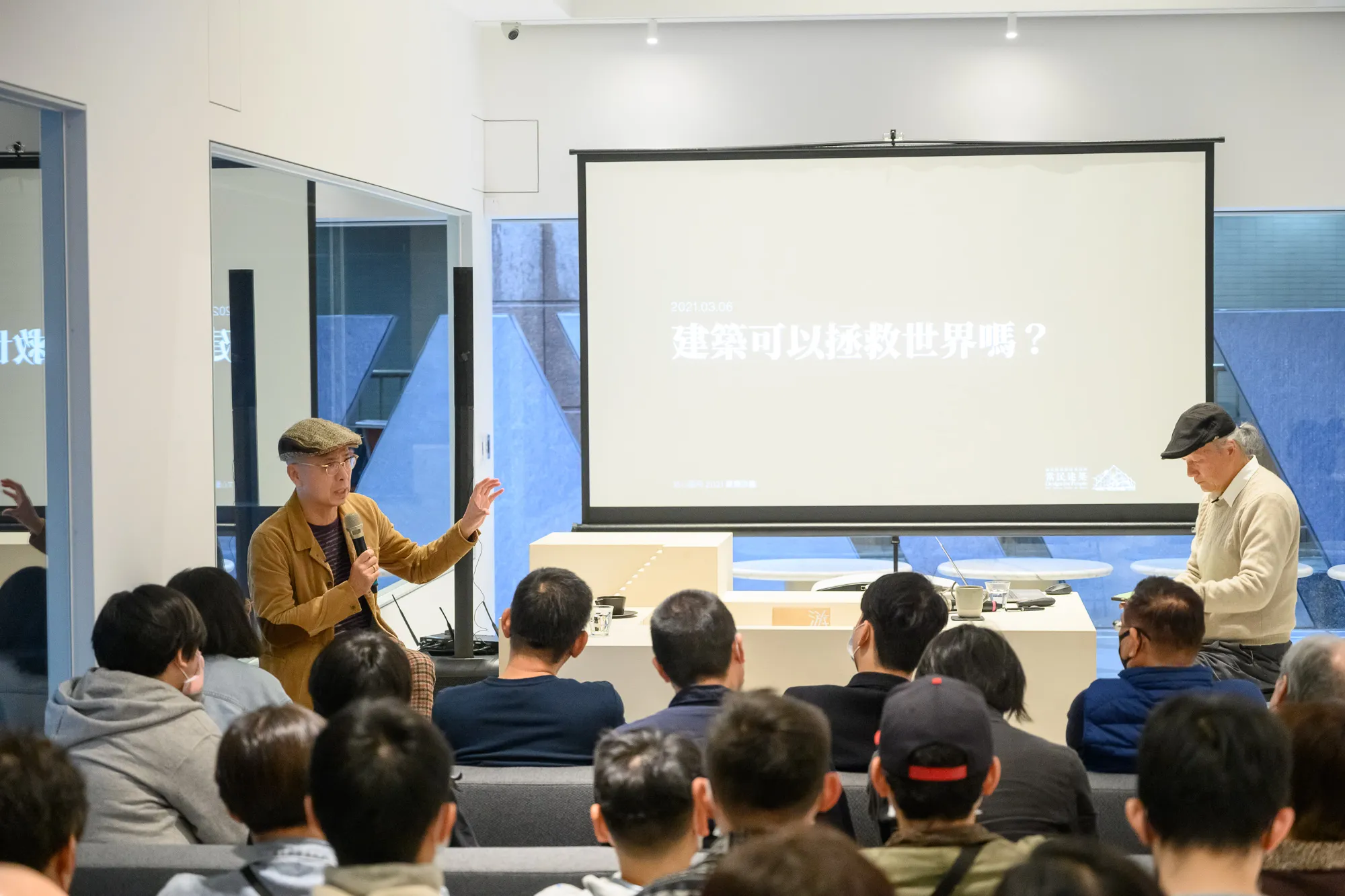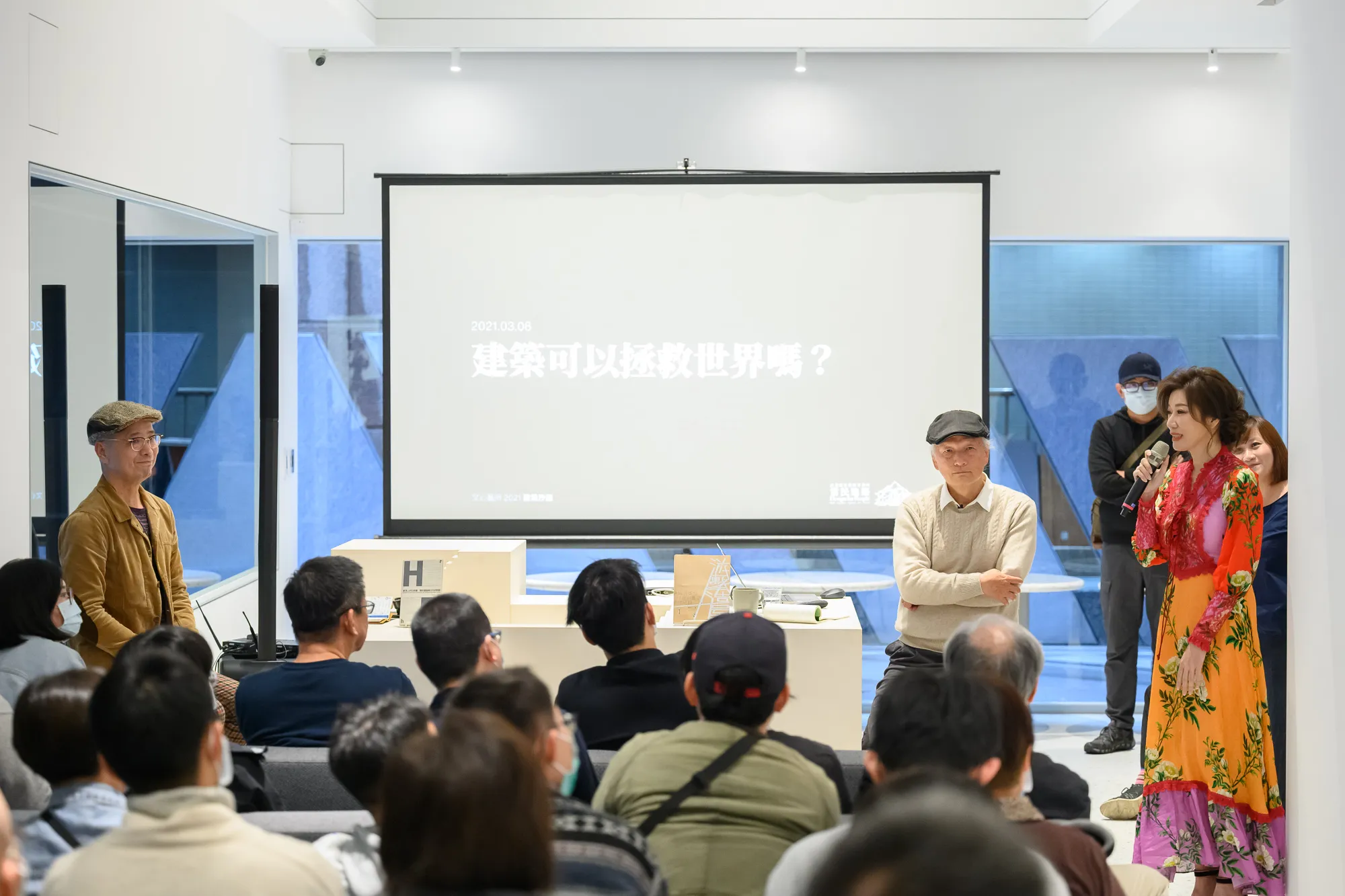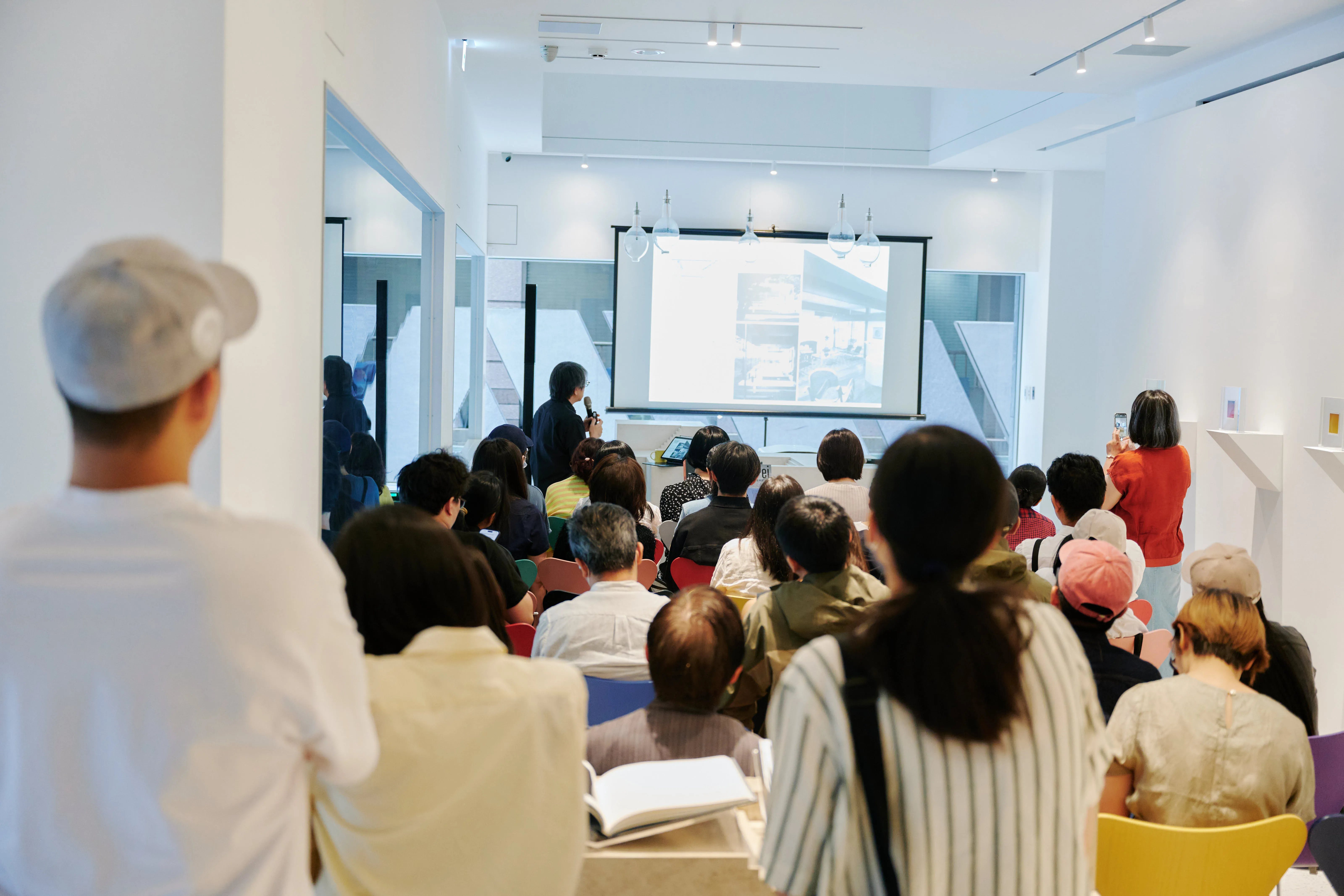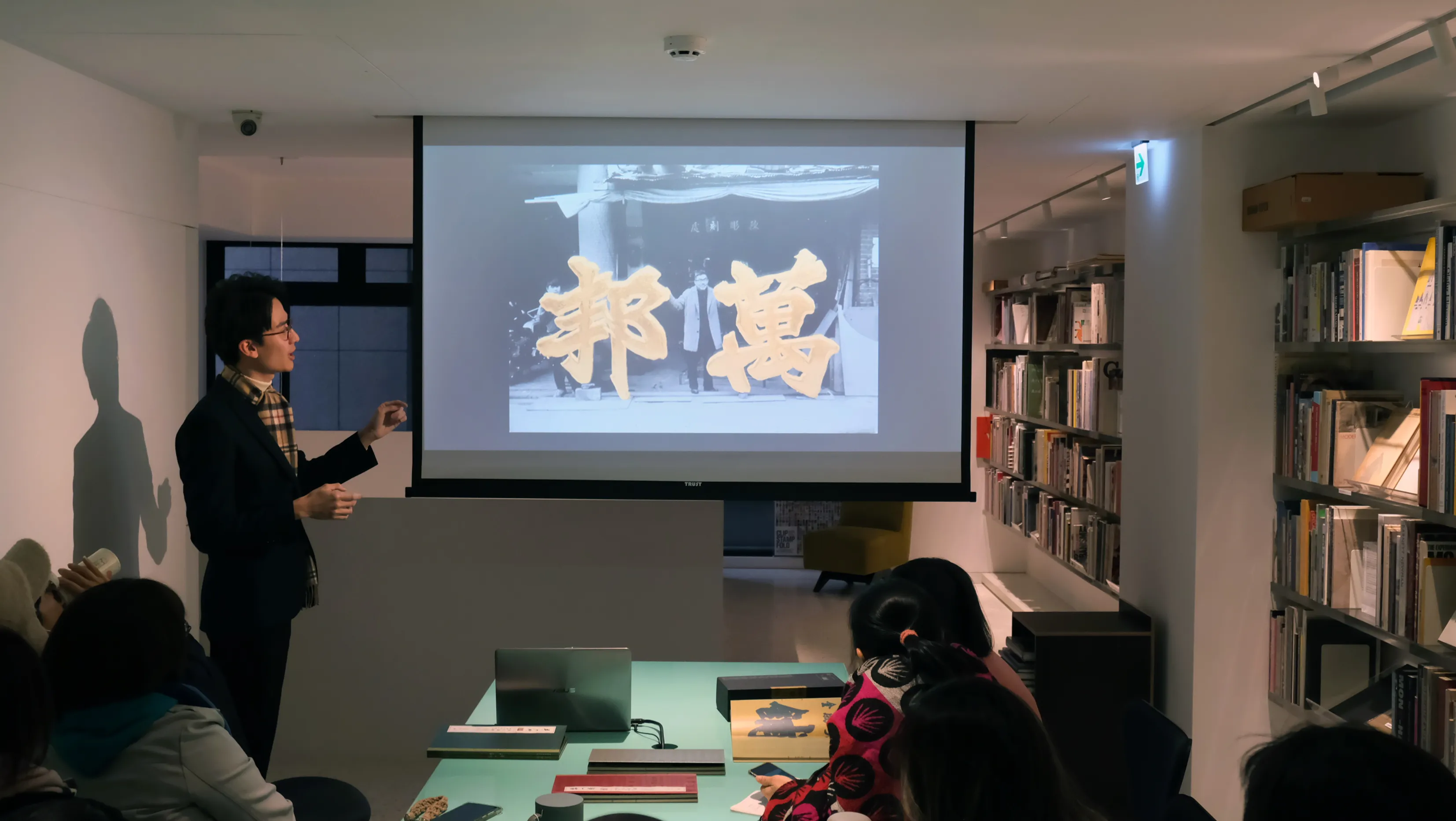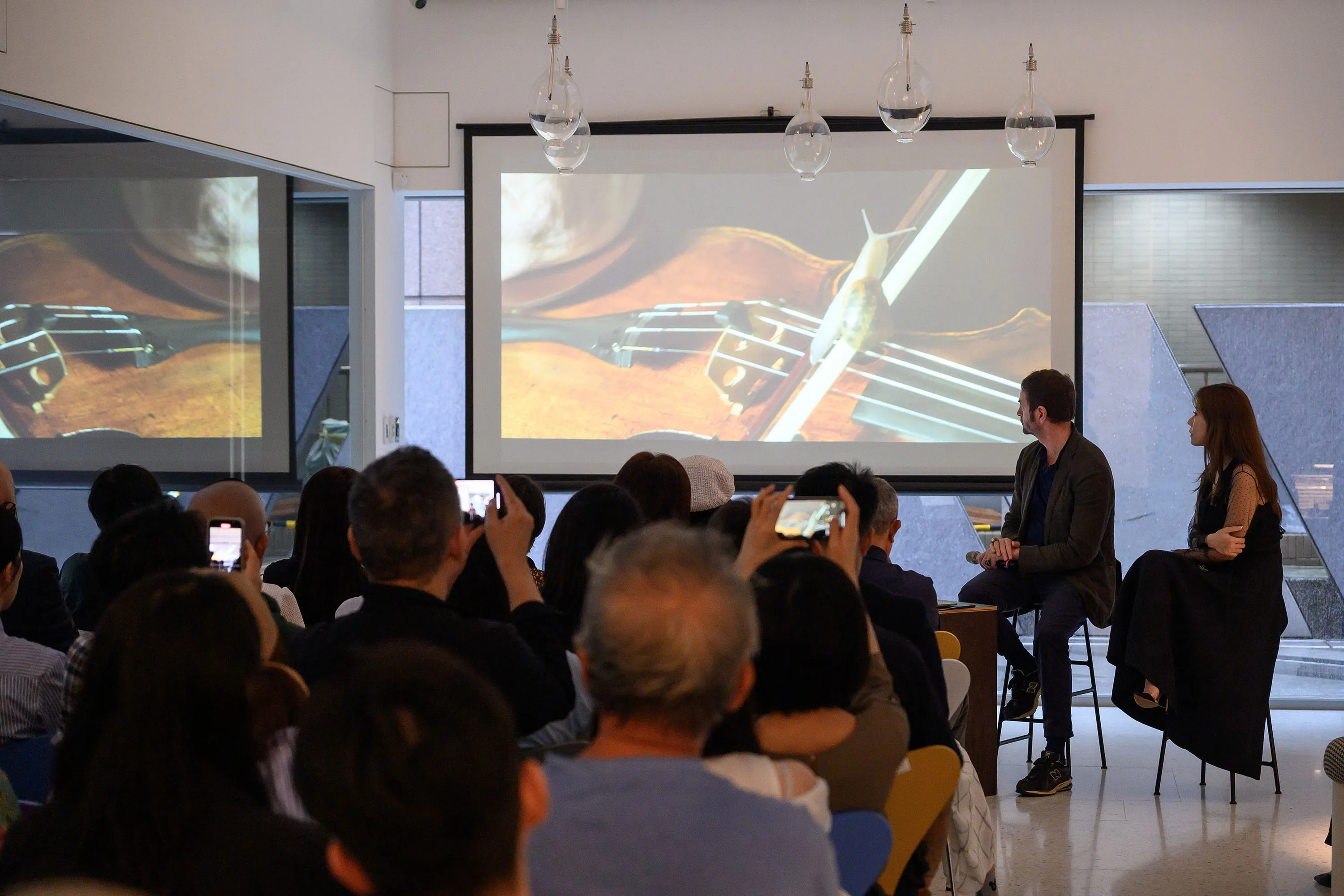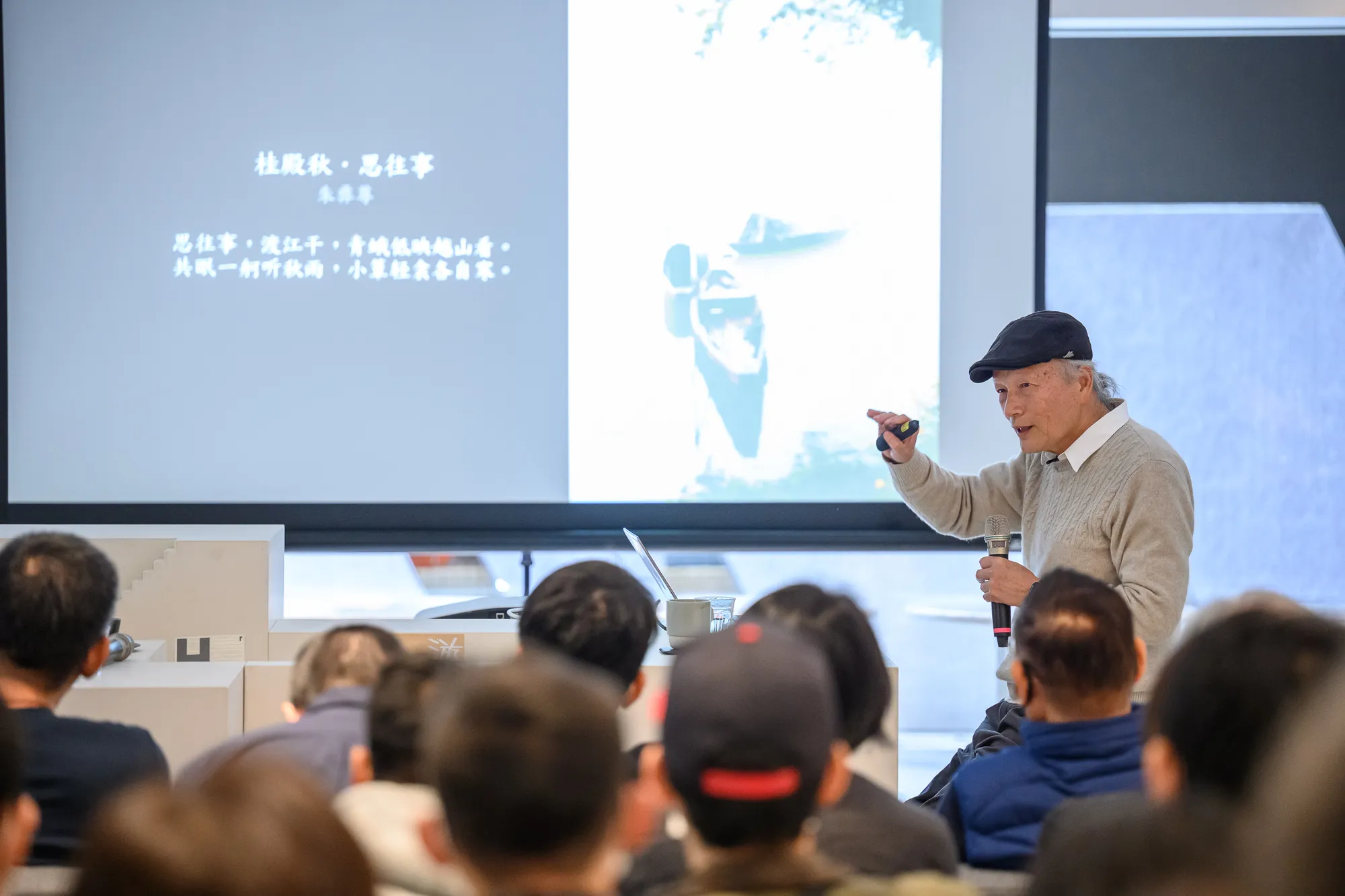
Architecture Salon| Can Architecture Save the World?—Aesthetics: From “Creation Out of Blankness” to “As If All Were Dilapidated Ruins”
Speakers
Ying-Chun Hsien Master Architect, Atelier-3
Ching-Yueh Roan Architect, Curator, Writer
Location
Winsing Art Place (No. 6, Lane 10, Lane 180, Section 6, Section 6, Minquan East Road, Neihu District, Taipei City)
Sessions
◆ 3/06 Aesthetics: From "Well-Governed Ground" to "Such Ruins and Decayed Walls"
3/13 Common People's Architecture: From People's Buildings to People's Cities
3/20 Action / Non-Action: From "Intersubjectivity" to "Participatory Architecture"
3/27 Imagining Future Civilizations: Tribe, Community, Sustainability
Processes
Presentation: 45 minutes
Panel Discussion: 45 minutes
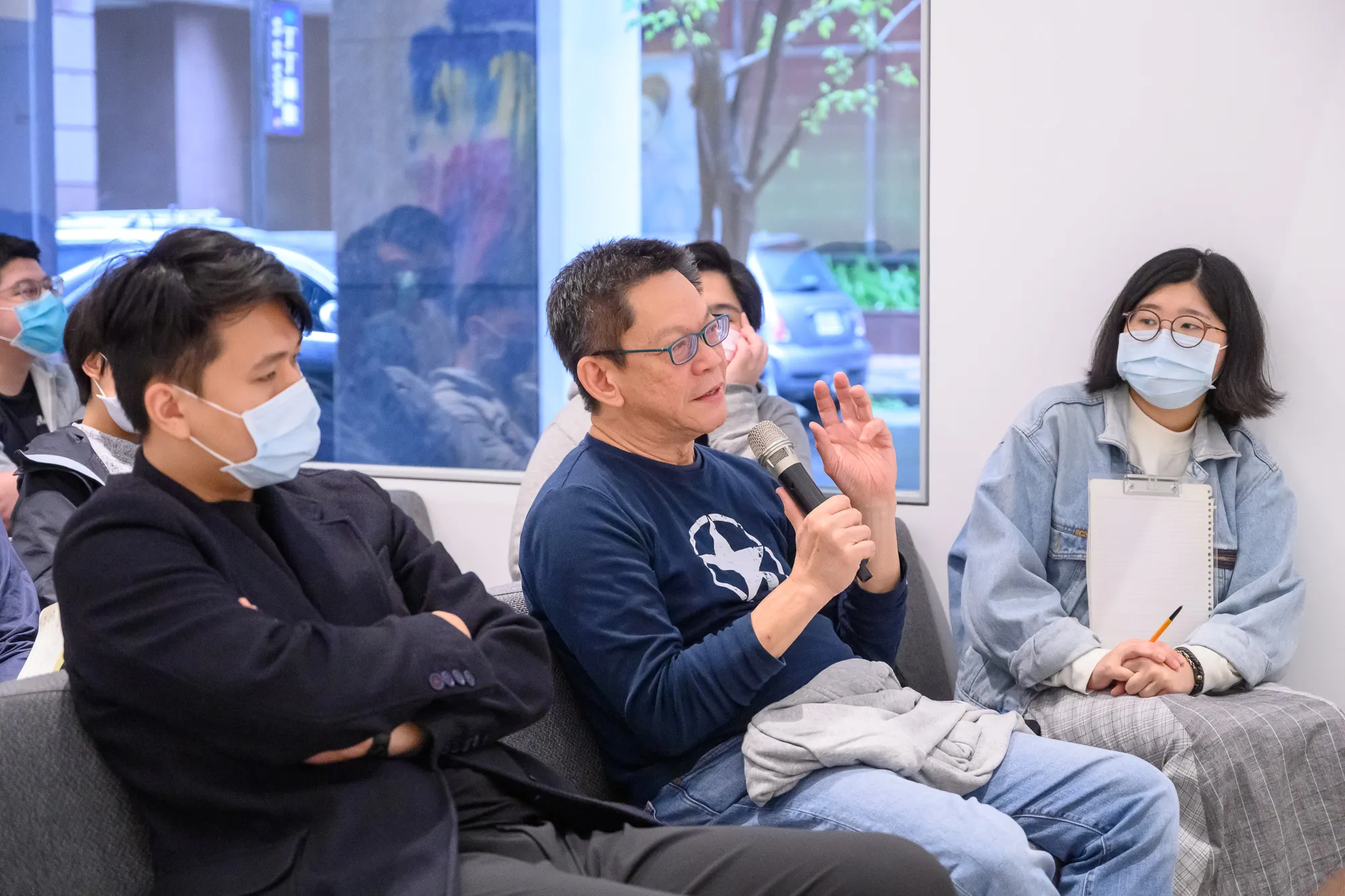
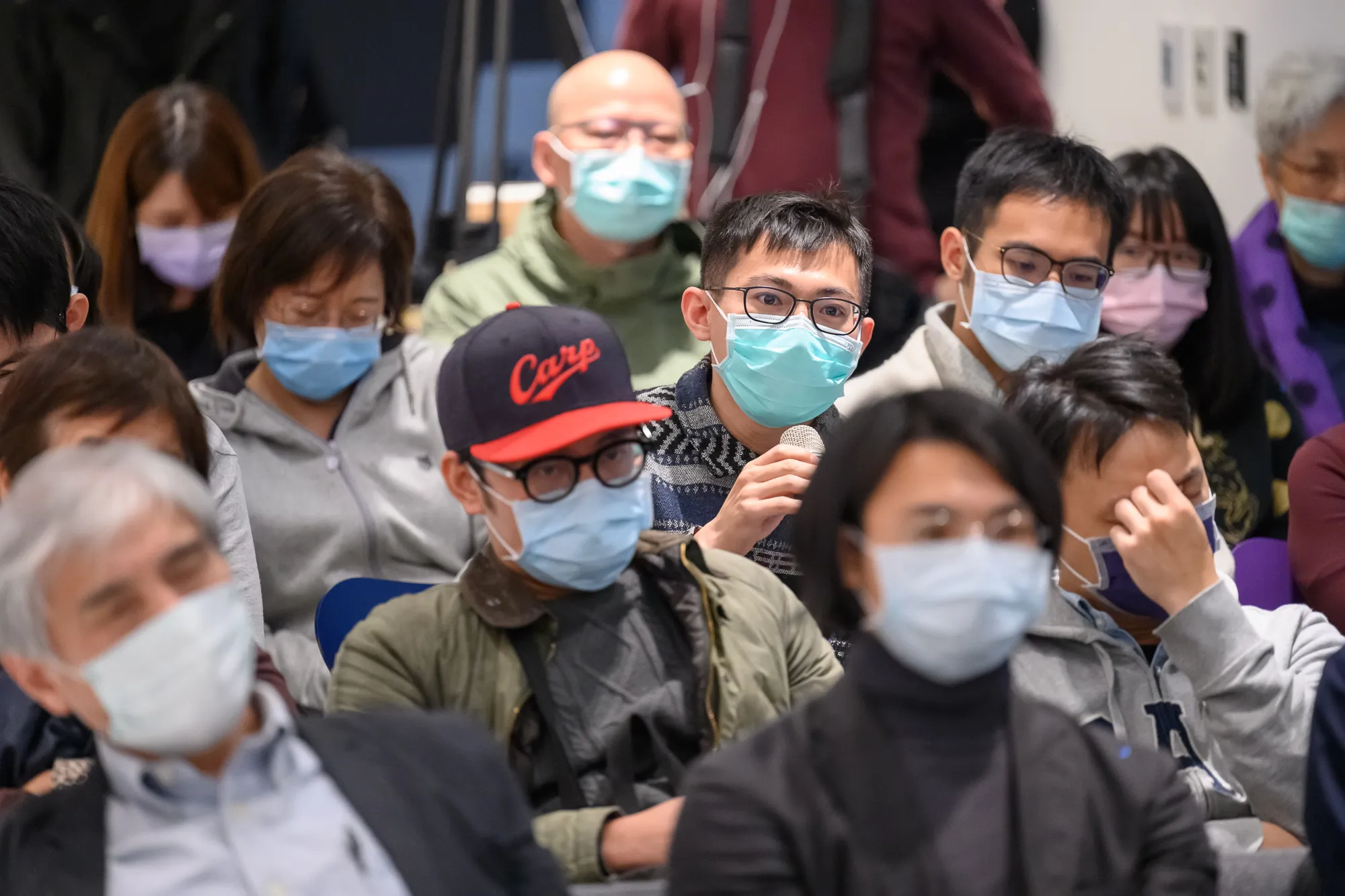
Q&A: 30 minutes
Fee
Single session: 500 NTD; Four-session package: 1,800 NTD. Students receive a 20% discount per session upon presentation of a valid student ID (must be shown at the door).
The event fee is valid as a 150 NTD credit toward book purchases at the bookstore on the day of the event upon presentation of the receipt.
Event Content
Following the 921 Earthquake, Hsieh collaborated with the Thao people to rebuild homes. He not only spearheaded fundraising and construction but also insisted on employing low-tech methods in this mechanized age, respecting labor regardless of gender or age. He believed that any individual or family could, through neighborhood mutual aid, indeed build their own homes.
Drawing on this earthquake recovery experience, Hsieh actively ventured into unfamiliar, impoverished rural areas in China to empower farmers in need to build their own homes. Following the 2008 Wenchuan earthquake, he led the reconstruction of Yangliu Village in the mountainous Mao County—home to ethnic minorities like the Tibetan and Qiang peoples—rebuilding over 50 households. He involved the Qiang villagers in the construction process, prioritizing the restoration or continuation of their traditional beliefs, rituals, and community identity as the core objectives of the architectural endeavor.
The fundamental difference between Hsieh and other architects lies in his approach: while employing industrialized construction methods, he avoids reliance on high-tech solutions and specialized materials. He insists on simplifying materials and construction processes, sourcing natural, ecological materials like stone and bamboo locally whenever possible. Through simple, low-tech, affordable, and mutual-aid methods, he encourages communities to build their own homes. Moreover, involving users in the construction process not only reduces costs but also builds self-esteem and confidence among marginalized groups through participation. This practical building system critiques and offers solutions to the current dominance of capital and technology in architecture.
At a time when star architects are seen as the very essence of the profession, Hsieh’s emergence and actions compel us to rethink architecture’s social purpose—even prompting reflection on whether architecture can save the world.