.webp)
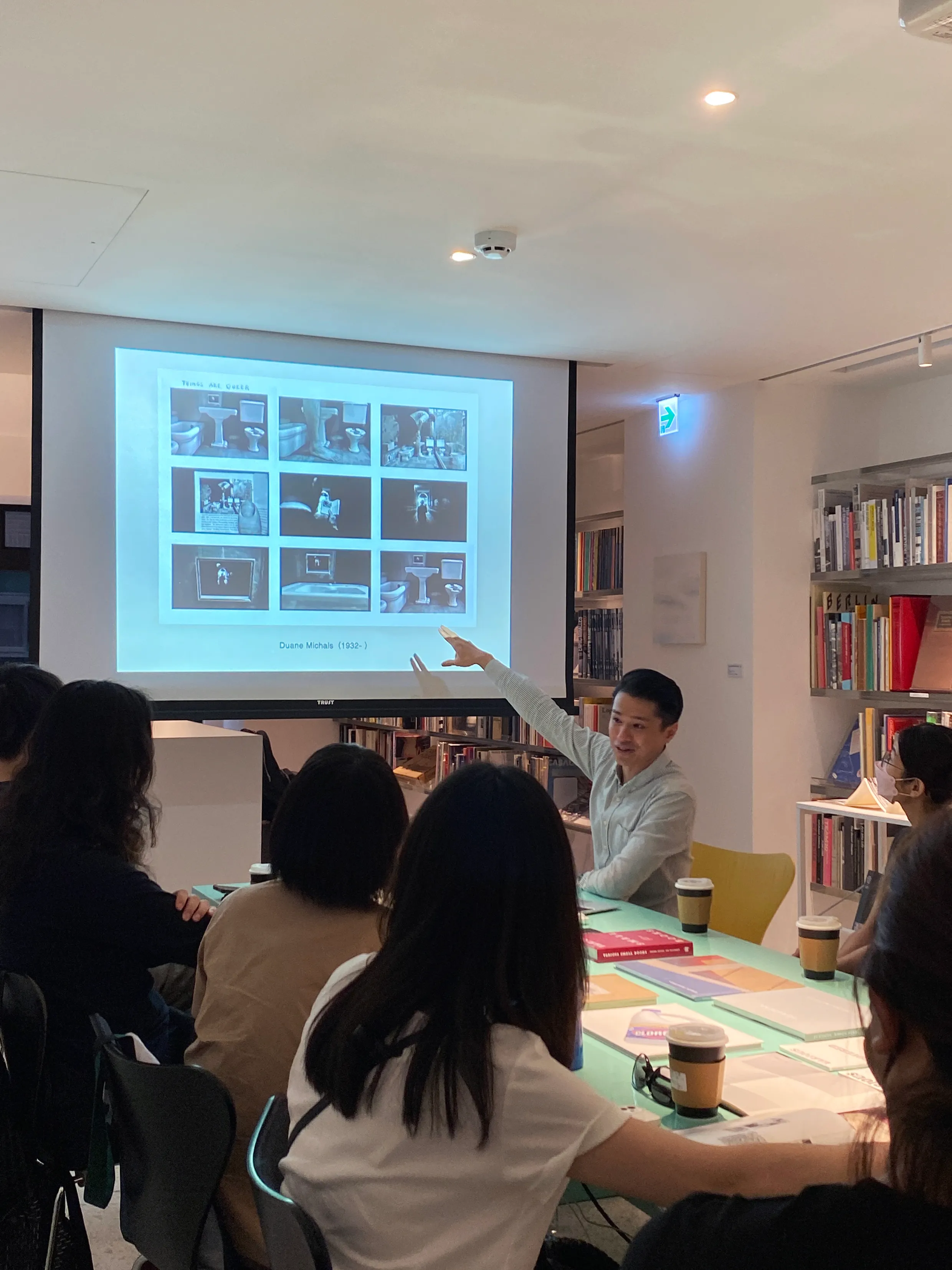
BOOKTALKS|Artists’ Books Series — Ed Ruscha
Speaker
Yin-Chin Tsai Art Book Researcher and Independent Curator
Location
Winsing Art Place (No. 6, Lane 10, Lane 180, Section 6, Section 6, Minquan East Road, Neihu District, Taipei City)
Fee
$500 (including bookstore entrance fee and a cup of Pour-over coffee)
Introduction
The Art Place Salon invites Yin-Chin Tsai, founder of PAPER MATTER, to serve as its annual book curator and collaborates on the “Artists’ Books Series,” a lecture program featuring works from the Winsing Art Space collection. The lecture series centers on in-depth discussions of individual artists whose works explore spatiality through artists’ books, spanning pioneers from the 1960s and 1970s to contemporary artists who continue to practice through publishing. Through hands-on examination and content analysis of artists’ books—considered both a medium and media—the lecture series will analyze how their physical structure and generative logic function as mutually complementing elements or nodes within creative projects. In essence, the lecture series asks: Why do artists make books? How do their concepts flow through these works, making them, as theorist/curator Lucy Lippard posited, the optimal materials for reaching the public?
“I want to be the Henry Ford of book making.” — Ed Ruscha
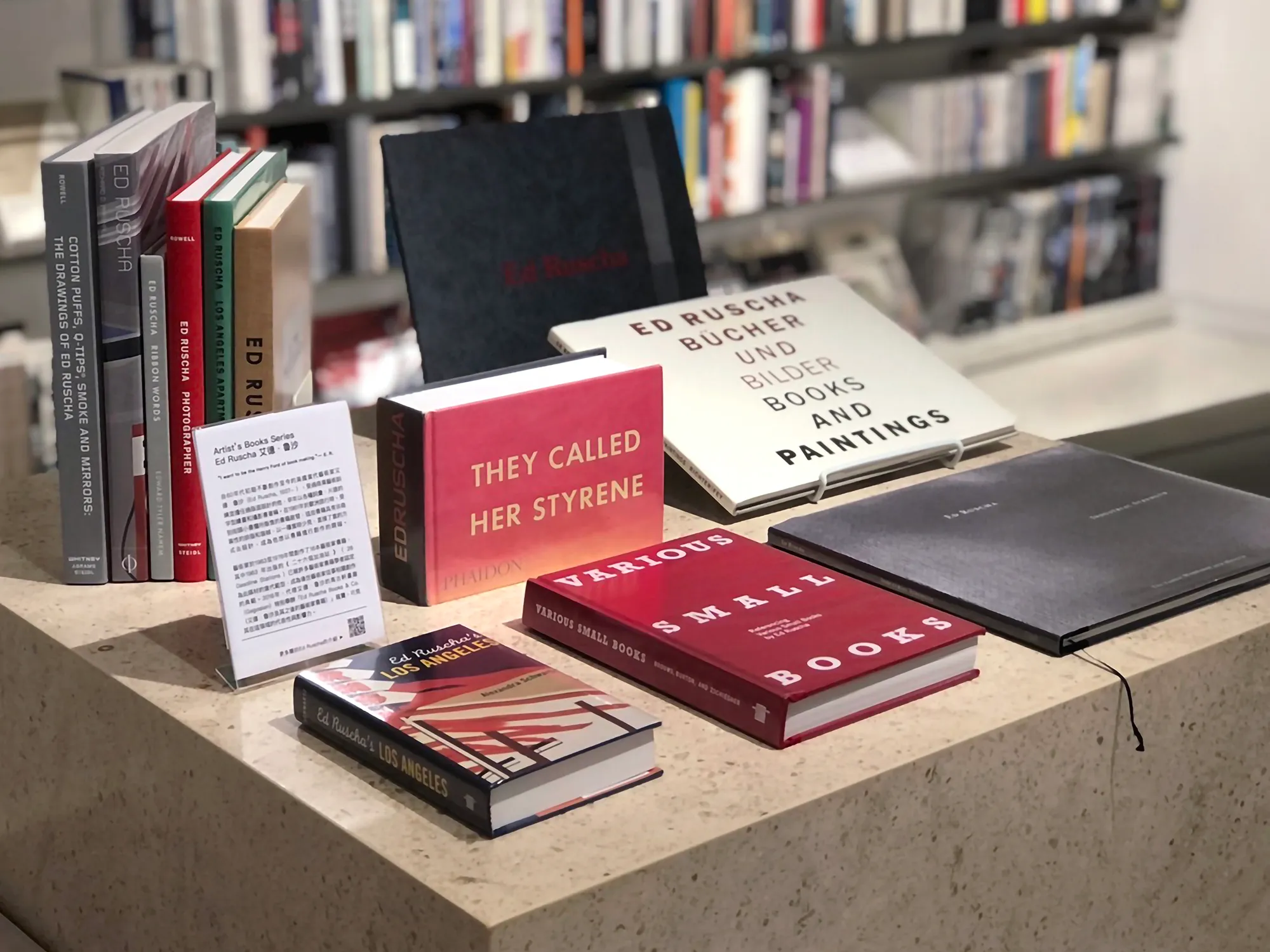
American artist Ed Ruscha (1937–) was inspired to conceive the idea of using books as conceptual vehicles after visiting Europe in 1961. There, he saw books displayed for sale in what he termed “small street stalls,” characterized by their “non-commercial appearance and a rare, clear design.” This experience, coupled with his role as art director for the magazine Artforum from 1965 to 1969, deepened his fascination with the medium of paper and its capacity for public dissemination, fueling his ambition to become the Henry Ford of bookmaking.
Historically, his work 26 Gasoline Stations (1963) has been recognized by numerous scholars of artist’s books as a contemporary paradigm for the medium, setting a standard for subsequent artists’ related creations. Fifty years after its publication, Gagosian Gallery, representing Ed Ruscha, organized the exhibition Ed Ruscha Books & Co., which underscored the artist’s representativeness and influence in this field.
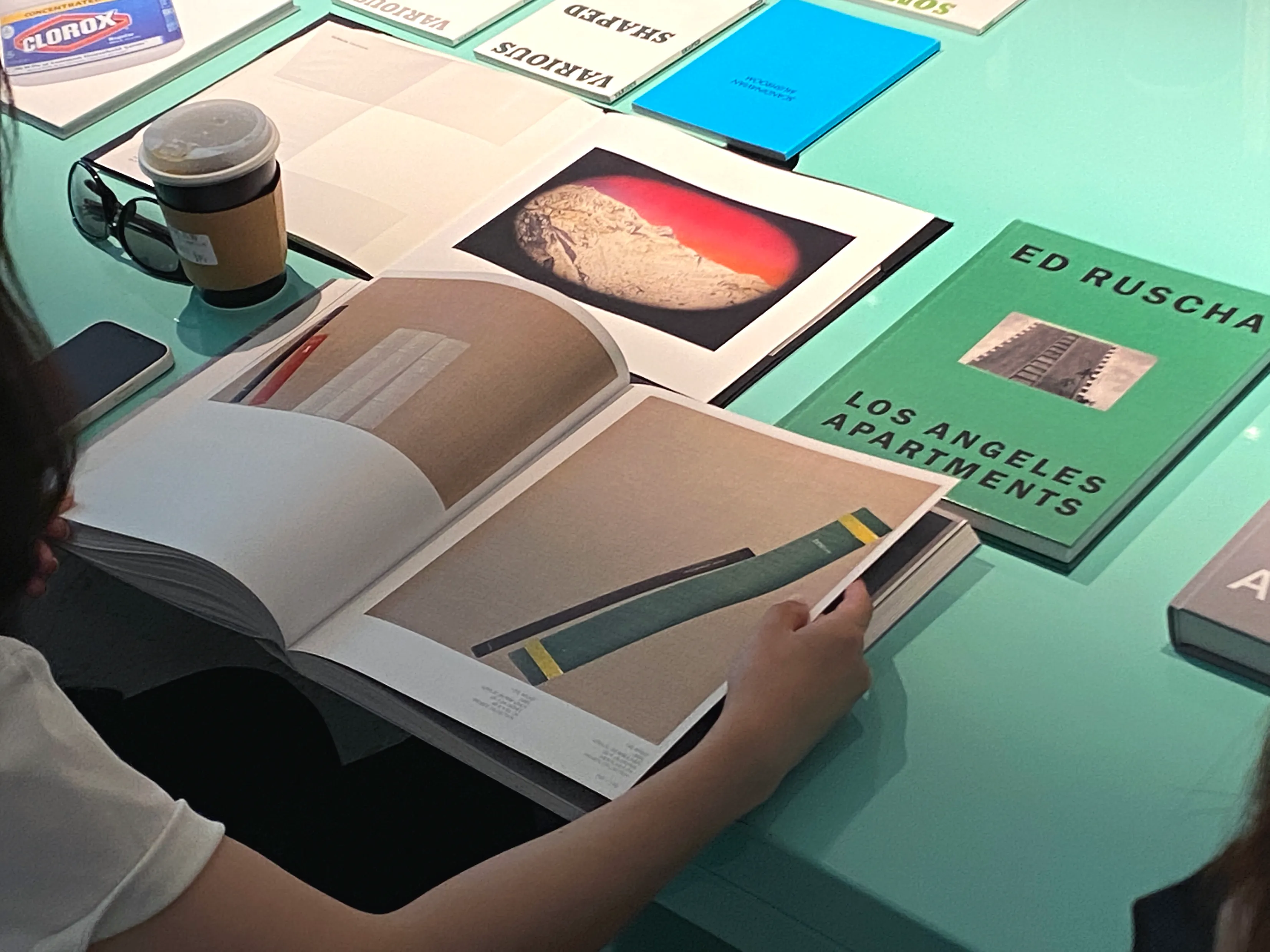
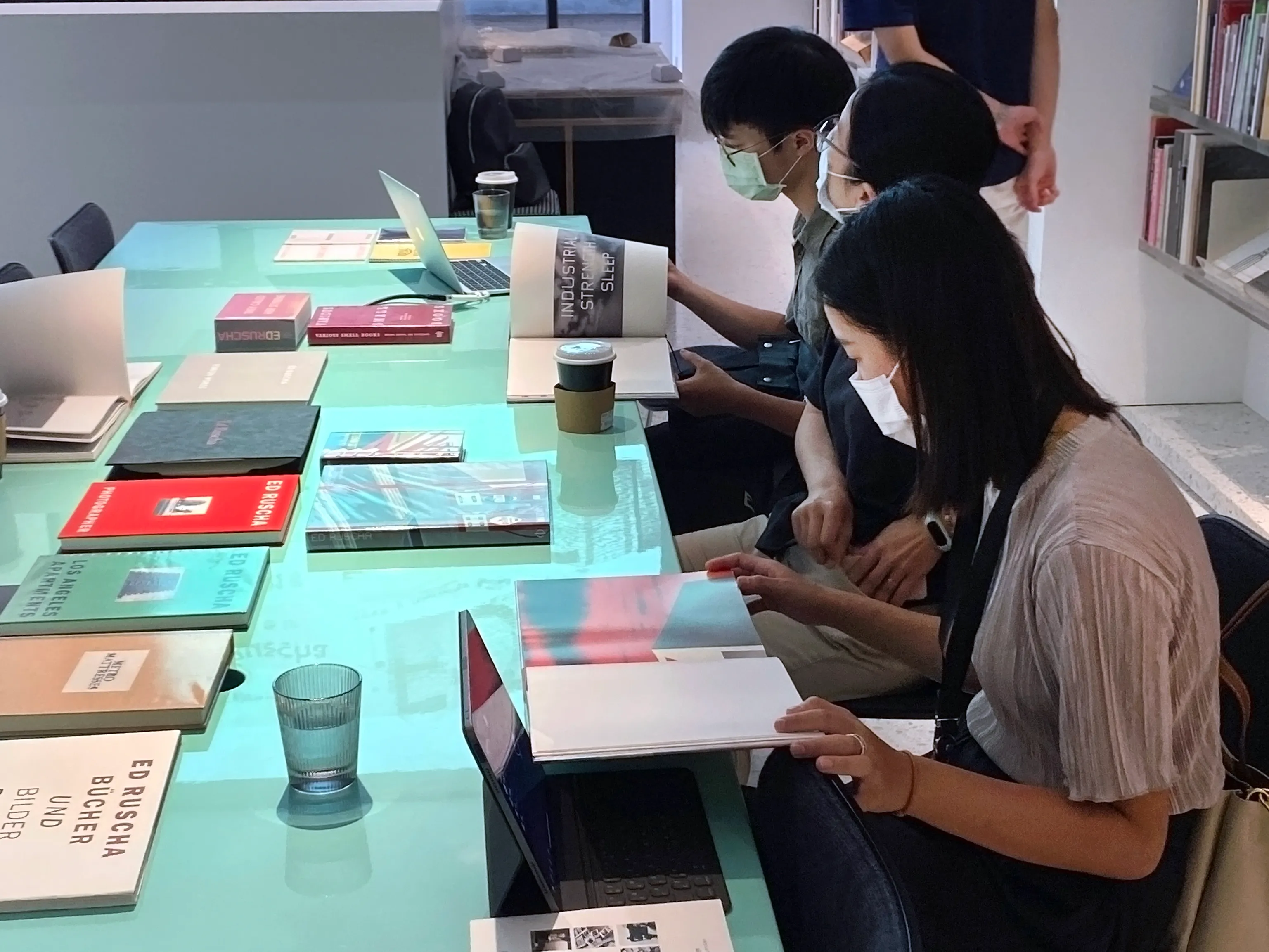
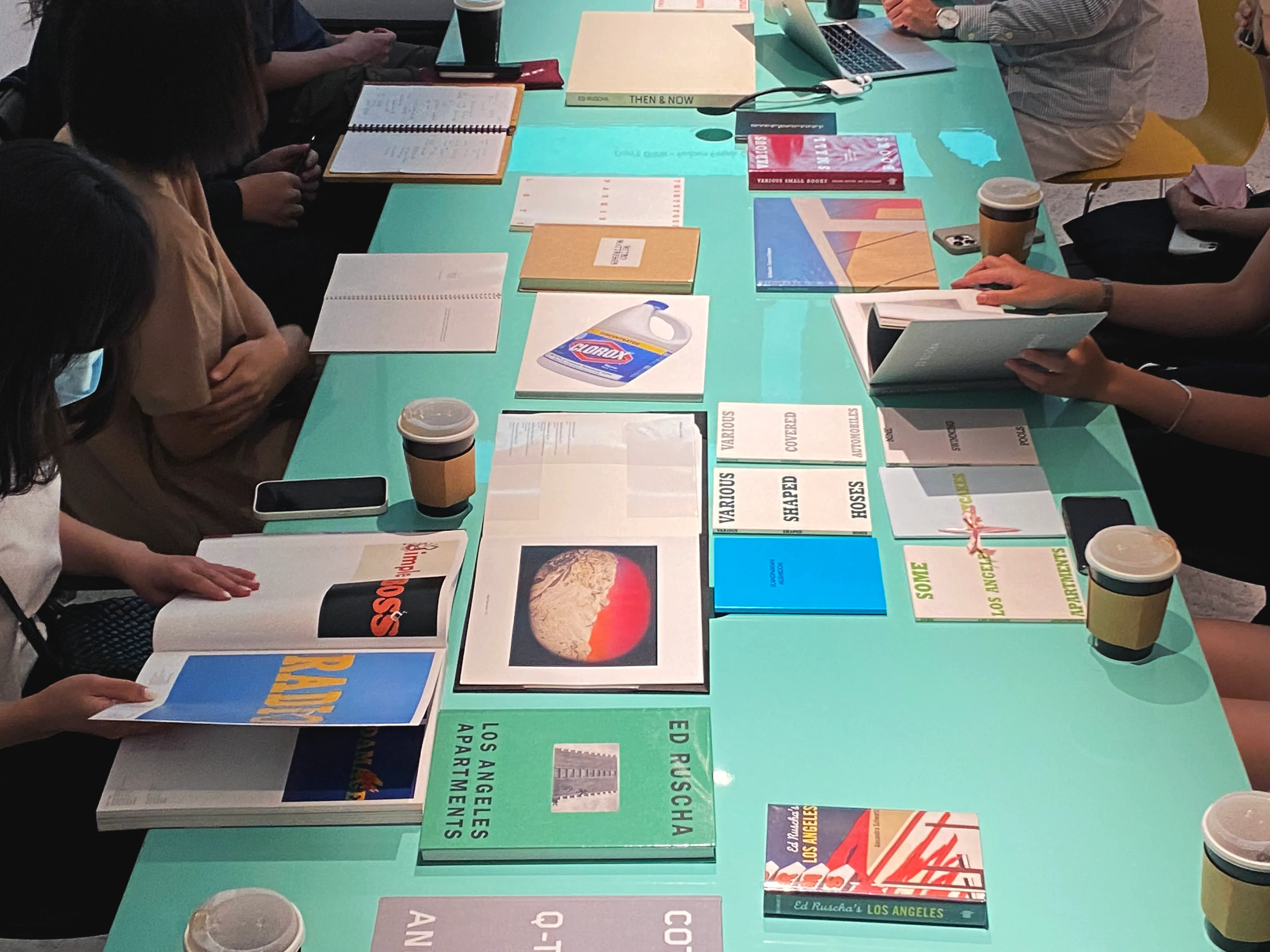
This lecture will analyze the relationship between the 16 artist’s books Ed Ruscha created between 1963 and 1978, along with the paintings closely associated with them. Rooted in commercial art training and living in sunny California, Ruscha incorporated numerous visual codes from consumer society and Hollywood culture into his books. The content will be presented within the contextual frameworks of Pop Art, Conceptual Art, and Minimalism, delving deeply into Ed Ruscha’s work, its influence, and the origins of contemporary artists’ books. Additionally, participants will have the rare opportunity to browse original works from the bookstore’s collection at the Winsing Art Place.
.webp)