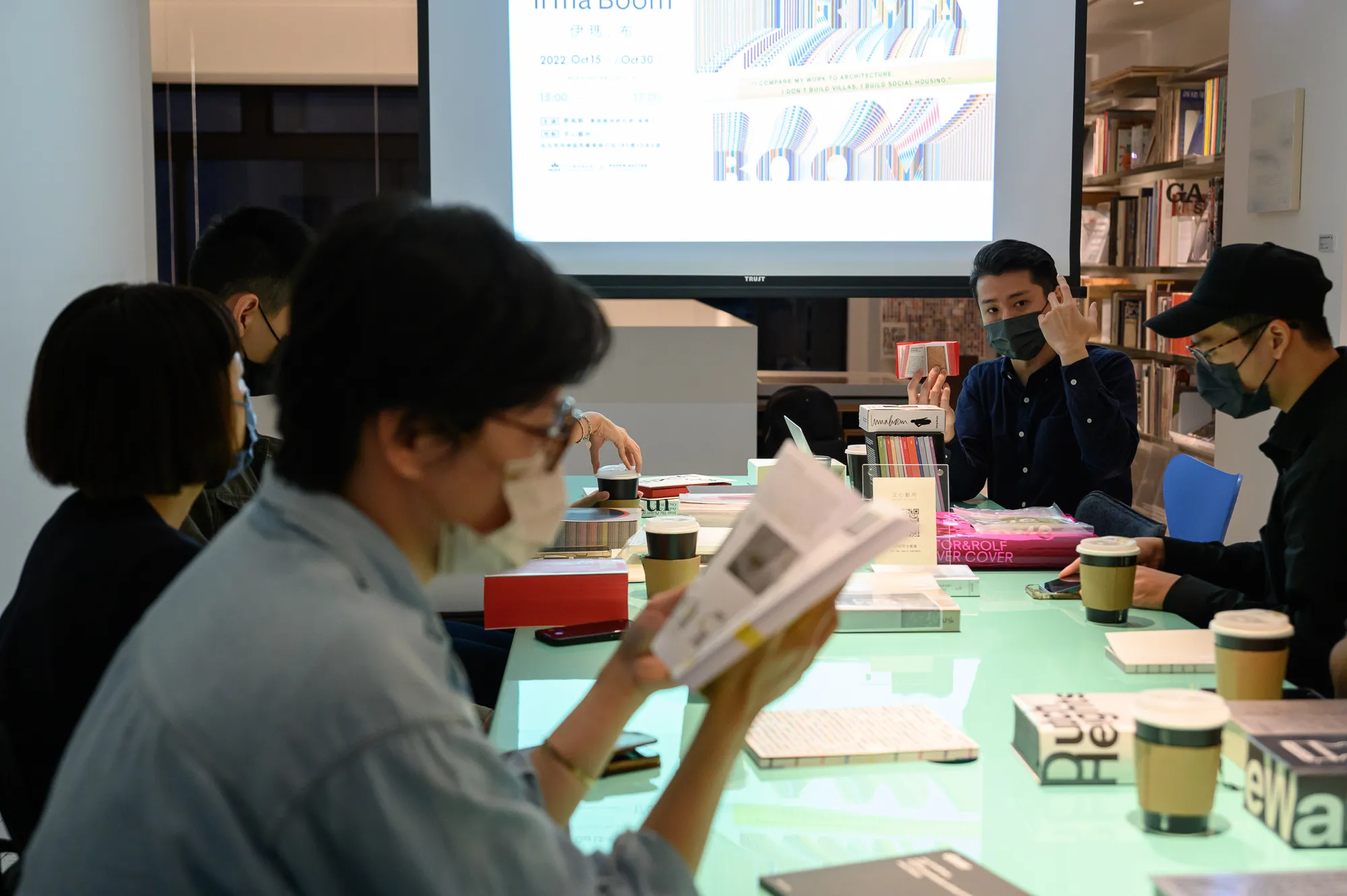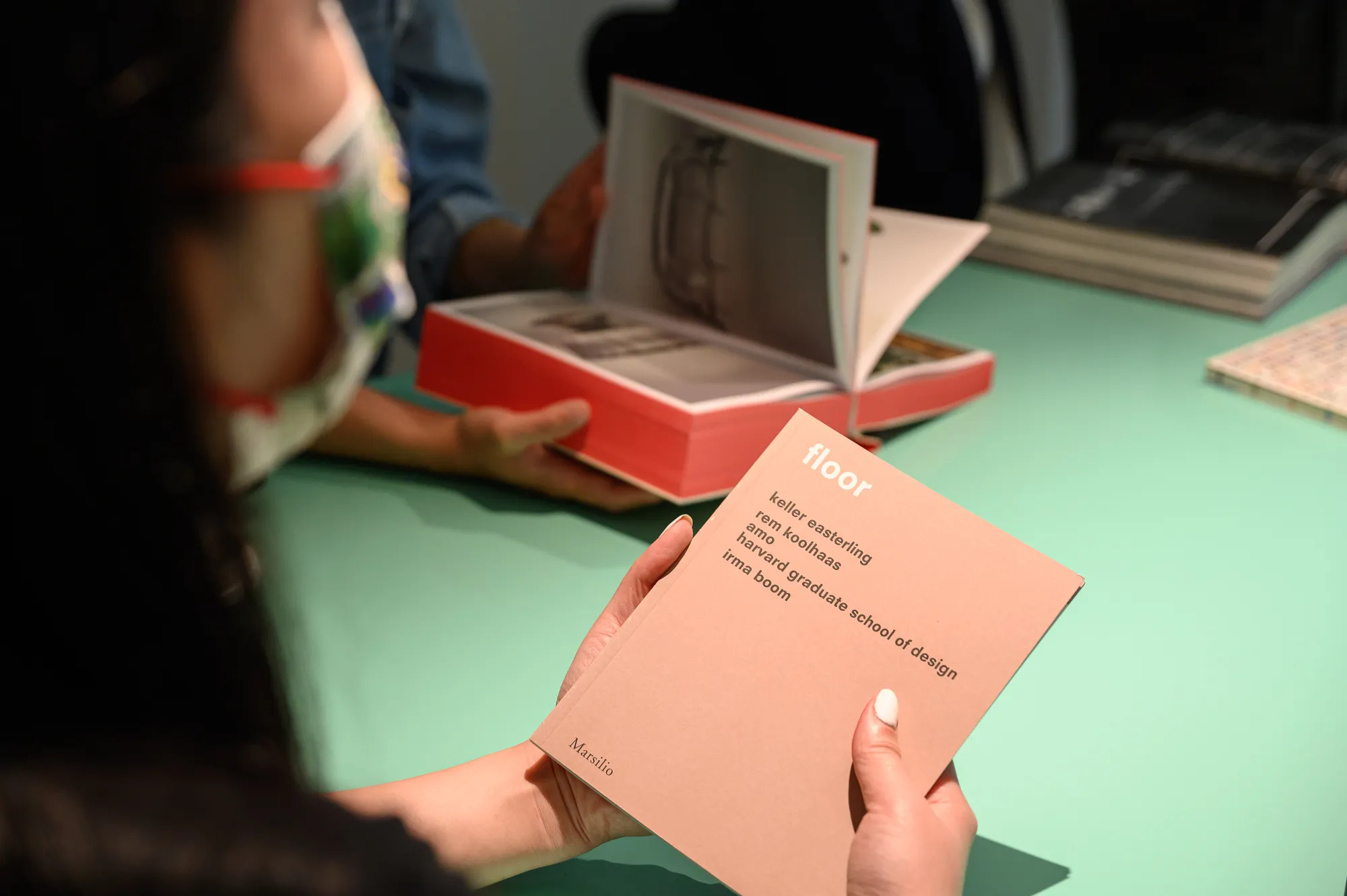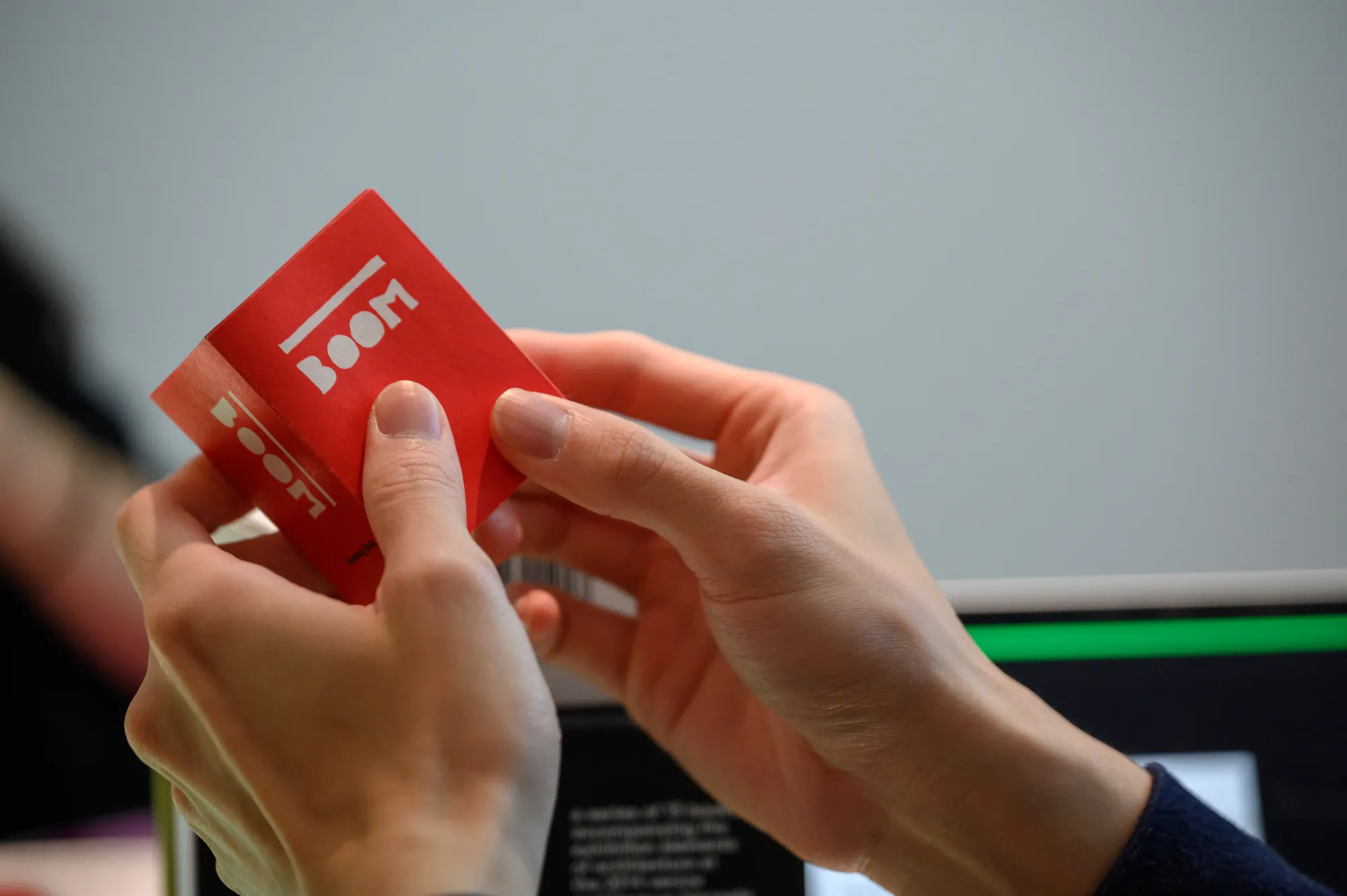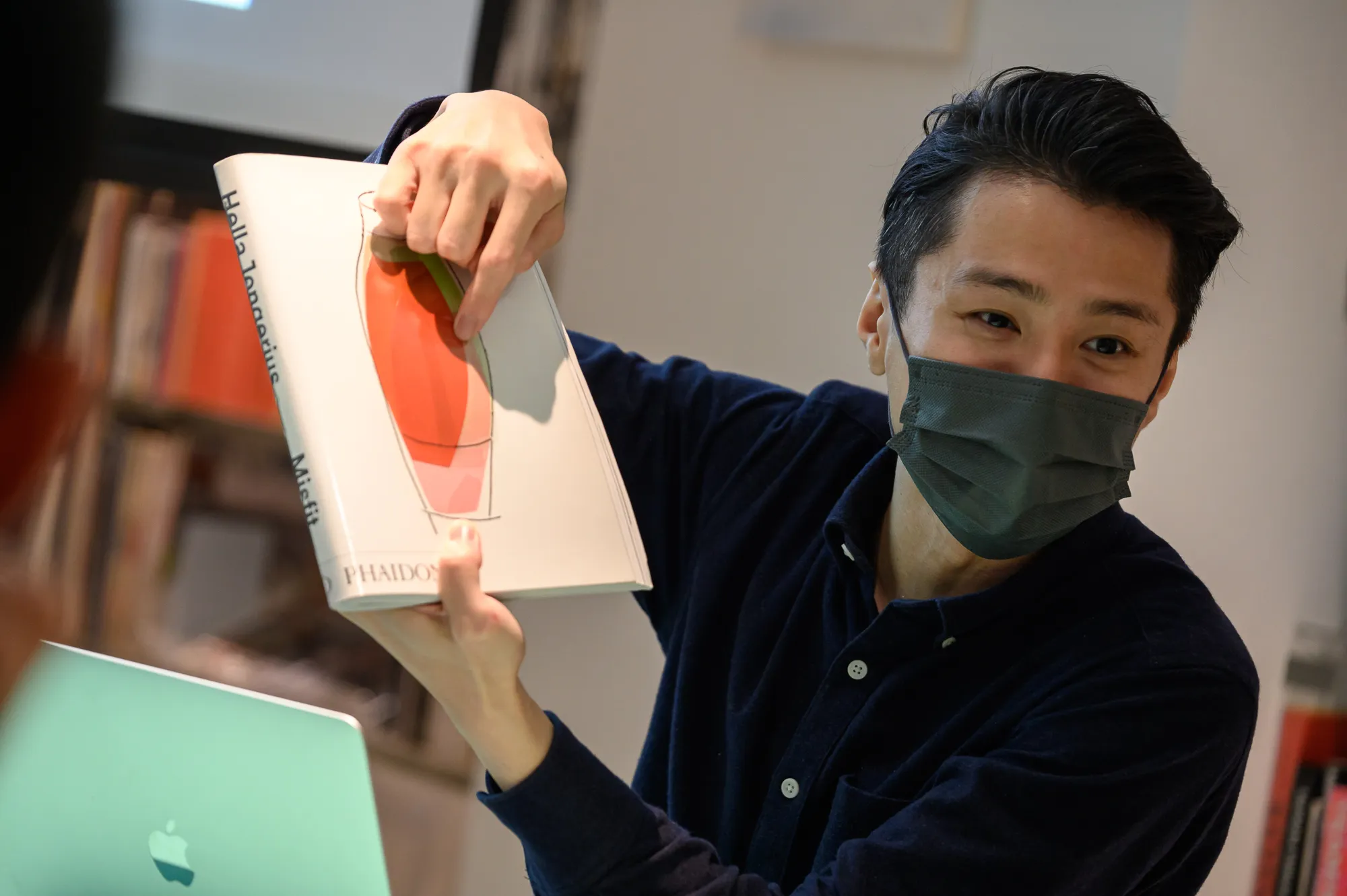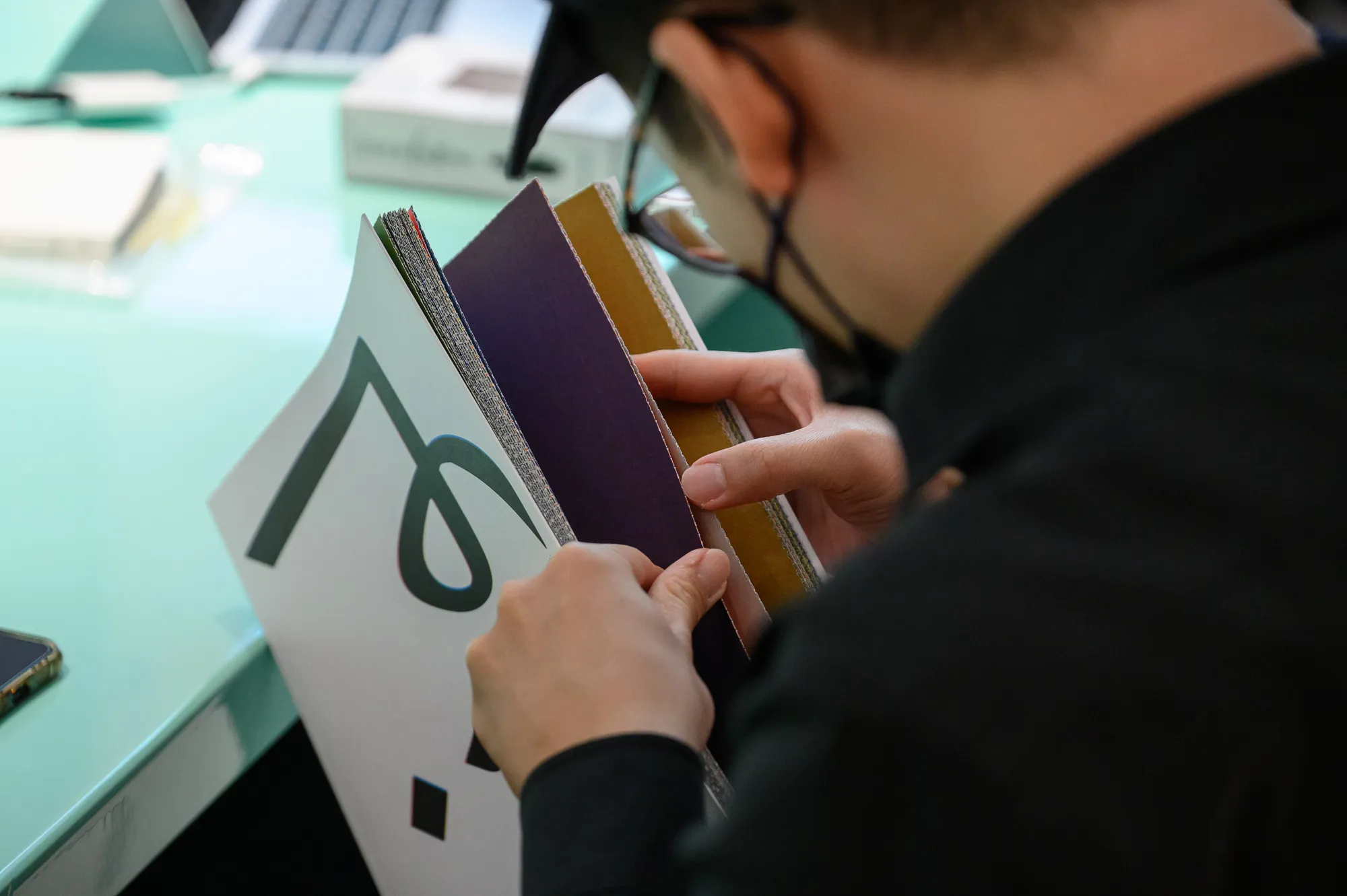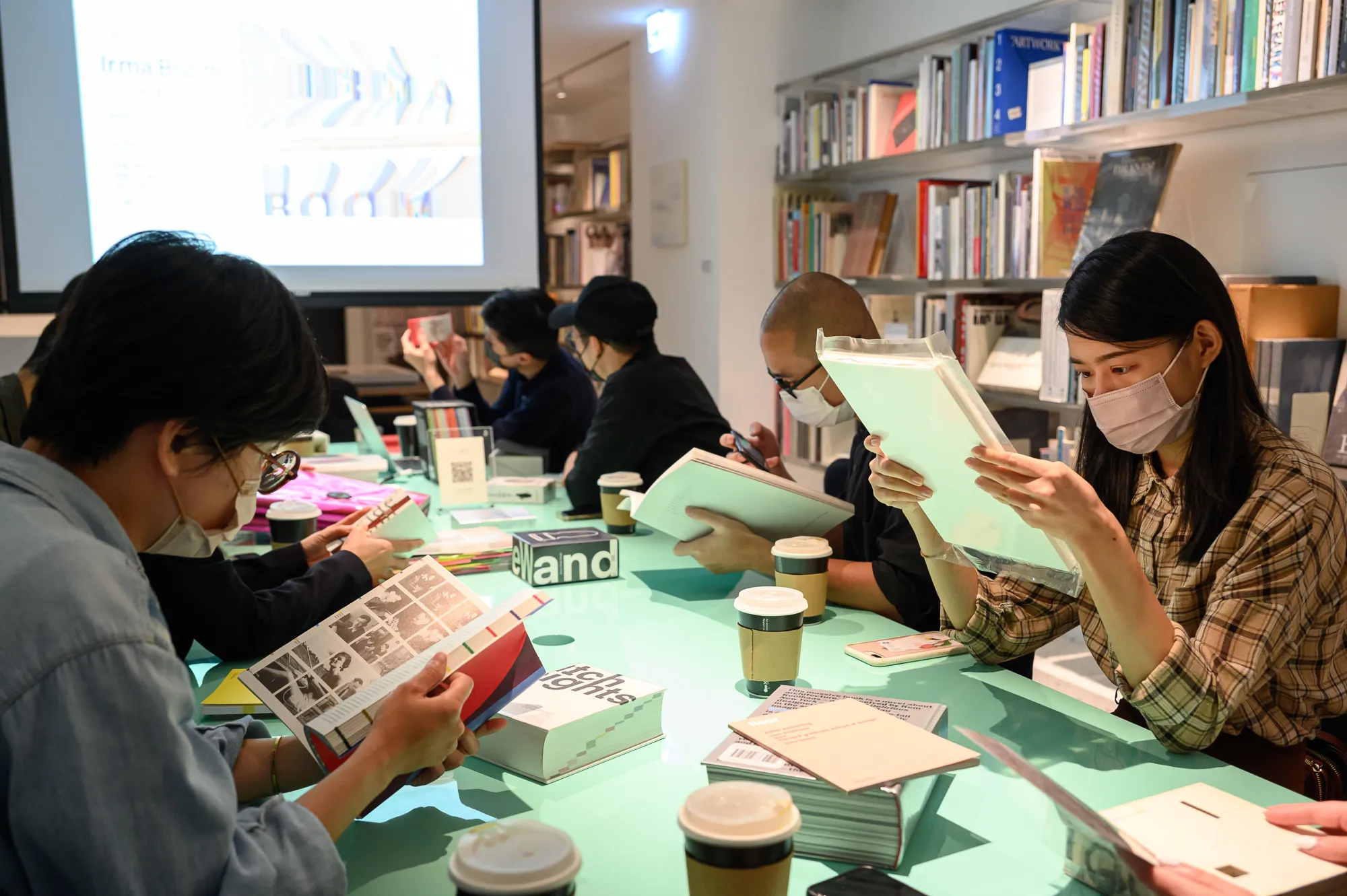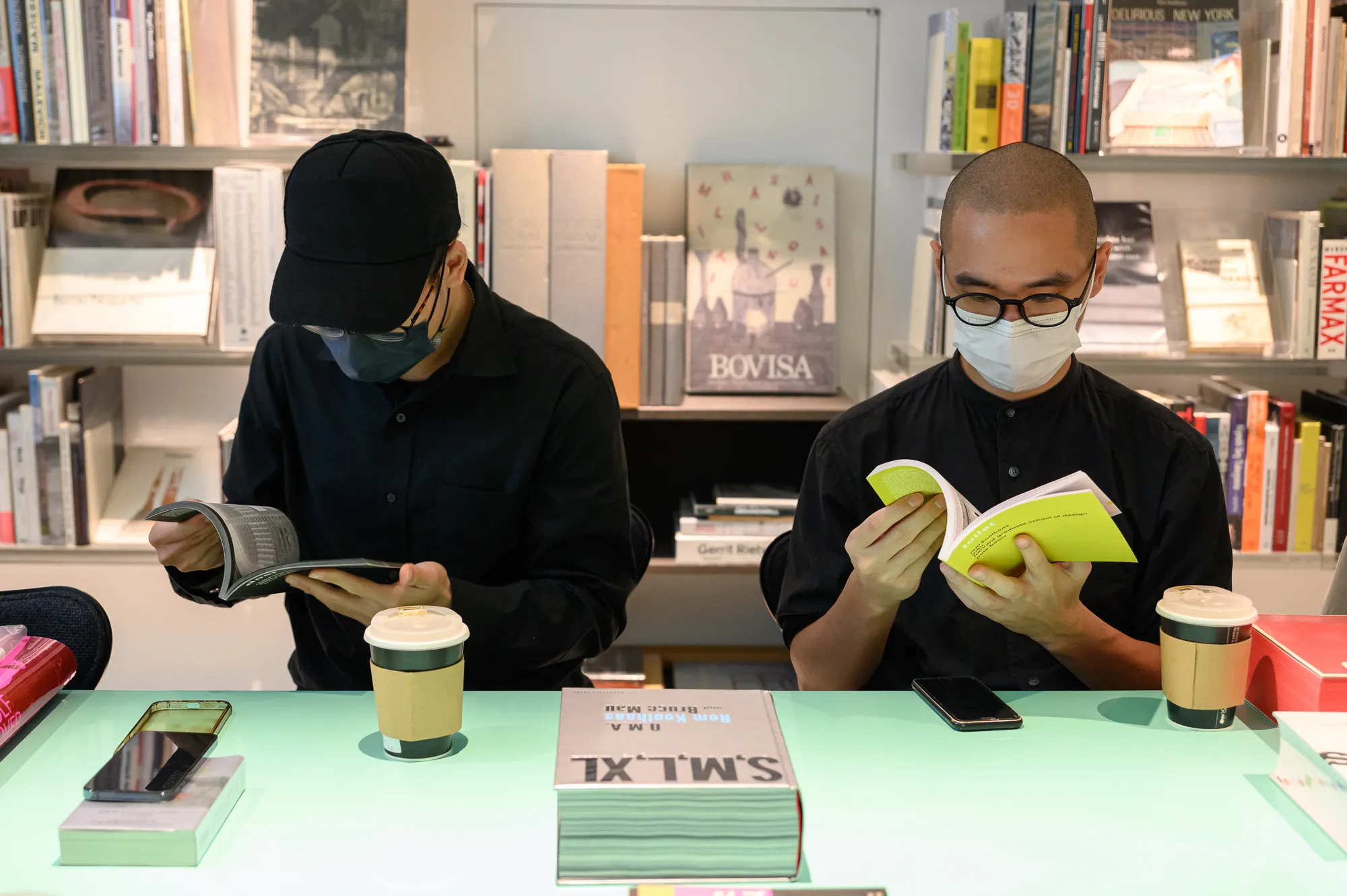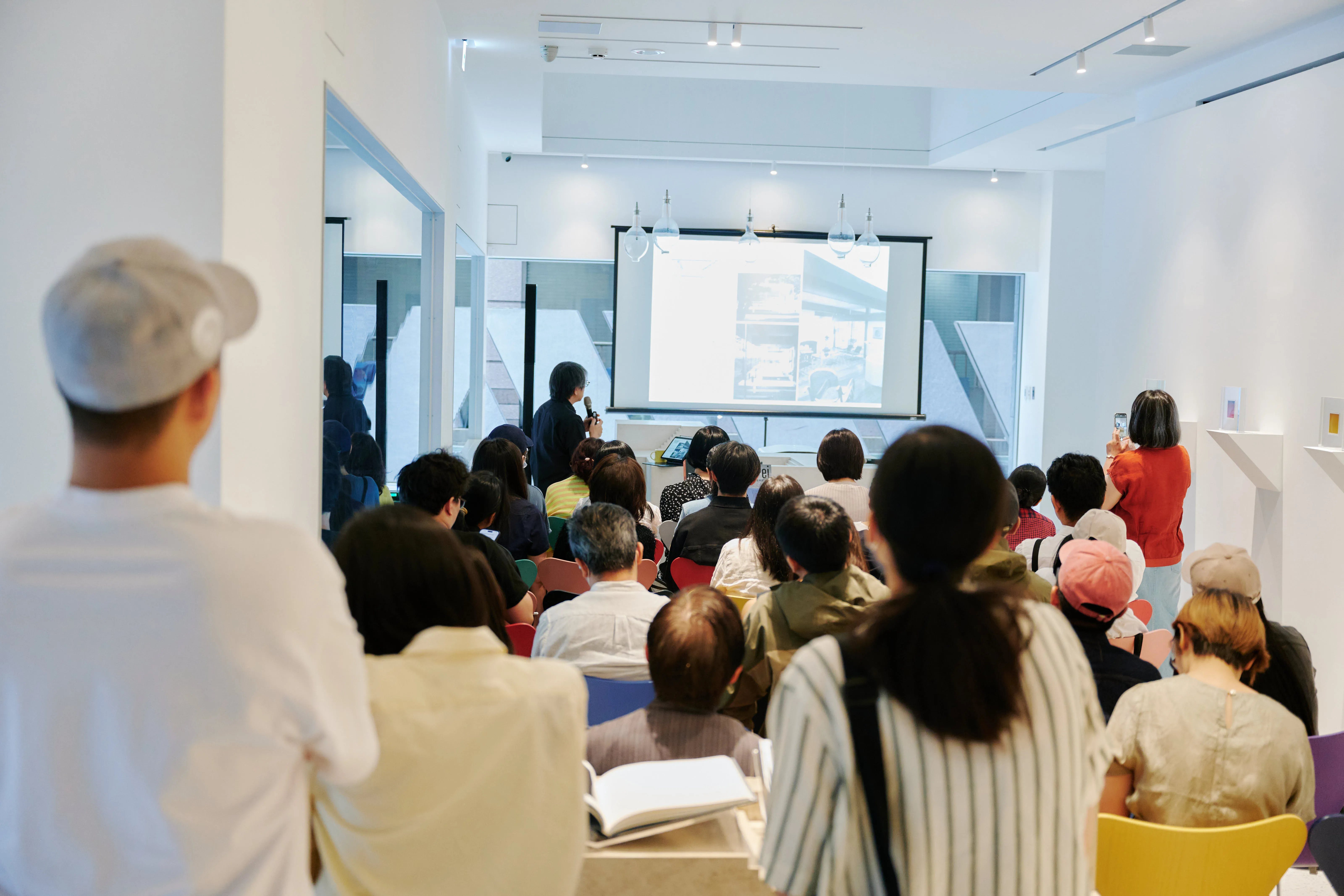
BOOKTALKS|Artists’ Books Series — Irma Boom
Speaker
Yin-Chin Tsai Art Book Researcher and Independent Curator
Location
Winsing Art Place (No. 6, Lane 10, Lane 180, Section 6, Section 6, Minquan East Road, Neihu District, Taipei City)
Fee
$500 (including bookstore entrance fee and a cup of Pour-over coffee)
Introduction
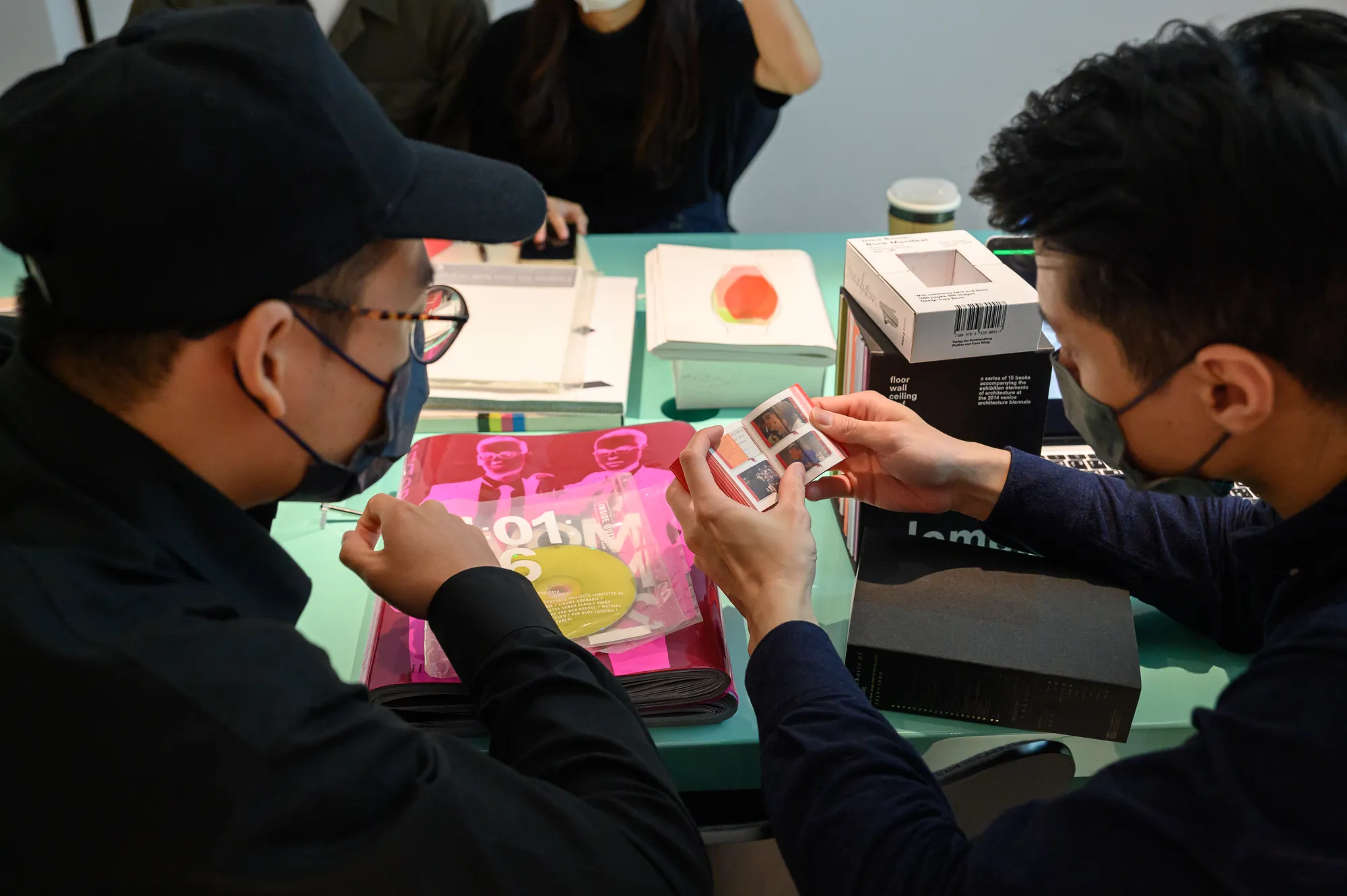
The Art Place Salon invites Yin-Chin Tsai, founder of PAPER MATTER, to serve as its annual book curator and collaborates on the “Artists’ Books Series,” a lecture program featuring works from the Winsing Art Space collection. The lecture series centers on in-depth discussions of individual artists whose works explore spatiality through artists’ books, spanning pioneers from the 1960s and 1970s to contemporary artists who continue to practice through publishing. Through hands-on examination and content analysis of artists’ books—considered both a medium and media—the lecture series will analyze how their physical structure and generative logic function as mutually complementing elements or nodes within creative projects. In essence, the lecture series asks: Why do artists make books? How do their concepts flow through these works, making them, as theorist/curator Lucy Lippard posited, the optimal materials for reaching the public?
“I compare my work to architecture. I don't build Villas. I build Social Housing.” — Irma Boom
The contemporary landscape of book design owes much to the creative practice and autonomous authorial stance of Dutch book designer Irma Boom (1960–). Her work elevates books beyond a mere medium to a creative vehicle for reaching the public, extending related discourse into the art world. Institutions ranging from the Museum of Modern Art (MoMA) in New York to Madrid-based Ivorypress, a leading authority on artists’ books, collect and study her work as art. Her design philosophy is frequently discussed as a branch of artist bookmaking. This salon lecture draws on this context to analyze Boom’s sensory perception between book design and artistic practice, exploring how she orchestrates arrangements of concepts through the techniques of editing, layout, and binding.
Since founding her studio in 1991, Boom has produced over 300 book designs. Her work not only visually embodiesDe Stijl’s foundations in abstraction, geometry, and the primary colors but also continues the design techniques and publishing strategies of early 20th-century avant-garde movements in treating publishing as an artistic practice. The lecture will explore the mutual influences between the aforementioned art history and classic works. The latter half will discuss Boom’s dozens of books through three categories: “Independent Creation,” “Interdisciplinary Collaboration,” and “Catalogue Compilation.” This session offers an in-depth exploration of the Queen of Books—a three-time recipient of the Gold Award in Best Book Design from All Over the World and the 2001 recipient of Germany’s Gutenberg Prize for Lifetime Achievement in Book Design.