Book Exhibition Salon| On Lightness—Calvino and Hejduk’s Medusa
Speaker
Shu-Chang Kung Professor, NYCU Graduate Institute of Architecture
Introduction
Jr-Gang Chi Assistant Professor of the Department of Architecture, Shih Chien University Curator of “Housing the Friendship”
Location
Winsing Art Place (No. 6, Lane 10, Lane 180, Section 6, Section 6, Minquan East Road, Neihu District, Taipei City)
Fee
$300 (one drink included)
Event Content
Your footsteps follow not what is outside the eyes, but what is within, buried, erased.—Italo Calvino, Invisible Cities
Imagination and desire, concealed within rituals, history, and daily life, appear intangible yet manifest through words and architecture. From Italo Calvino’s Invisible Cities to architect John Hejduk’s Mask of Medusa, how do they maintain lightness and concealment? It is by avoiding Medusa’s gaze, preventing petrification through sight, that the myriad details of reality and the fragments of memory within the heart can wander between licentiousness and wisdom, between pleasure and sacrifice. Through layers of reflective narrative, they find another place.
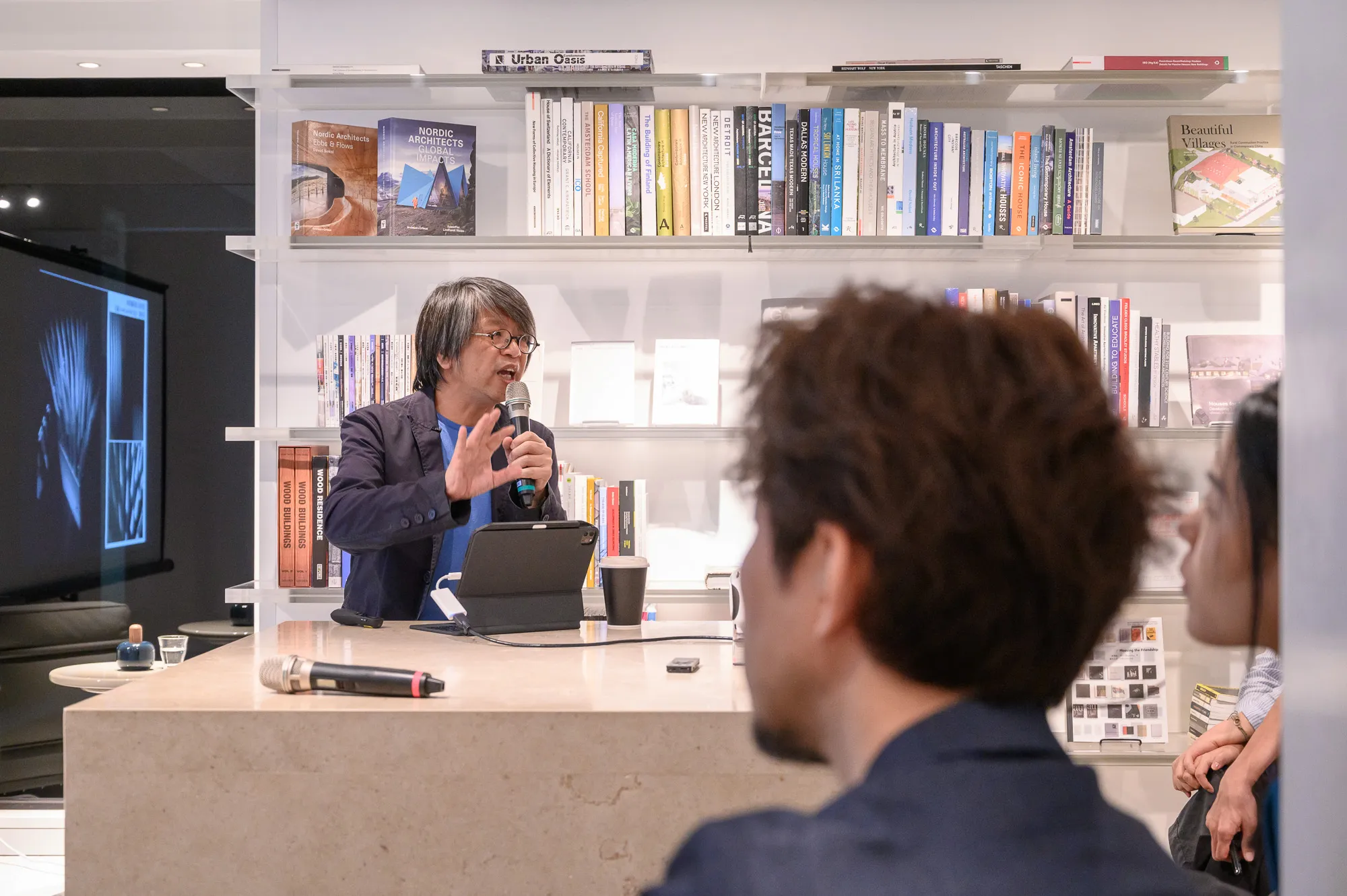
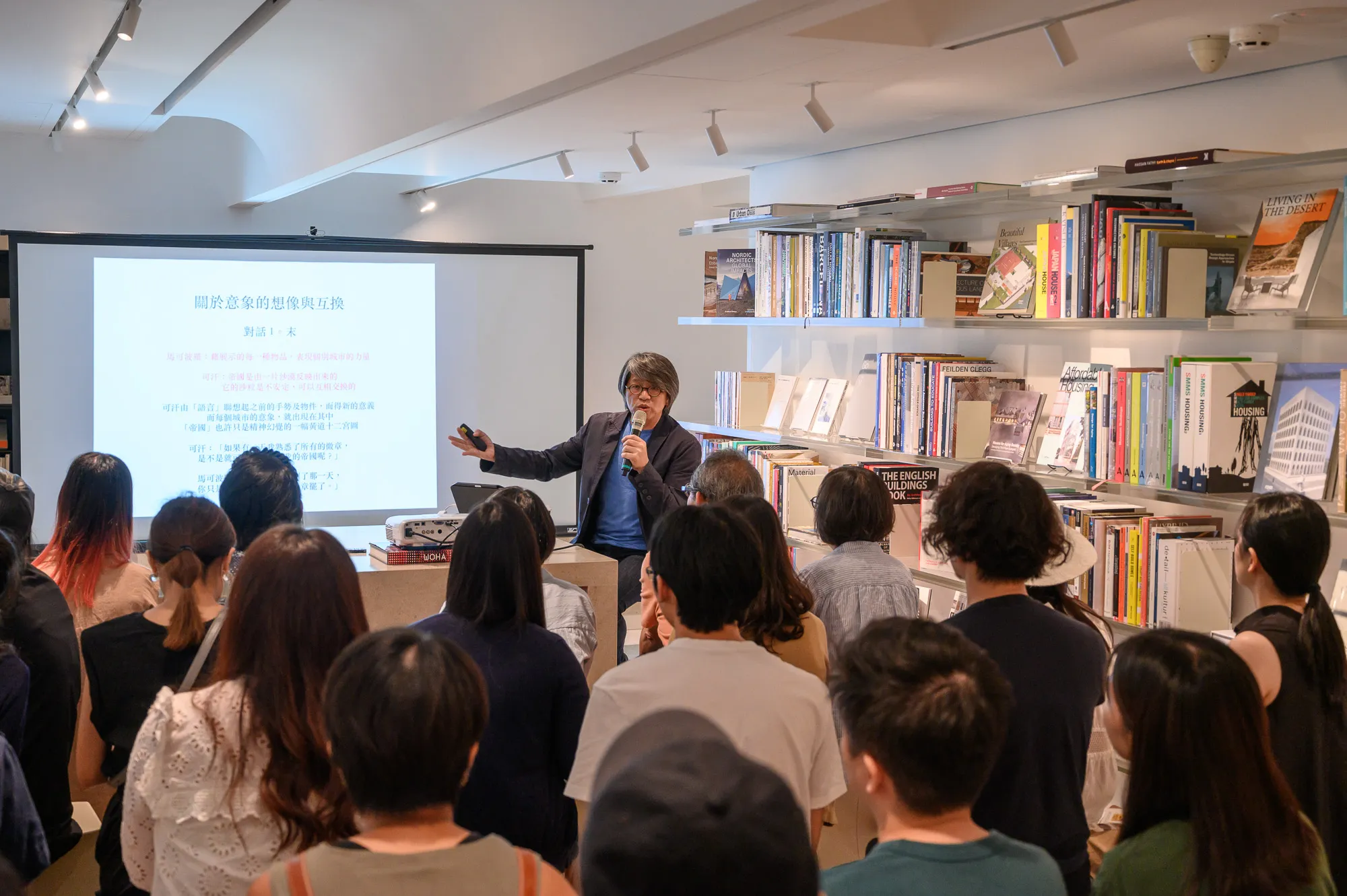
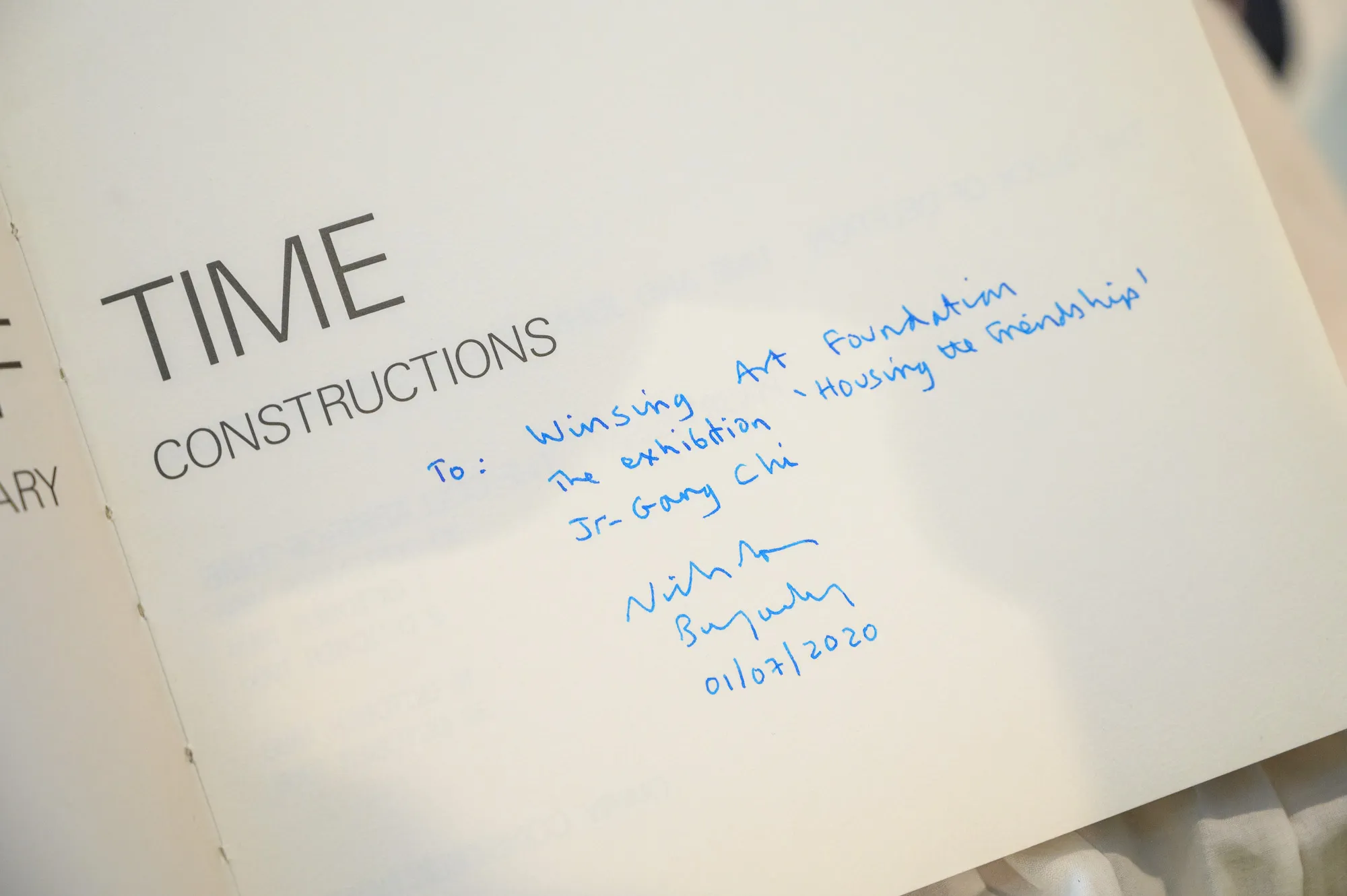
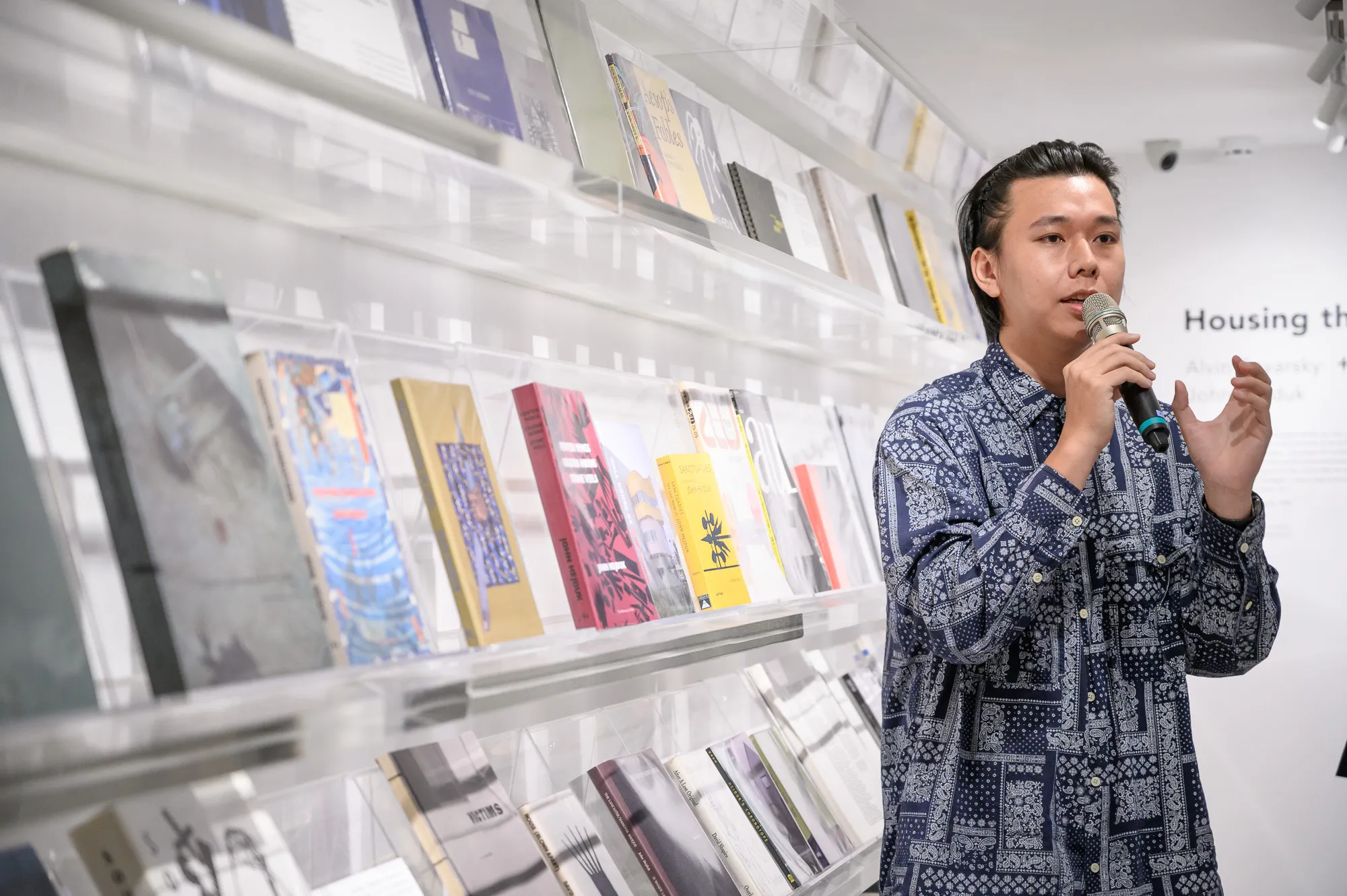
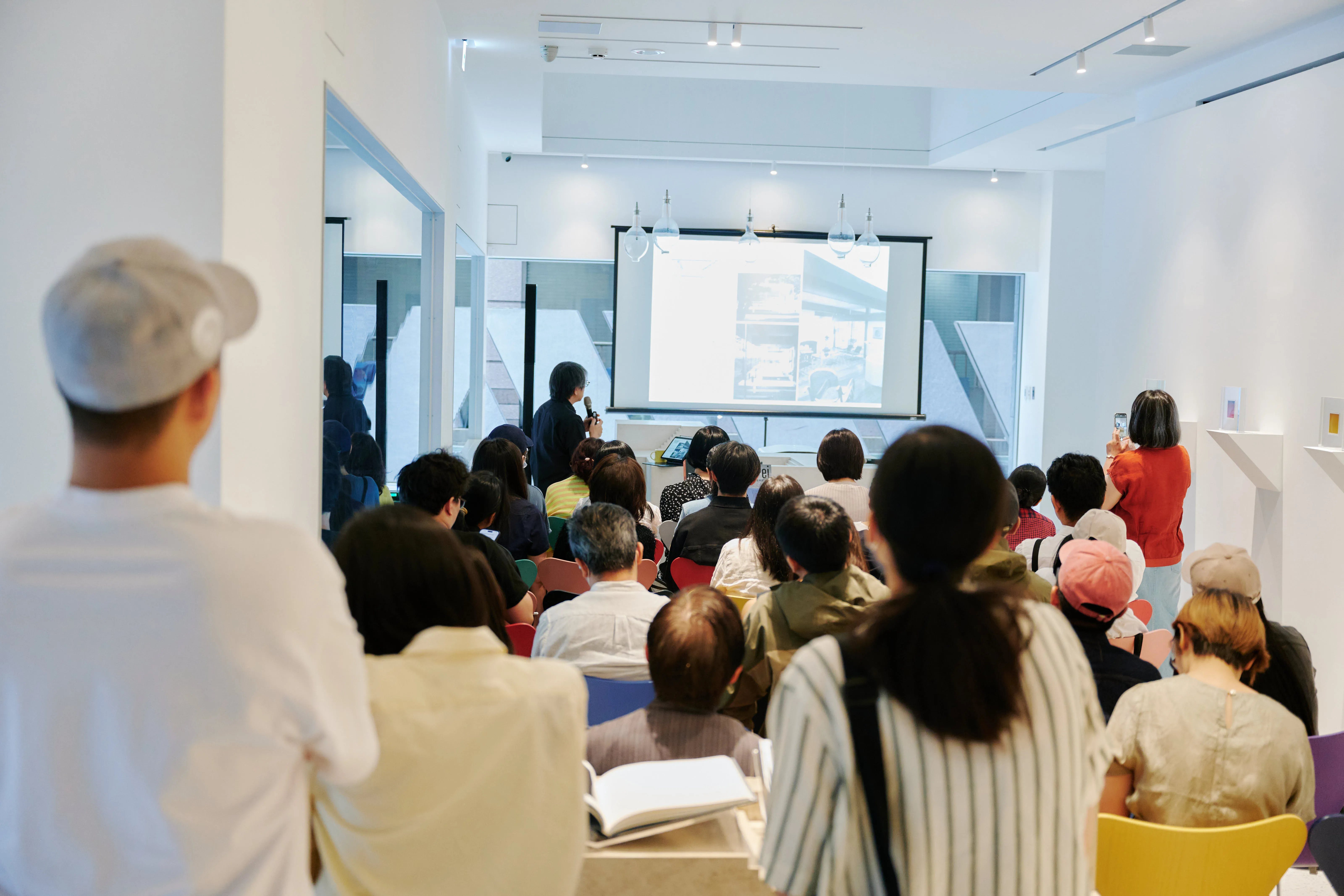
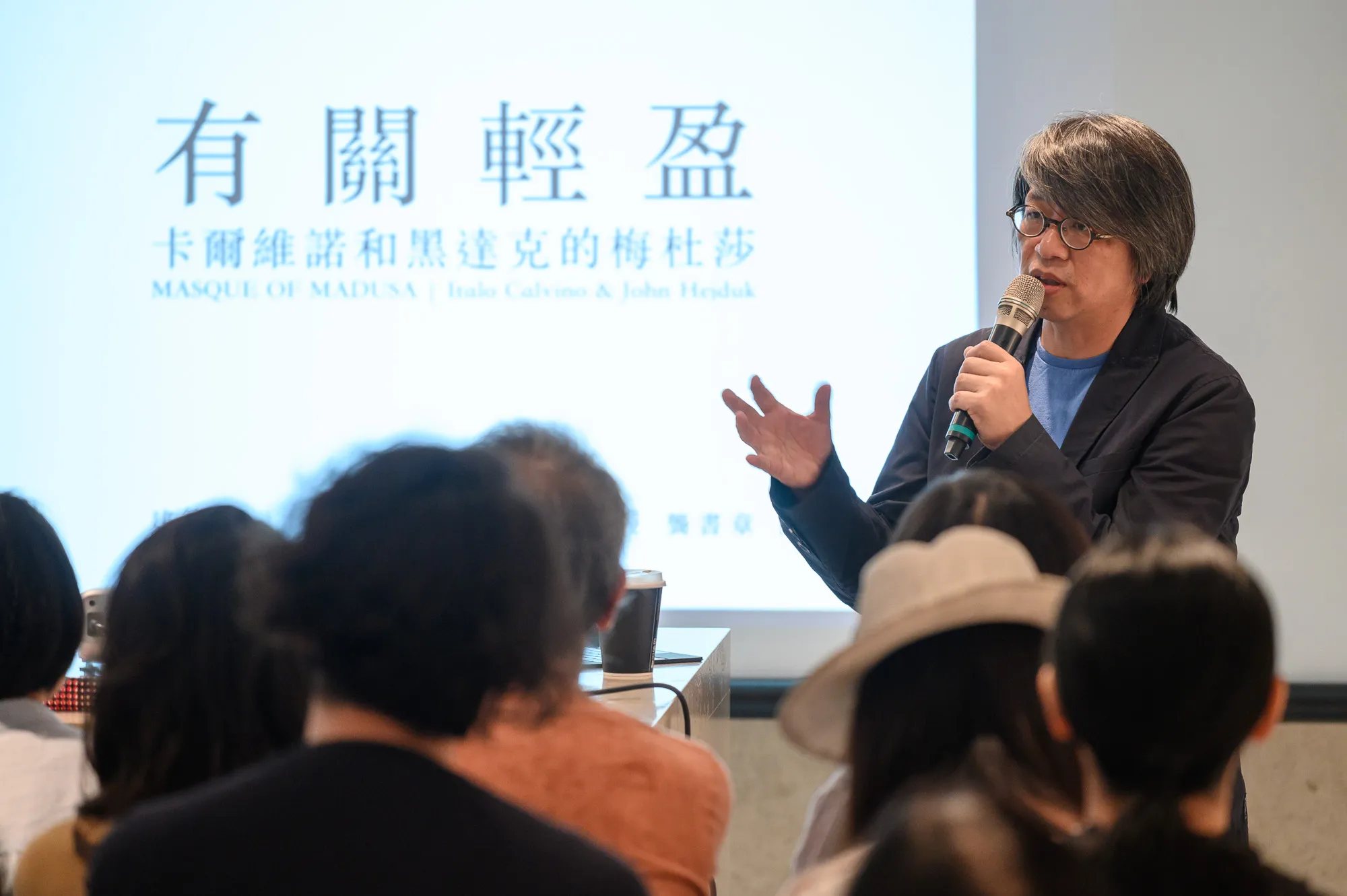
On July 26, the Winsing Arts Foundation invited Shu-Chang Kung to discuss “On Lightness—Calvino and Hejduk’s Medusa” at Winsing Art Place. He shared stories about Hejduk’s architecture and engaged in a conversation with Jr-Gang Chi, curator of the exhibition Housing the Friendship, as well as young architectural creators Nien-Ying Lin, Yi-Jun Chen, Yuan-Fu Chiu.