Book Exhibition Salon| Two Talks on Pezo von Ellrichshausen
Speakers
Hao-Hsiu Chiu/Associate Professor, Tunghai Uinversity
Jim T. C. Wei/Principal Architect, office aaa
Introduction
Jr-Gang Chi Assistant Professor of the Department of Architecture, Shih Chien University Curator of “Winsing Art Place Book Selections 2019-2020”
Location
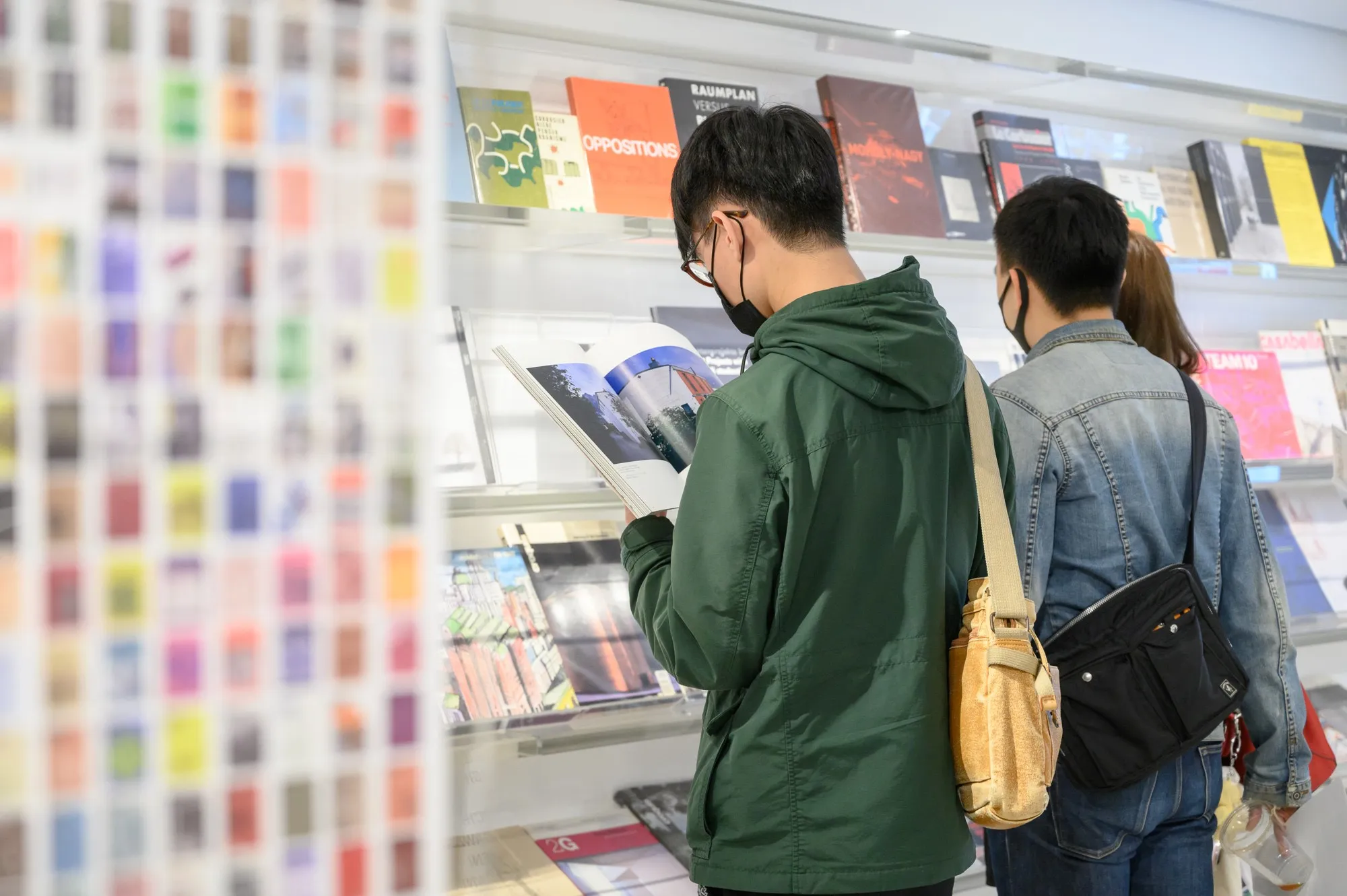
Winsing Art Place (No. 6, Lane 10, Lane 180, Section 6, Section 6, Minquan East Road, Neihu District, Taipei City)
Fee
$300 (The event fee can be used as a $150 discount on book purchases at the bookstore on the day, upon presentation of the receipt.)
Event Content
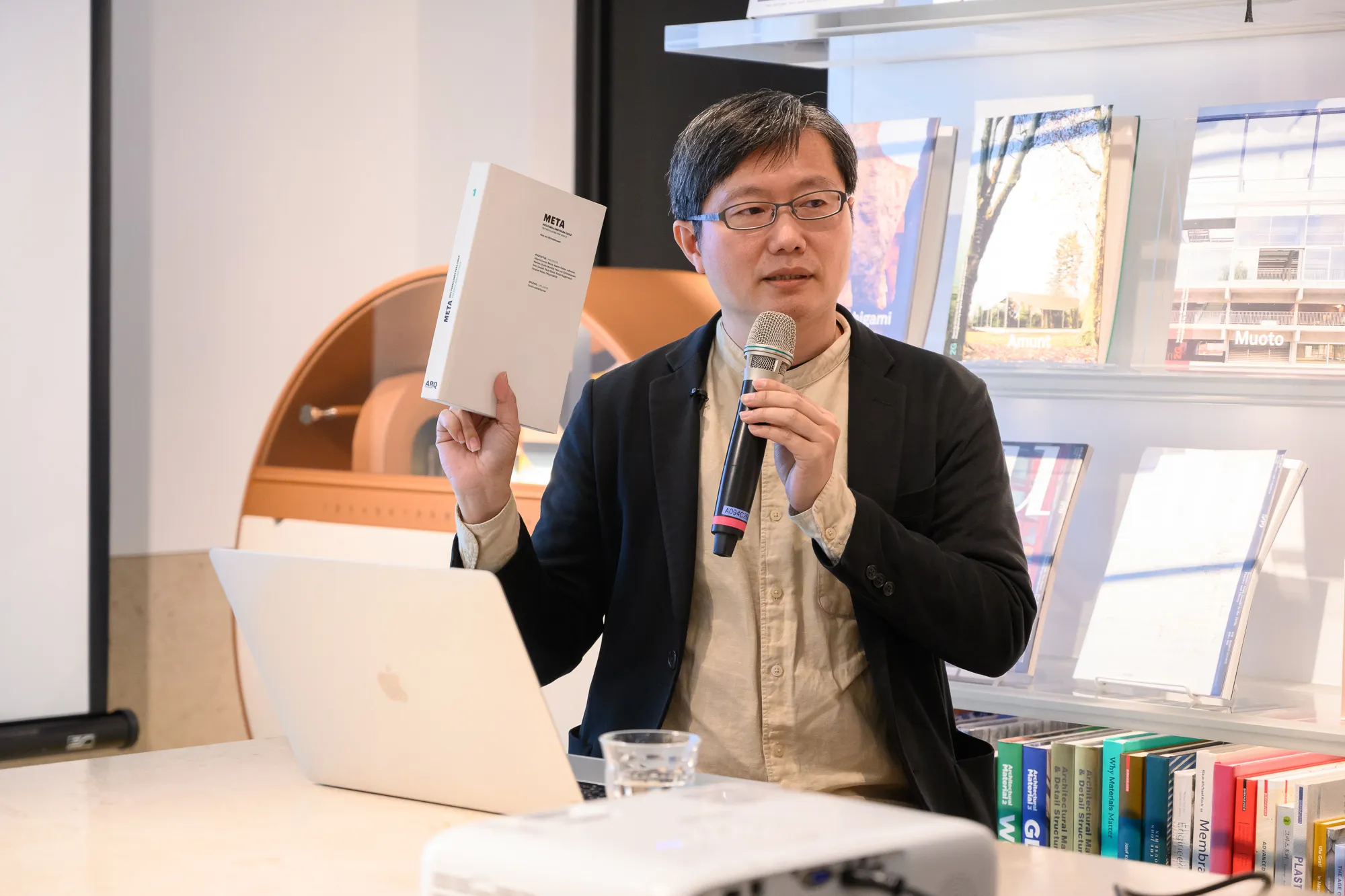
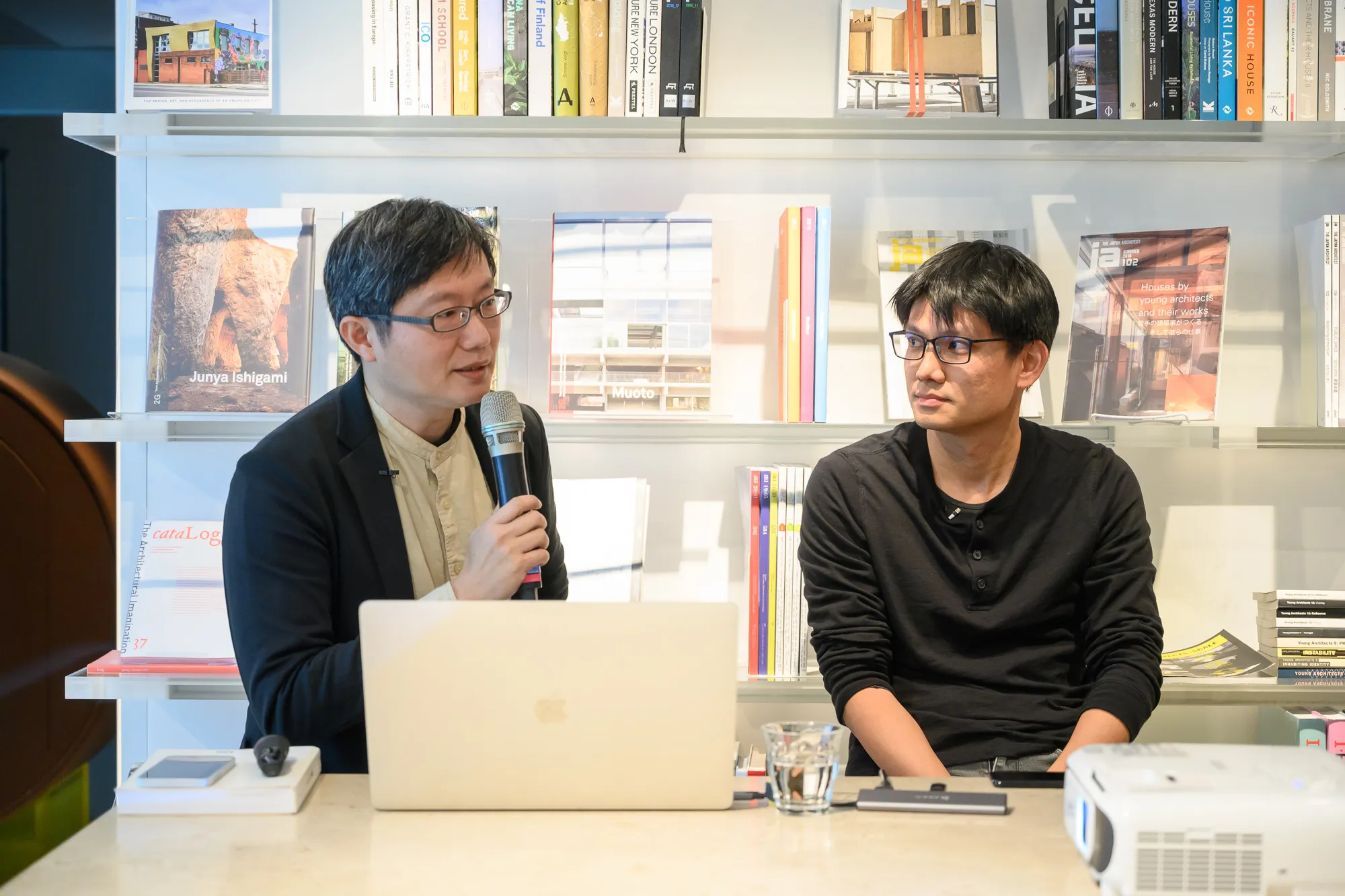
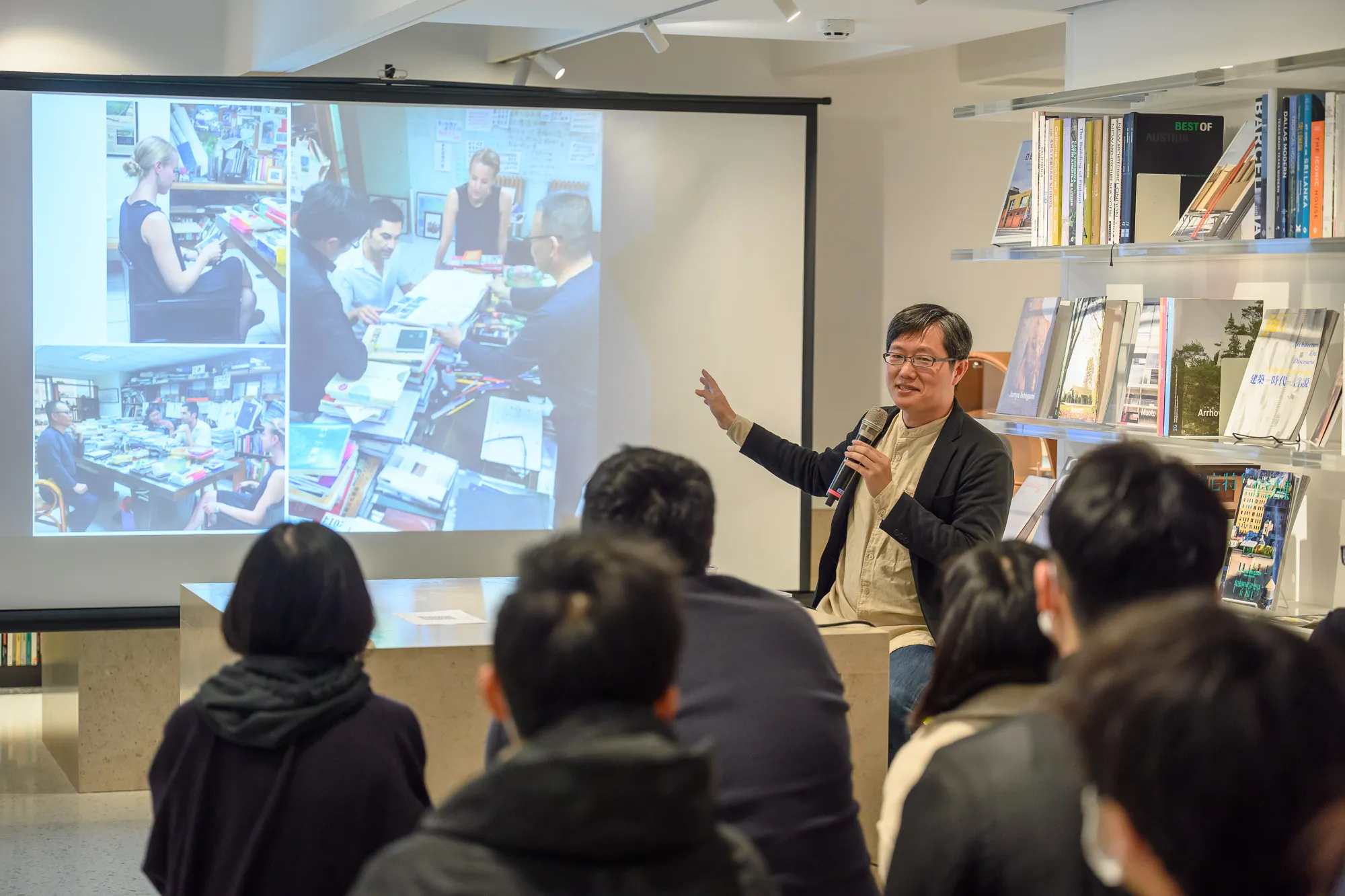
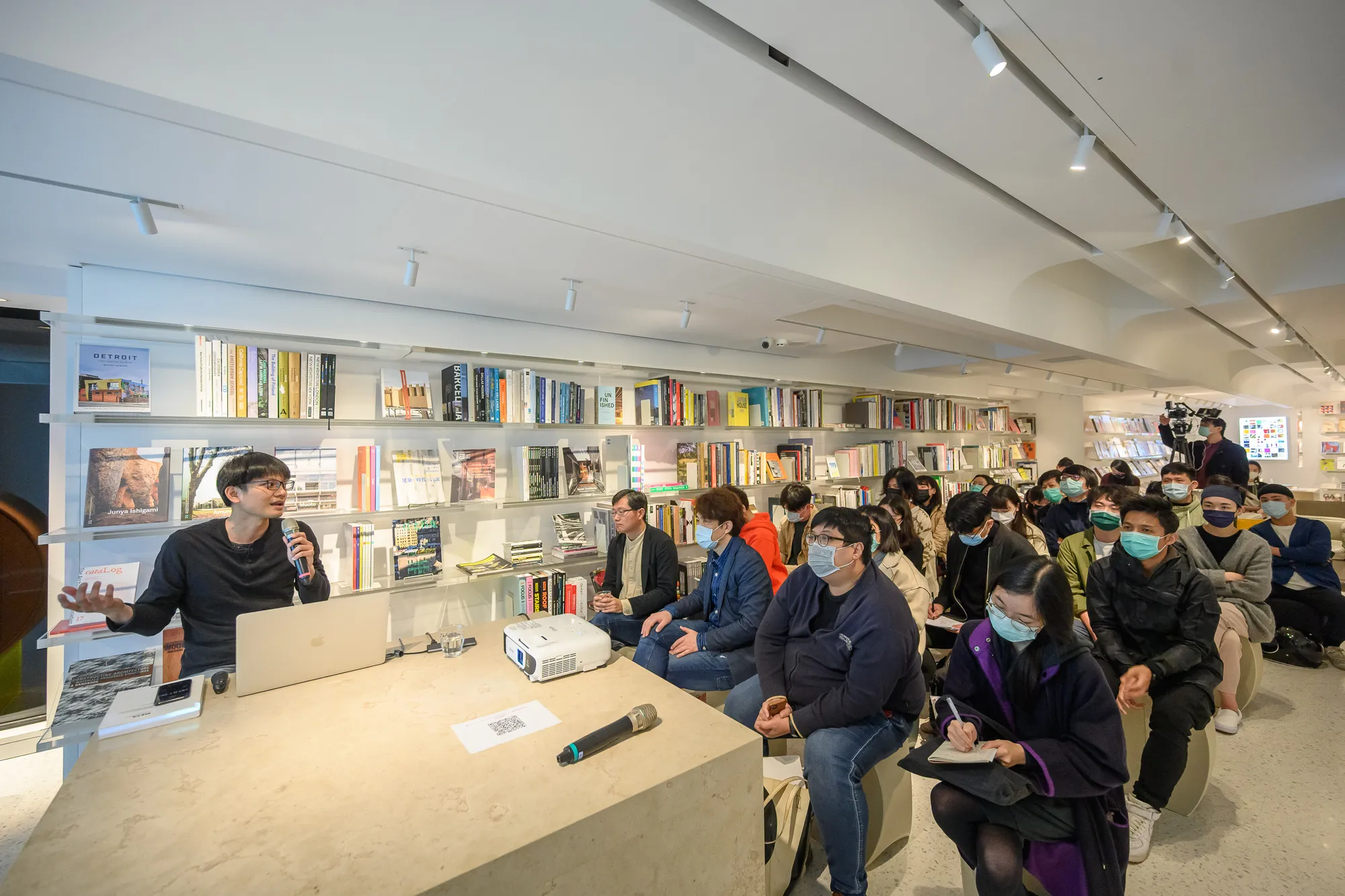
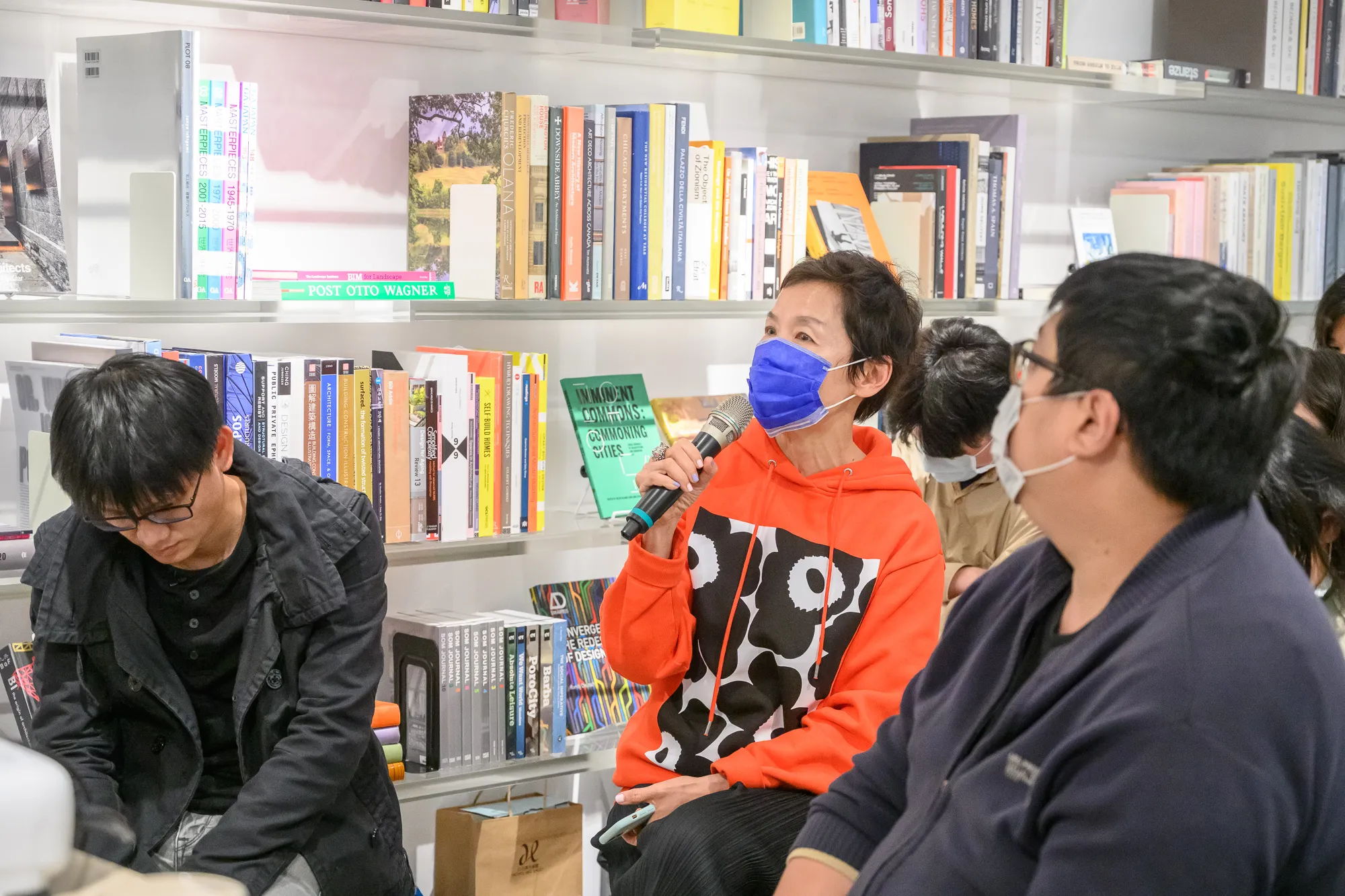
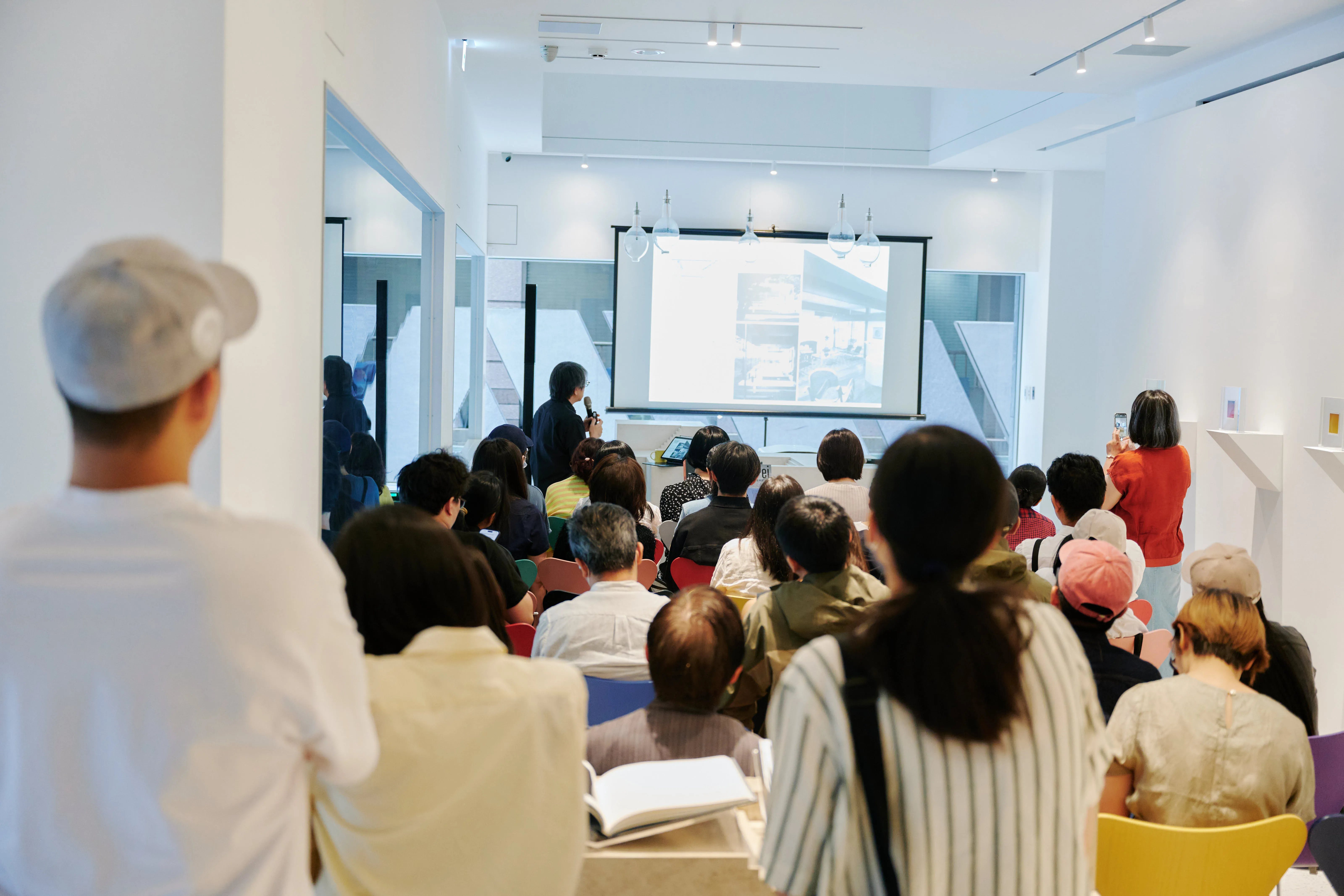
On Sunday afternoon, March 7th, the bookstore will host the Winsing Art Place Book Selections 2019-2020 series event—“Architecture Salon. (IV): Two Talks on Pezo von Ellrichshausen.” The curatorial team has specially invited Professor Hao-Hsiu Chiu from the Department of Architecture at Tunghai University and Principal Architect/Partner Jim T. C. Wei from office aaa to discuss the unique perspectives and design works of the Chilean architectural duo Pezo von Ellrichshausen, spanning architecture and contemporary art.
Founded in 2002 by the Chilean-Argentine architect couple Mauricio Pezo and Sofía von Ellrichshausen, Pezo von Ellrichshausen has exhibited at the Royal Academy of Arts in London. Their works are part of the permanent collections of The Art Institute of Chicago and the Museum of Modern Art (MoMA) in New York. The duo also curated the Chile Pavilion at the 2008 Venice Architecture Biennale.
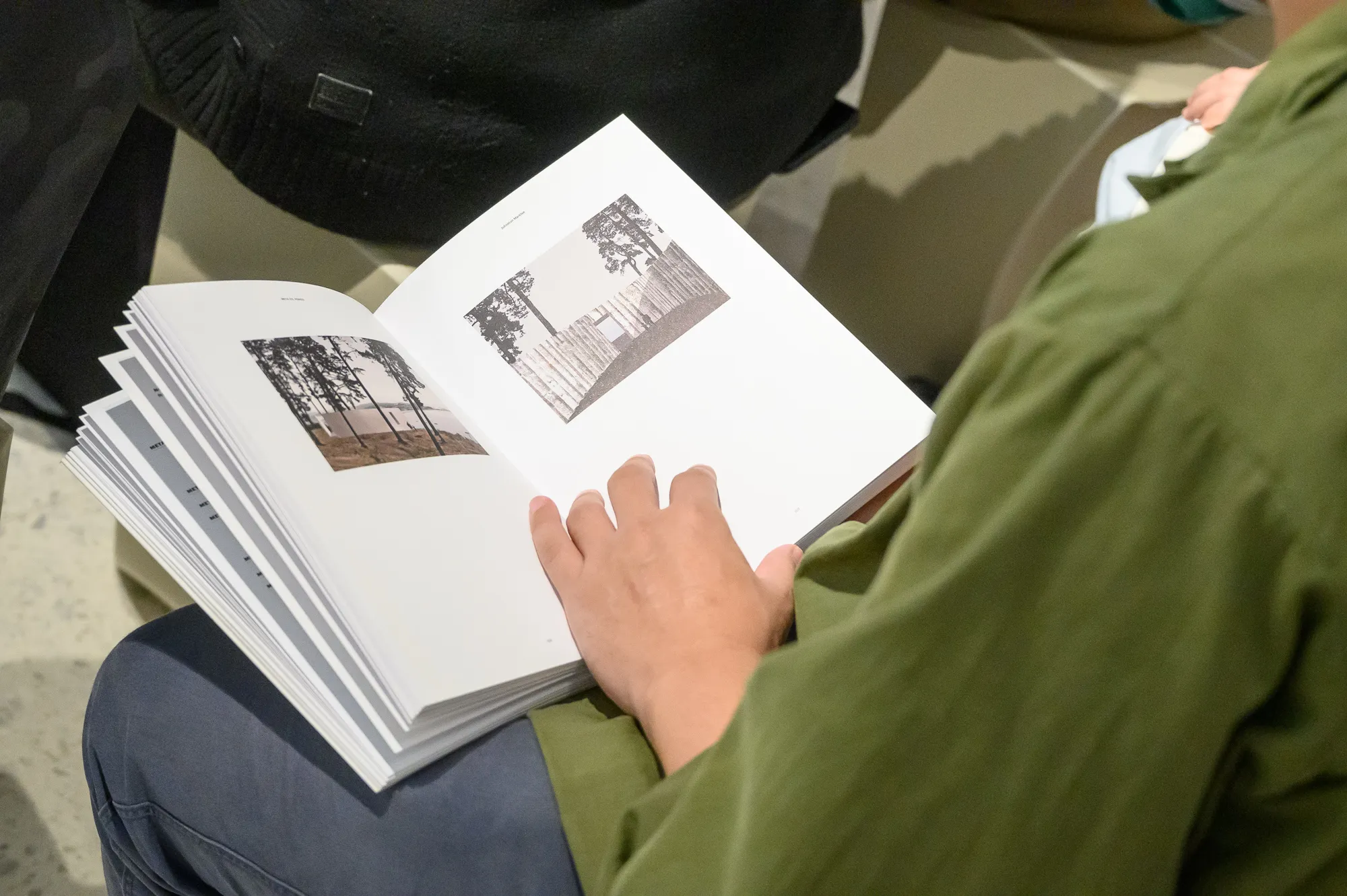
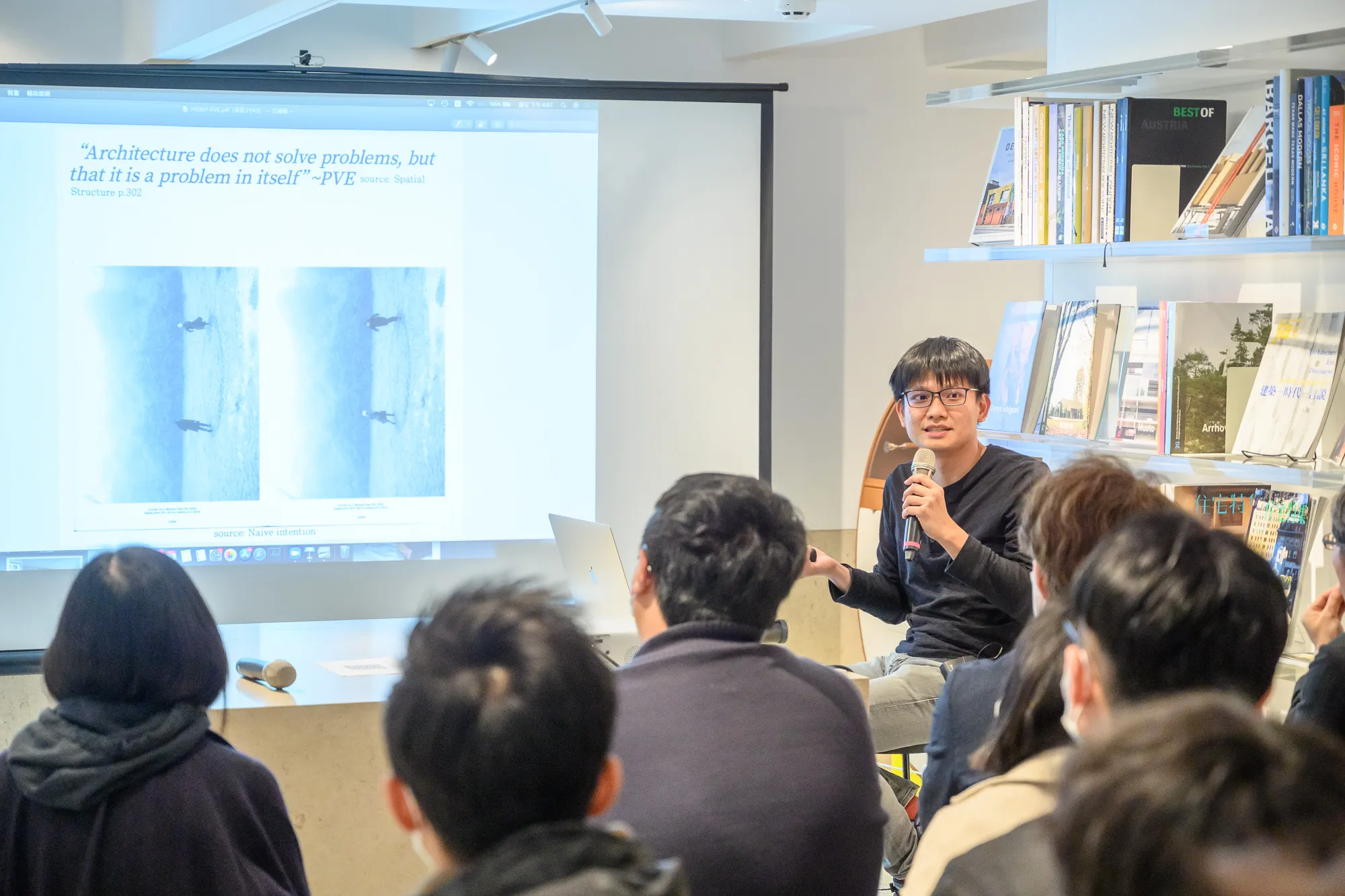
For this salon, Professor Hao-Hsiao Chiu will draw on his experience inviting Pezo von Ellruchshausen to lecture at Tunghai University in 2015. He will share their personal perspectives on design, architecture, and life, as well as how their curatorial experiences worldwide have shaped their observations and practices in contemporary art and architecture. Jim T. C. Wei will begin with Russian avant-garde artist Kazimir Severinovich Malevich’s manifesto The Non-objective World, then extend to Pezo von Erichhausen’s out-of-print work Spatial Structure and their architectural projects. He will explore how contemporary thinking across art and architecture manifests in creative practice.