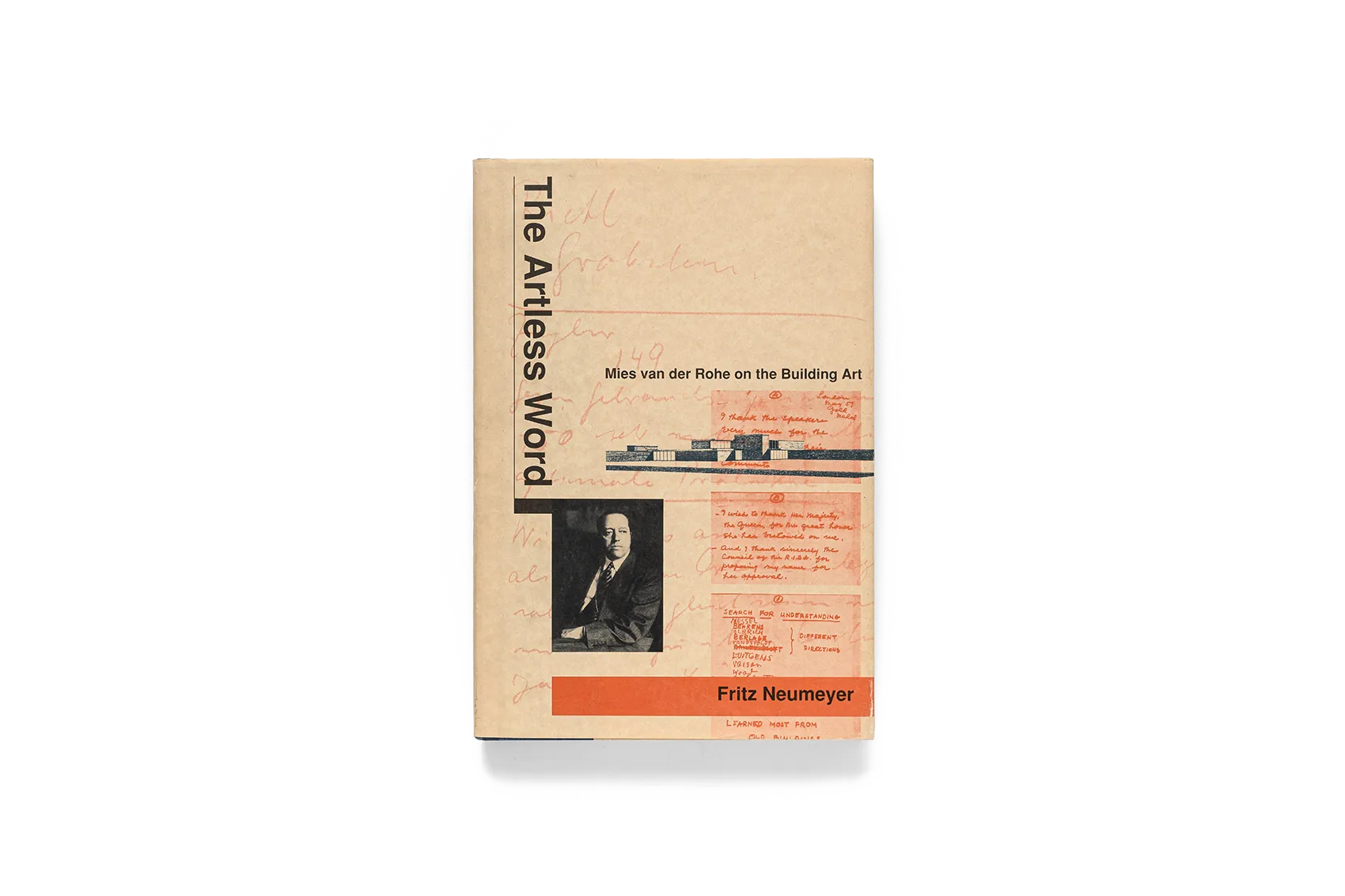
MIT Press, 1991

MIT Press, 1991
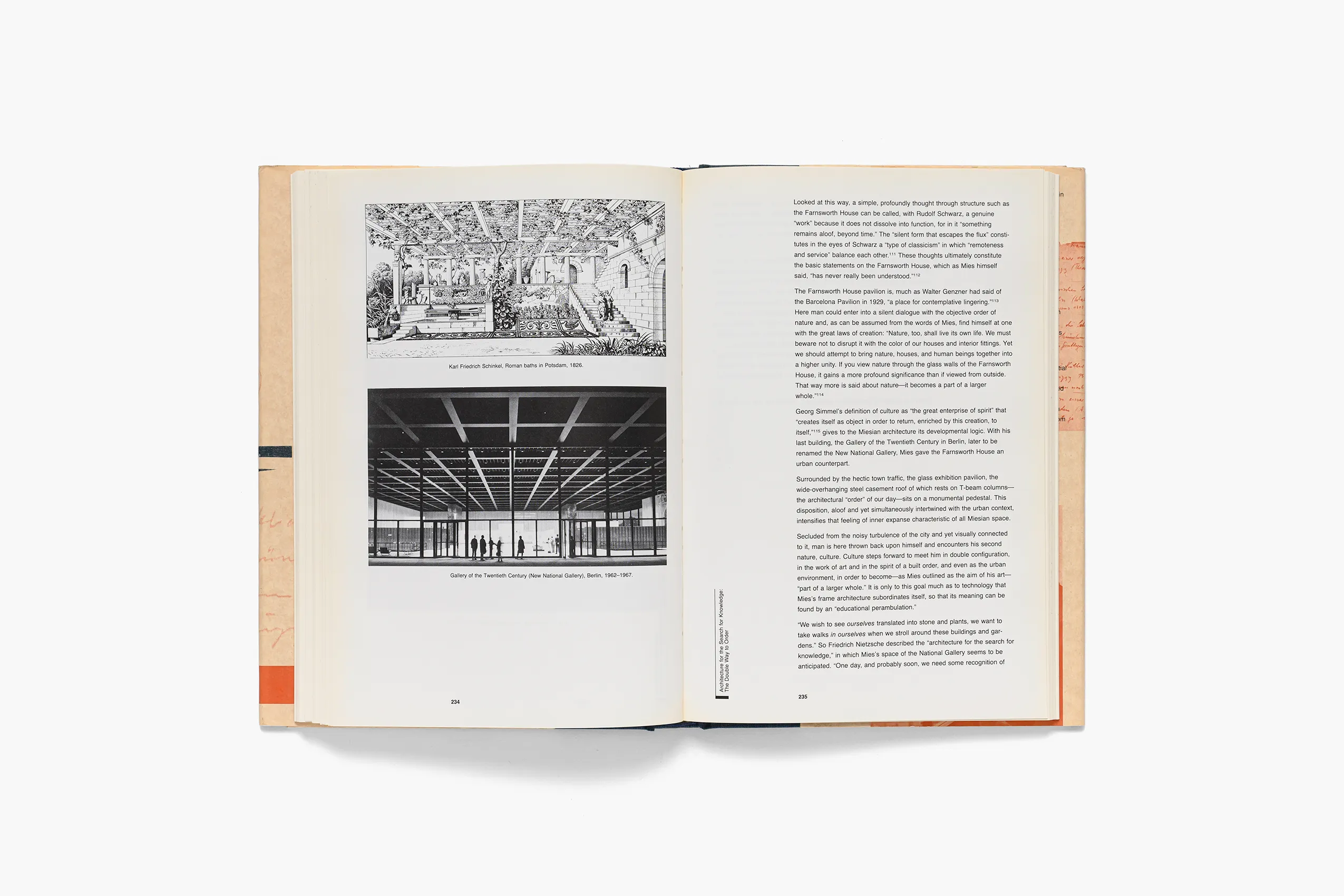
The Artless Word: Mies van der Rohe on the Building Art, by architectural theorist Fritz Neumeyer (1946–), who has taught at institutions including the Technical University of Berlin (TU Berlin) and Princeton University, meticulously examined Mies’s surviving manuscripts, notes, and personal book collection. Through this scholarly investigation, he sought to reconstruct Mies’s intellectual world and creative vision, thereby uncovering crucial insights into the philosophical underpinnings of his architectural practice. This work challenges many entrenched assumptions about Mies’s legacy. The original German edition was published in 1986, while the definitive English translation, published by the Massachusetts Institute of Technology (MIT) in 1991, is now out of print and highly sought after. Only the simplified Chinese edition remains available.
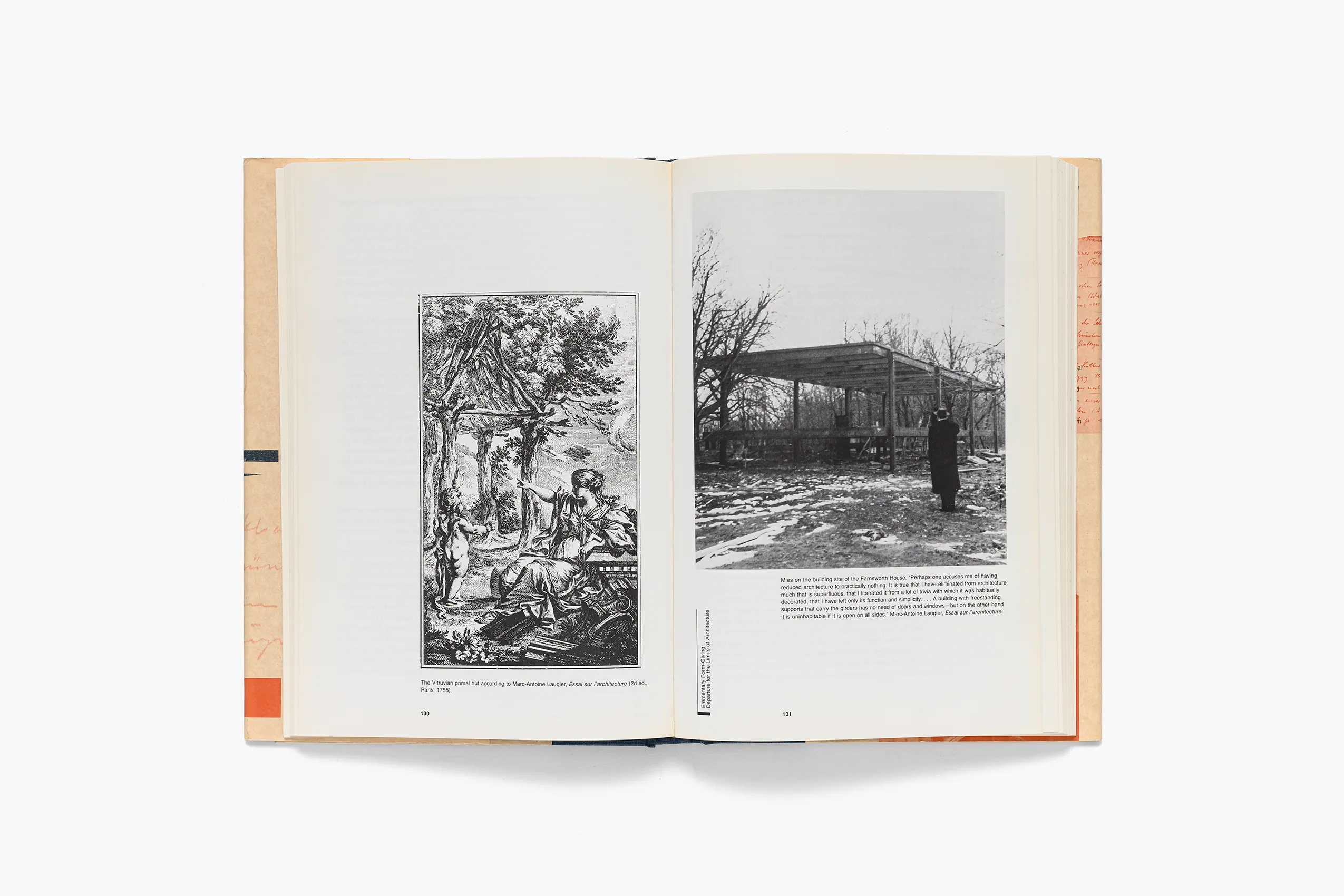
The year 1986 marked the 100th anniversary of Mies van der Rohe’s birth, the most celebrated Modernist architect. Commemorative events worldwide included the reconstruction and opening of the iconic Barcelona Pavilion, the Mies van der Rohe Centennial Exhibition at New York’s Museum of Modern Art (MoMA), and the publication of this book’s original German edition.
Fritz Neumeyer, a professor at TU Berlin who has also taught at Princeton University and elsewhere, reconstructs key insights into Mies’s architectural legacy through meticulous archival research. His work challenges long-held stereotypes about Mies’s practice and has become a seminal text over three decades after its initial publication. Both the original German edition and the subsequent English edition are long out of print and highly sought after. Winsing Art Place currently holds a 1991 English edition published by MIT Press and a 2020 simplified Chinese edition translated by Chen Xudong.
Unlikeother books on Mies, this volume focuses on his writings rather than architectural imagery. For Neumeyer, the written legacy of this great 20th-century architect is unexpectedly extensive, serving as indispensable research material for understanding his intellectual world. The book is divided into two distinct parts: the first six chapters trace and discuss Mies’s intellectual evolution—from the influence of his early life in a stonemason’s family, through Nietzschean philosophical inspiration, to the gradual development of his architectural career following his first completed work, the Riehl House (1907), at age 21. The second part features a substantial appendix compiling all of Mies’s published and unpublished architectural writings. Through manuscripts, notes, and the architect’s personal book collection, it attempts to reconstruct his intellectual world and creative vision, exploring the origins of Mies van derRohe and his architecture through the dual threads of architecture and writing.