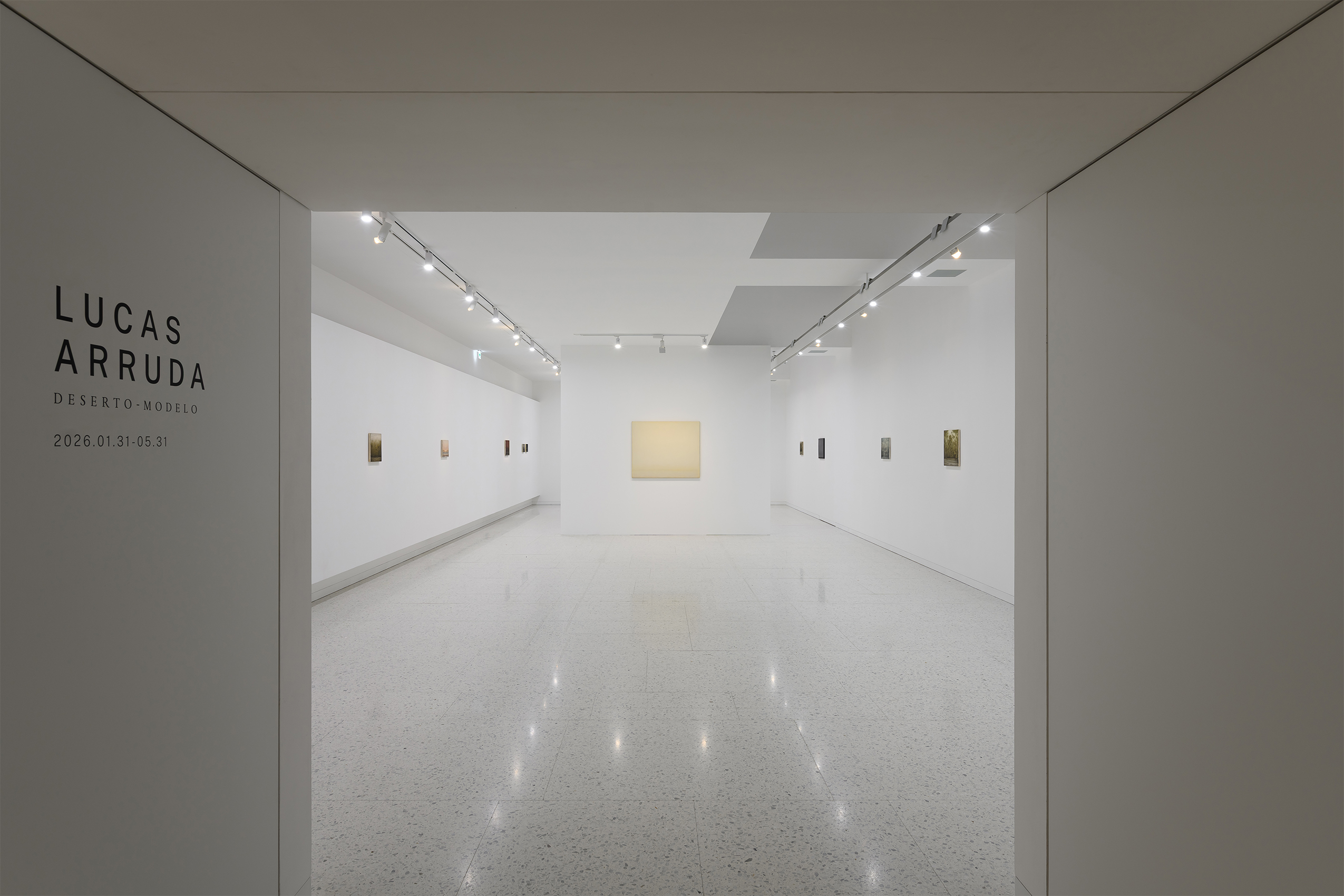
Lucas ArrudaDeserto-Modelo
locations
WINSING ART PLACE
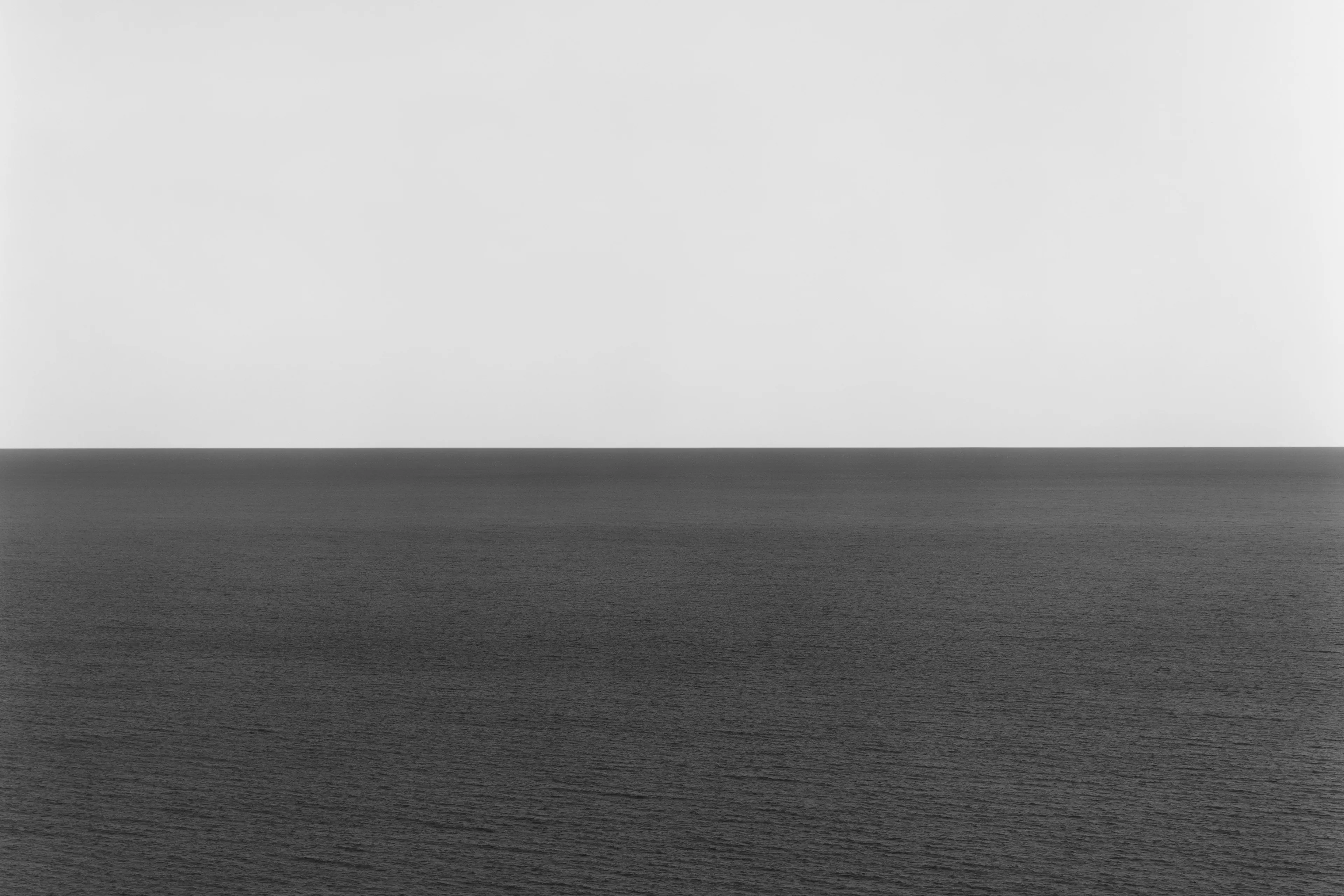
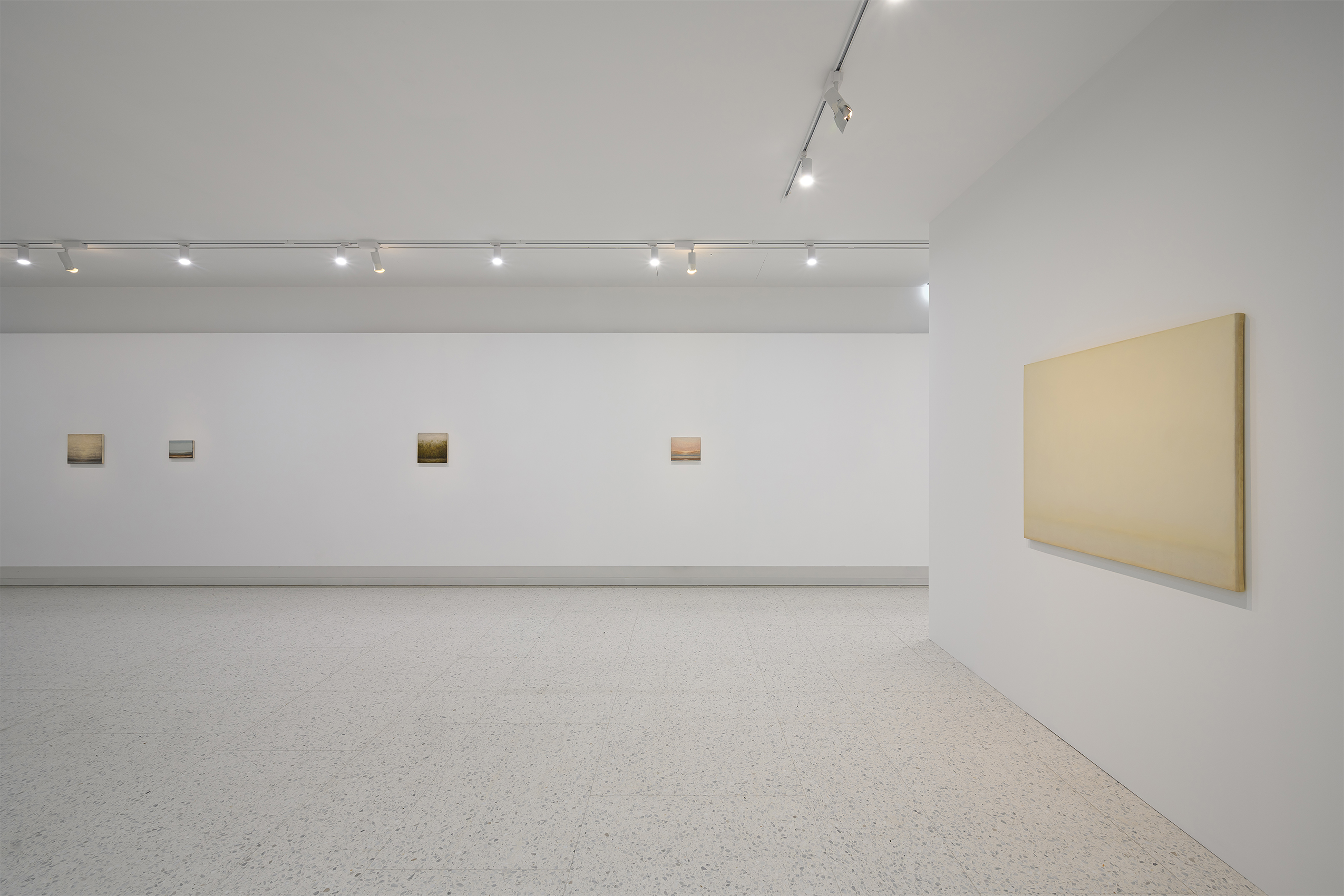
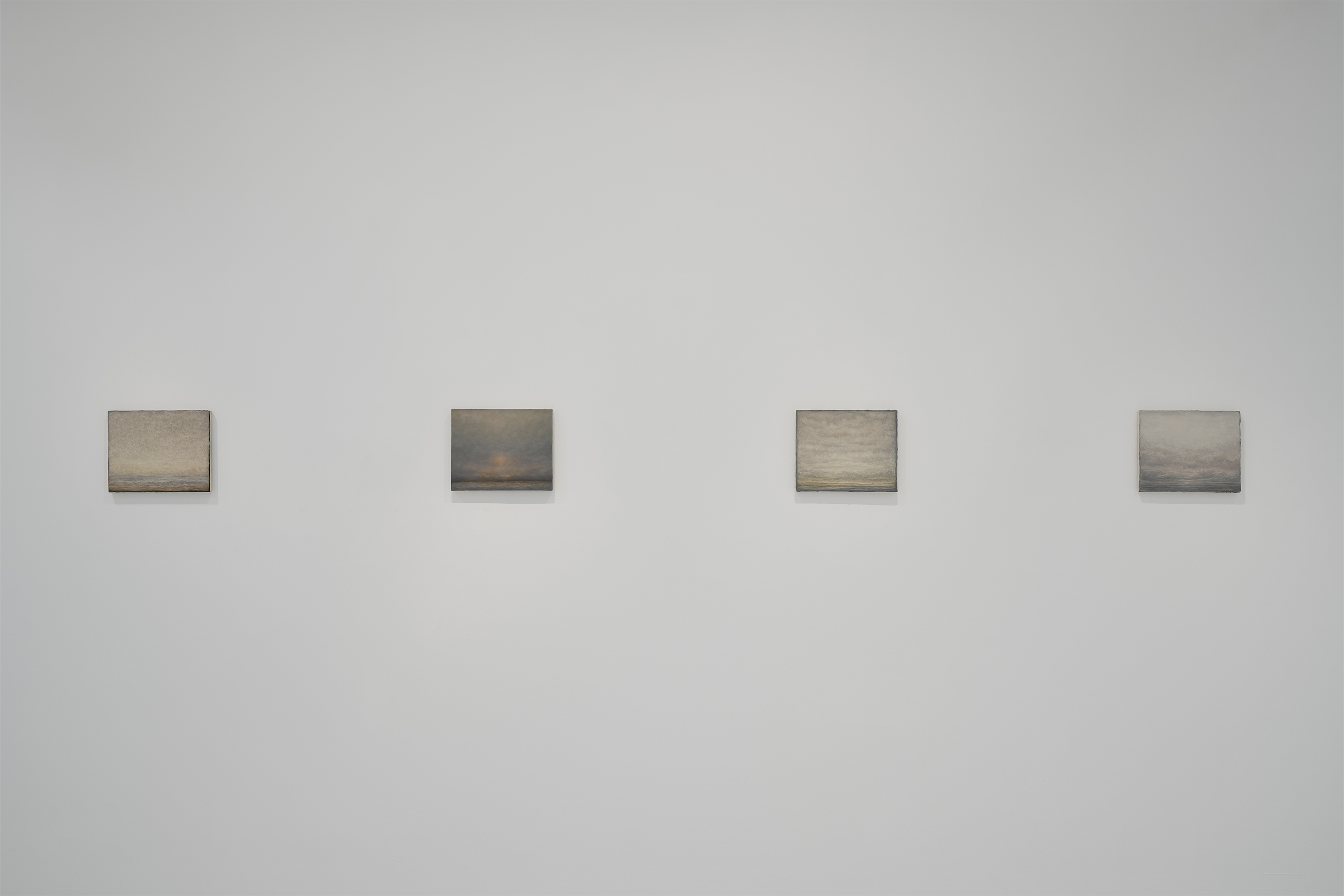
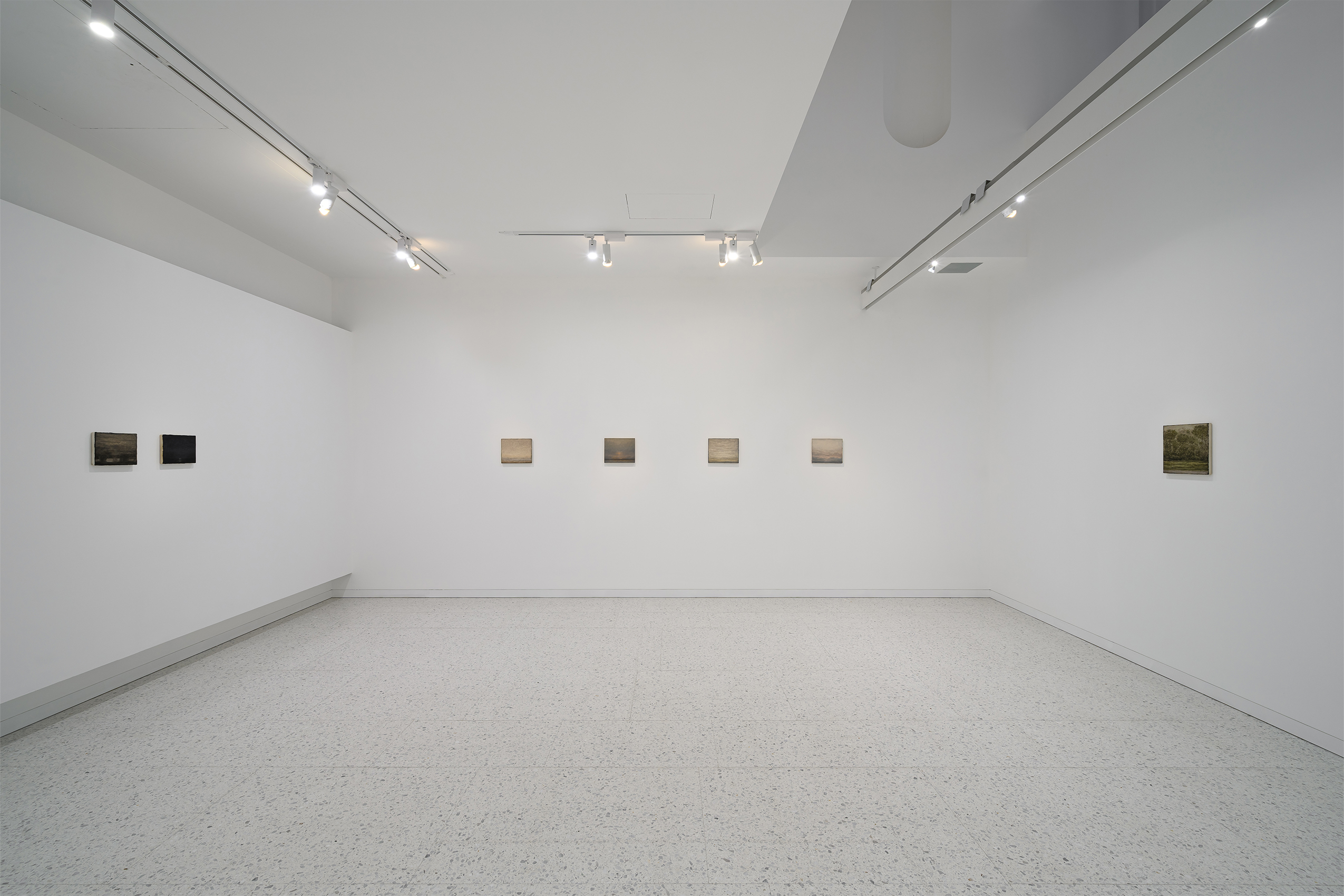
Brazilian painter Lucas Arruda is known for his intricate, meditative compositions that blur the boundaries between mnemonic and imaginative registers. His evocative landscapes are more a product of a state of mind than depictions of particular locales. As he has noted, “The only reason to call my works landscapes is cultural—it’s simply that viewers automatically register my format as a landscape, although none of the images can be traced to a geographic location. It's the idea of landscape as a structure, rather than a real place.”
This exhibition will focus on Lucas Arruda’s long-developed series Deserto-Modelos, of which the title echoes a phrase by the Brazilian poet João Cabral de Melo Neto. In Arruda’s interpretation, the “Models of Desert (Deserto-Modelos)” does not refer to any real place but to an imagined state of landscape which is closer to a projection of the artist’s inner condition. The desert symbolizes a state that is devoid of events and temporal markers. This near emptiness closely aligns with Arruda’s practice of repeatedly working with similar compositions and pursuing the same line of inquiry over a lengthy period of time.
%20%20Courtesy%20LCA%20Studio.%20Photo%20Nicolas%20Brasseur.jpg)
%20%20Courtesy%20LCA%20Studio.%20Photo%20Everton%20Ballardin.jpg)
%20%20Courtesy%20LCA%20Studio.%20Photo%20Everton%20Ballardin.jpg)